


What's Happening?
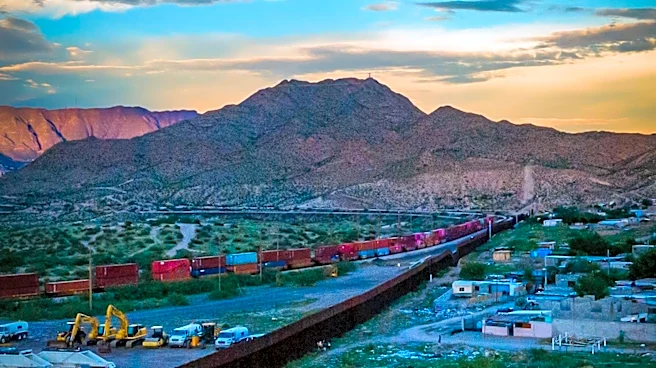
Congresswoman Adelita S. Grijalva and Congressman Raul Ruiz (CA-25), joined by Representatives Veronica Escobar (TX-16) and Juan Vargas (CA-52), have urged the Departments of Homeland Security (DHS) and the Interior (DOI) to immediately suspend construction
of secondary border walls. Their call comes in response to concerns about the federal government's failure to meaningfully consult with Tribal Nations regarding projects that impact sacred sites, cultural resources, and ancestral homelands. The lawmakers specifically cited the destruction of the Las Playas Intaglio, a sacred cultural resource and significant Indigenous site, as an example of the irreparable damage being caused. They emphasize the urgent need for the federal government to respect Tribal sovereignty and protect irreplaceable places like Quitobaquito Springs, which are also at risk.
Why It's Important?
This action highlights the ongoing conflict between border security initiatives and the protection of Indigenous cultural heritage and sovereign rights. The destruction of sacred sites and the lack of meaningful consultation with Tribal Nations represent a significant breach of trust and legal obligations. It underscores the broader issue of how federal projects impact Indigenous communities and their ancestral lands, often without adequate consideration for their cultural and spiritual significance. The lawmakers' concerns also extend to the financial implications, questioning the use of taxpayer dollars on border barriers when more effective and cost-conscious approaches to border security, such as modernizing and strengthening ports of entry, could be pursued. This situation brings to the forefront the need for a balanced approach that respects both national security and the rights and heritage of Indigenous peoples.
What's Next?
The letter from the Representatives calls for an immediate suspension of construction activities until meaningful government-to-government consultation has occurred with the Tohono O’odham Nation and Congress receives a full accounting of the project’s impacts. The Departments of Homeland Security and the Interior are expected to respond to this demand, which could lead to a review of current border wall construction practices and a re-evaluation of consultation processes with Tribal Nations. This could also prompt further legislative efforts to strengthen protections for Indigenous cultural sites and ensure proper consultation for federal projects on or near tribal lands. Advocacy groups and Tribal Nations will likely continue to press for the cessation of construction and for greater respect for their sovereignty and cultural resources.
Beyond the Headlines
This issue delves into the complex legal and ethical dimensions of federal land use and Indigenous rights. The concept of Tribal sovereignty, which grants Native American tribes the right to govern themselves, is central to this debate. The destruction of sacred sites not only represents a loss of cultural heritage but also inflicts deep spiritual and emotional harm on Indigenous communities. This situation could set precedents for how future infrastructure projects are planned and executed, potentially leading to more robust consultation requirements and environmental impact assessments that specifically address cultural resources. It also highlights the historical context of land dispossession and the ongoing struggle for Indigenous self-determination and the protection of their ancestral lands against federal encroachment.