



What's Happening?
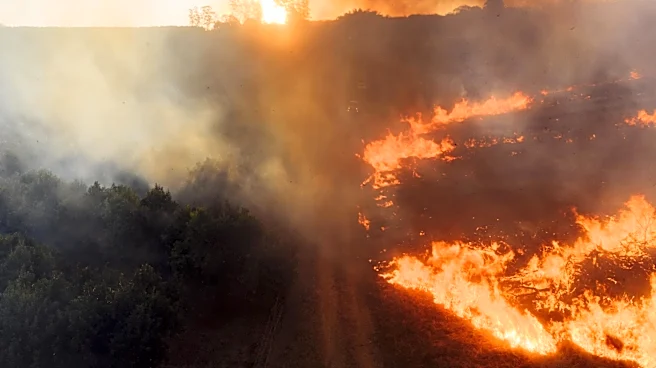
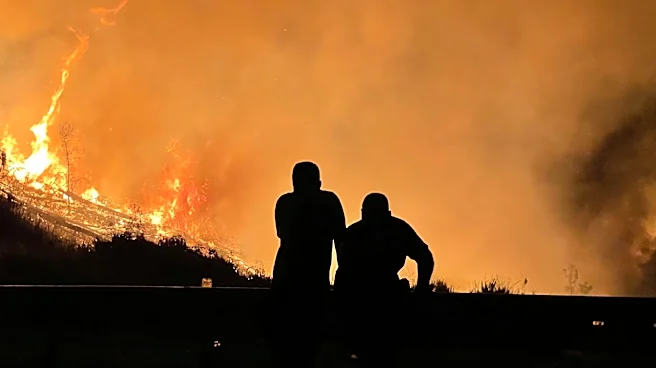
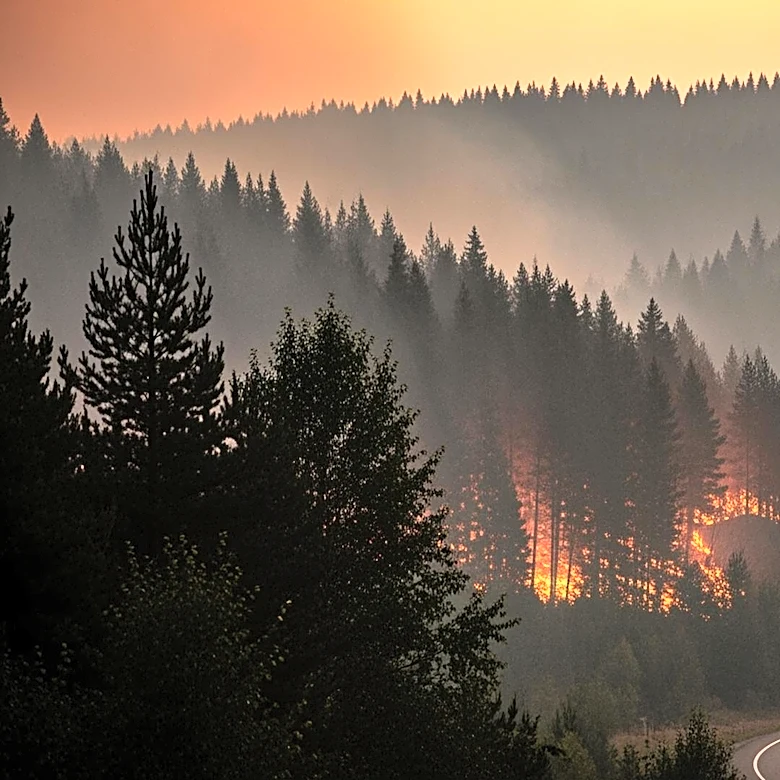
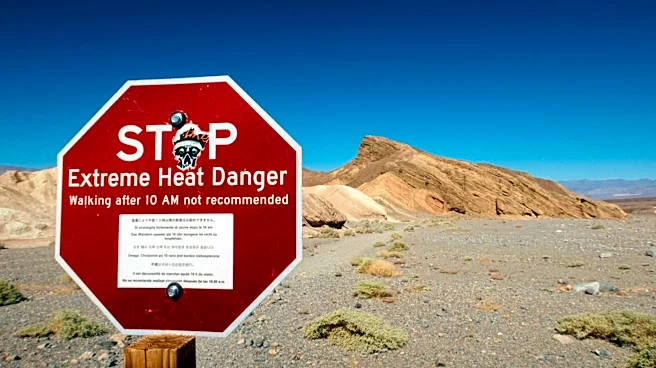
California and Arizona are experiencing extreme heat, with temperatures soaring into the 100s, leading to a significant risk of wildfires. The National Oceanic and Atmospheric Administration (NOAA) has issued warnings of above-normal wildland fire potential
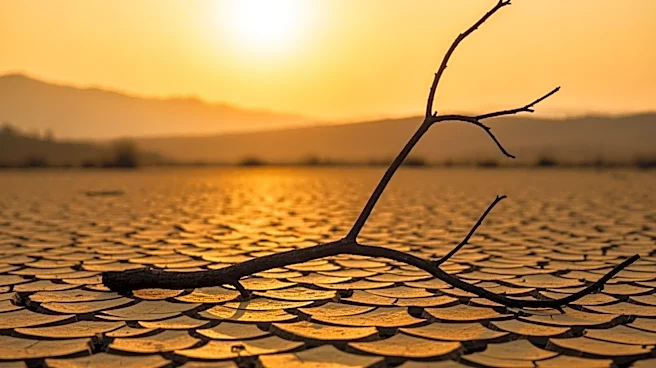
for May. Red flag warnings have been issued, advising residents to avoid outdoor burning due to the high risk of fire spread. The heat wave is part of a broader pattern affecting the Southwest and other regions, with drought conditions exacerbating the situation.
Why It's Important?
The extreme heat and elevated wildfire risk pose a threat to communities, ecosystems, and firefighting resources. Wildfires can lead to loss of life, property damage, and environmental degradation. The situation underscores the challenges posed by climate change, as rising temperatures and drought conditions increase the frequency and intensity of wildfires. This has significant implications for public safety, resource management, and environmental conservation.
What's Next?
As the heat wave continues, authorities will monitor conditions closely and may implement additional fire prevention measures. The National Interagency Fire Center's outlook suggests that the risk of significant wildfires will persist into the summer, particularly in Northern California. Communities and firefighting agencies will need to remain vigilant and prepared to respond to potential fire outbreaks.