
What's Happening?
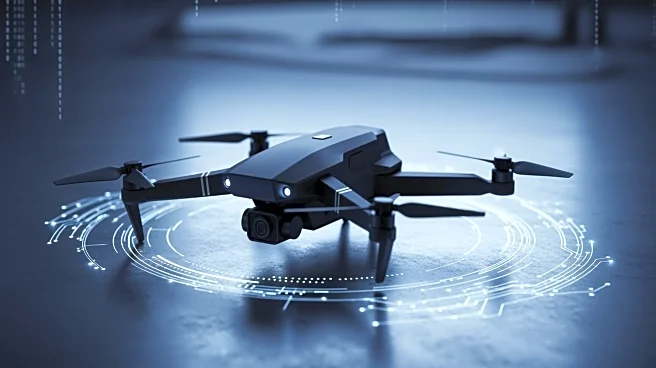
In December 2011, the Central Intelligence Agency (CIA) lost control of a stealth drone near Kashmar, Iran, which was subsequently displayed by the Iranian military as a trophy. This incident raised questions
about whether the drone, a Lockheed Martin RQ-170 Sentinel, had simply malfunctioned or if it had been commandeered by Iranian hackers. The event highlighted the growing capabilities of Iran's cyber forces, which had already been a concern for U.S. officials. The situation became more complex with the involvement of Mohammad Hossein Tajik, an Iranian intelligence officer who claimed to have been a CIA asset. Tajik's communications with a journalist revealed his discontent with the Iranian regime and his desire to leak sensitive information as a form of revenge. His story, however, ended tragically when he was found dead under suspicious circumstances, raising further questions about espionage and counterintelligence operations in Iran.
Why It's Important?
The loss of the CIA's stealth drone and the subsequent events underscore the vulnerabilities in U.S. intelligence operations and the increasing sophistication of cyber threats from state actors like Iran. This incident not only exposed potential weaknesses in U.S. military technology but also highlighted the complex geopolitical dynamics involving espionage and counterintelligence. The involvement of a double agent like Tajik illustrates the high-stakes nature of intelligence work and the potential for significant repercussions when operations are compromised. For the U.S., maintaining technological and intelligence superiority is crucial for national security, and incidents like this serve as a reminder of the ongoing cyber warfare challenges.
What's Next?
The CIA and other U.S. intelligence agencies are likely to continue enhancing their cybersecurity measures to prevent similar incidents in the future. This may involve developing more secure communication systems and improving the vetting processes for assets and informants. Additionally, the U.S. may increase its focus on counterintelligence efforts to better detect and neutralize threats from foreign intelligence services. The broader implications for U.S.-Iran relations remain uncertain, but the incident could lead to increased tensions and a reevaluation of intelligence strategies in the region.