




What's Happening?
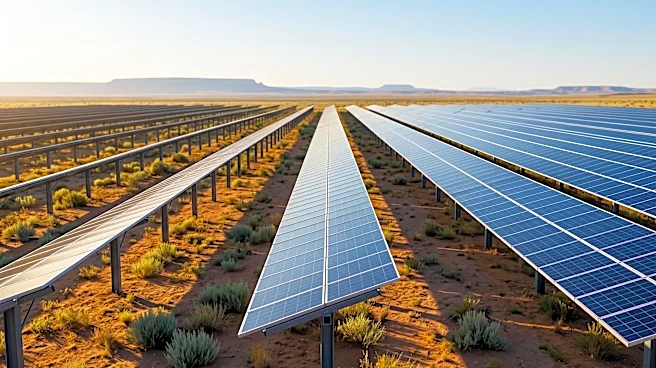
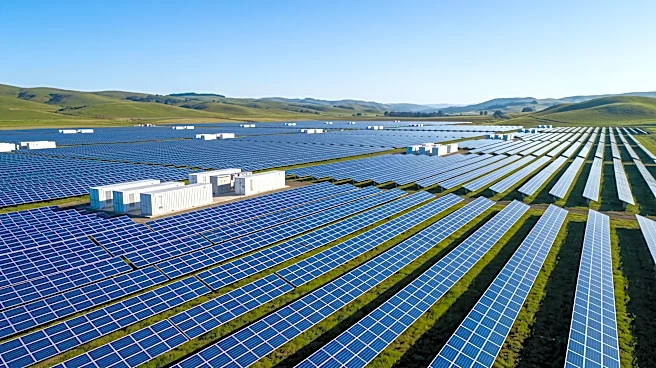
U.S. Rep. Steven Horsford (D-Nev) praised the Moapa Band of Paiutes and Arevon Energy, Inc. for celebrating 10 years of successful solar operations at the Moapa Solar Project. Located in northeastern Clark County, the 344-megawatt facility, which began
commercial operations in 2016, was one of the first utility-scale solar installations developed on tribal land in the United States. The anniversary event highlighted the project's environmental and economic contributions over the past decade, including supplying electricity to over 53,000 homes annually and avoiding more than 325,000 metric tons of carbon dioxide emissions each year. Rep. Horsford emphasized Nevada's leadership in clean, sustainable energy and the effectiveness of partnerships between local governance and industry experts in achieving lasting environmental and economic benefits.
Why It's Important?
The Moapa Solar Project serves as a significant model for renewable energy development, particularly on tribal lands, demonstrating how such initiatives can yield substantial environmental and economic benefits. Its decade of successful operation underscores the viability and positive impact of large-scale solar energy in the U.S., contributing to national goals for clean energy and reduced carbon emissions. For the Moapa Band of Paiutes, the project has provided a steady source of revenue through lease and landowner payments, fostering economic self-sufficiency and establishing the tribe as a pioneer in the commercial solar industry. This success story highlights the potential for similar partnerships across the country, offering a blueprint for sustainable development that respects tribal sovereignty while advancing renewable energy infrastructure.
What's Next?
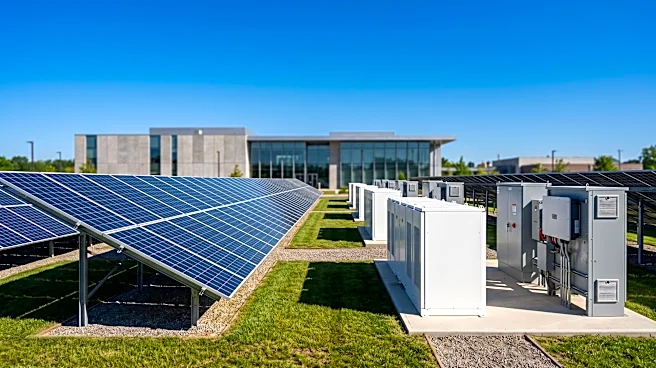
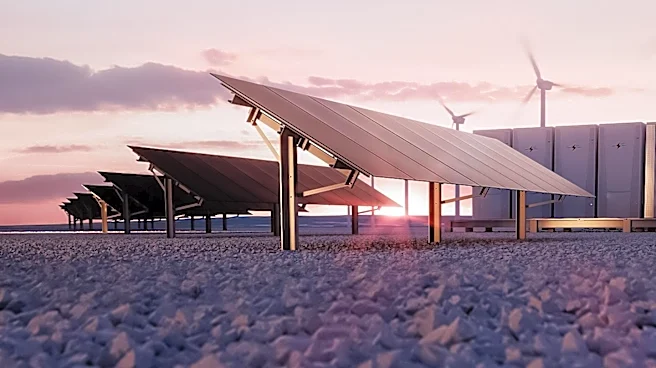
Building on the success of the initial Moapa Solar facility, Arevon Energy is actively developing three additional energy projects on the Moapa River Indian Reservation. These expansions aim to significantly increase solar capacity and introduce large-scale battery storage to the regional grid. The planned projects include the Moapa Energy Project, adding 250 megawatts and 1,000 megawatt-hours of battery storage by 2029; the Eagle Shadow Mountain Energy Project, adding a 300-megawatt and 1,200-megawatt-hour battery storage system by 2028; and the Yahthumb Energy Project, a combined solar-plus-storage installation with 316 megawatts of solar and 250 megawatts/1,000 megawatt-hours of battery storage expected by 2031. These developments signify a continued commitment to renewable energy and further solidify the partnership between Arevon and the Moapa Band of Paiutes, promising enhanced energy reliability and economic growth for the region.
Beyond the Headlines
The Moapa Solar Project's long-term success and planned expansions illustrate a broader shift towards decentralized and community-involved renewable energy initiatives. This model not only contributes to environmental sustainability but also empowers indigenous communities through economic development and self-determination. The integration of battery storage in the upcoming projects is particularly noteworthy, addressing a key challenge in renewable energy by ensuring grid stability and reliability. This approach could inspire other tribal nations and rural communities to leverage their land and resources for clean energy production, fostering local economic growth while contributing to national energy independence. The project also highlights the importance of long-term vision and collaboration between private industry and local governments in achieving sustainable development goals.