




What's Happening?
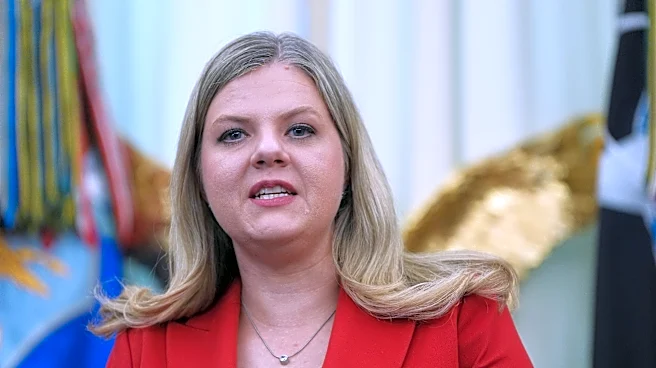
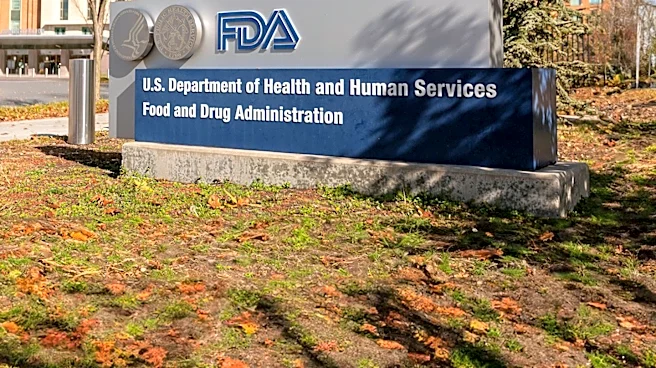
Dr. Heidi Overton, a 37-year-old physician and deputy assistant to the president on the White House Domestic Policy Council, has been nominated to lead the Food and Drug Administration (FDA). Overton previously advocated for restricting access to abortion
medication and has described the overturning of Roe v. Wade as a "huge victory for life." Her policy work within the Trump administration has included coordinating revised federal nutrition guidelines, managing interagency discussions on reclassifying marijuana, and overseeing a revised childhood vaccination schedule. White House Chief of Staff Susie Wiles defended Overton's approach, stating that the Domestic Policy Council ensures policies are "correct, legally durable, done with policy consistency, and, in this case, medically sound." Overton joined the Trump administration in 2019 during her residency to assist with the national COVID-19 response and later returned to the White House for President Trump's second term after a period at the America First Policy Institute.
Why It's Important?
Overton's nomination to lead the FDA is significant due to her past policy stances and her role in shaping health initiatives within the Trump administration. Her views on abortion medication and reproductive rights could influence the agency's regulatory decisions regarding women's health. Her involvement in revising federal nutrition guidelines and managing debates on marijuana reclassification indicates a potential shift in public health policy under her leadership. The FDA, as the federal regulatory body for pharmaceuticals, medical devices, and food safety, plays a crucial role in public health. Her appointment could lead to changes in drug approval standards, gray-market peptide regulation, and federal nutrition policies, impacting various industries and public health outcomes across the U.S. The defense of her actions by White House Chief of Staff Susie Wiles highlights the administration's confidence in her approach to policy development and implementation.
What's Next?
If confirmed by the Senate, Dr. Heidi Overton will assume control of the FDA, placing her at the forefront of ongoing debates concerning drug approval standards, gray-market peptide regulation, and federal nutrition policies. Her confirmation process is likely to involve scrutiny from senators regarding her past policy positions, particularly those related to reproductive rights and the safety of abortion medication. Advocacy groups and stakeholders on both sides of these issues are expected to closely monitor and engage with the confirmation hearings. Her leadership could lead to new directives and enforcement priorities within the FDA, potentially altering the landscape for pharmaceutical companies, medical device manufacturers, and the food industry. The administration's continued support, as voiced by White House Chief of Staff Susie Wiles, suggests a clear policy direction that Overton is expected to implement.
Beyond the Headlines
Dr. Overton's nomination extends beyond immediate policy changes, touching upon deeper implications for the intersection of politics, science, and public health. Her background and stated views raise questions about the balance between scientific evidence and political ideology in regulatory decision-making at a critical federal agency. The controversy surrounding her revisions to an executive order on psychedelic therapies, which drew criticism from some advocates, underscores the potential for tension between presidential intent and bureaucratic processes. Her appointment could set a precedent for future FDA leadership, potentially influencing the agency's independence and its role in addressing complex public health challenges. The emphasis on ensuring policies are "legally durable" and "medically sound," as stated by White House Chief of Staff Susie Wiles, highlights the administration's focus on the legal and scientific robustness of its health initiatives.