





What's Happening?
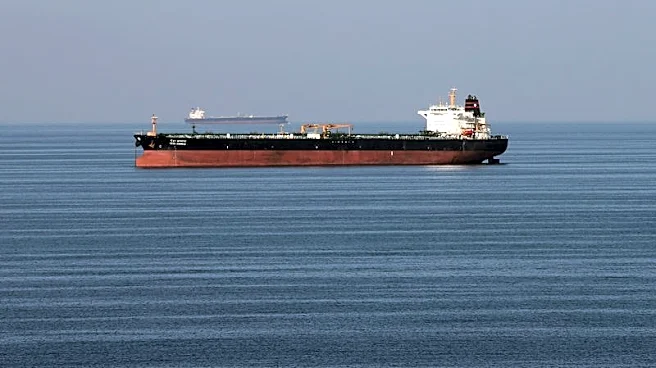
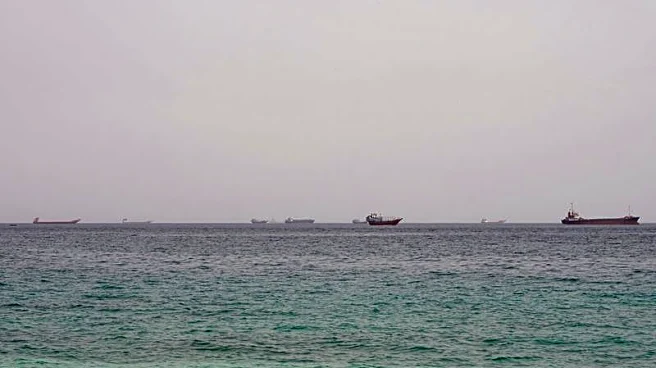
Pakistan's power generation costs rose by 38% in July compared to the previous year, driven by record-high spot liquefied natural gas (LNG) prices. This surge is attributed to supply disruptions from the Middle East, specifically the renewed closure of
the Strait of Hormuz and issues with regular shipments from Qatar, forcing Pakistan to procure LNG on the more expensive spot market. The country's reliance on a higher mix of re-gasified LNG (RLNG) and furnace oil, coupled with elevated oil prices, further contributed to the increased costs. Electricity generation also saw a 7% increase in July, reaching the second-highest level for any July month, with significant contributions from hydroelectric, local coal, and imported coal generation. Pakistan has been issuing multiple tenders for July and August delivery, indicating a willingness to pay premium prices to secure necessary supply. For instance, Pakistan LNG Limited accepted an offer for a spot cargo at $21.88 per million British thermal units (MMBtu) for July delivery, marking the highest price paid since the Iran war began.
Why It's Important?
This situation highlights the significant vulnerability of nations heavily reliant on imported energy to geopolitical events and supply chain disruptions. For the U.S., while not directly importing LNG from Pakistan, the global increase in spot LNG prices due to Middle East instability can indirectly affect energy markets. Higher global LNG prices could lead to increased demand for U.S. LNG exports, potentially benefiting American producers but also influencing domestic gas prices. The reliance on expensive spot purchases by countries like Pakistan underscores the broader economic impact of regional conflicts, as it diverts funds that could be used for other developmental projects and places a burden on consumers through higher electricity costs. This scenario also emphasizes the strategic importance of energy security and diversification of supply sources for countries worldwide, including the U.S., which aims to maintain stable energy markets globally.
What's Next?
Pakistan is expected to continue seeking LNG on the spot market as long as supply disruptions from the Middle East persist, which could maintain upward pressure on global LNG prices. The country's willingness to pay high prices for spot cargoes suggests an ongoing need to meet its energy demands, potentially leading to further tenders and continued high generation costs. The long-term implications could include a re-evaluation of Pakistan's energy procurement strategies, possibly exploring more diversified and secure long-term contracts or investing in domestic energy sources. The ongoing geopolitical tensions in the Middle East, particularly concerning the Strait of Hormuz, will remain a critical factor influencing LNG availability and pricing. International energy markets will closely monitor these developments, as sustained high spot prices could impact energy policies and investment decisions globally.
Beyond the Headlines
The escalating energy costs in Pakistan due to geopolitical instability in the Middle East reveal a deeper ethical and economic challenge for global energy governance. The reliance on spot markets, while offering flexibility, exposes nations to extreme price volatility, disproportionately affecting developing economies. This situation underscores the need for international cooperation in ensuring stable energy supplies and mitigating the impact of regional conflicts on global markets. It also brings to light the environmental implications, as countries facing energy shortages might resort to cheaper, more polluting energy sources if LNG becomes prohibitively expensive. The long-term shift towards renewable energy sources could gain momentum as a strategic imperative for energy security, reducing dependence on volatile fossil fuel markets and contributing to global climate goals. The incident also highlights the complex interplay between energy, economics, and international relations, where regional conflicts have far-reaching global consequences.