



What's Happening?
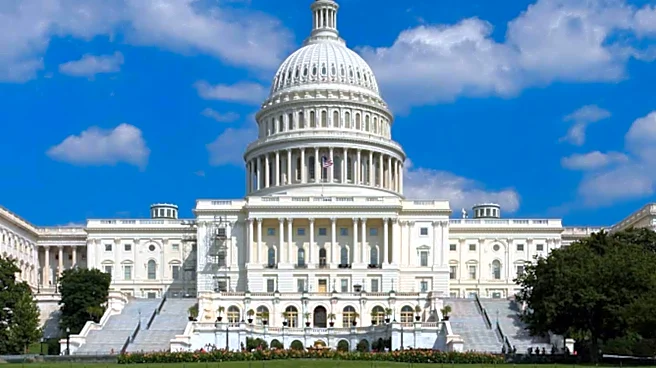
Congresswoman LaMonica McIver has introduced the “Ensuring SBA Implementation of GAO Recommendations Act of 2026.” This proposed legislation aims to direct the Small Business Administration’s (SBA) veteran business office to establish clear procedures
for reporting on veteran-owned small businesses. The bill's stated goal is to mandate the SBA to report on methods to improve veteran-owned businesses' access to federal contracting opportunities and SBA programs. It also addresses a finding by the Government Accountability Office (GAO) that indicated the SBA had previously lacked proper procedures for its annual reporting requirements. This initiative seeks to create more transparency and accountability within the SBA's efforts to support veteran entrepreneurs.
Why It's Important?
This bill is important because it targets a critical area of support for U.S. veterans transitioning into entrepreneurship. Veteran-owned small businesses contribute significantly to the national economy, and ensuring their access to federal contracts and SBA resources is vital for their growth and success. The GAO's finding of inadequate reporting procedures highlights a potential systemic issue that could hinder effective program delivery and oversight. By requiring the SBA to establish clear reporting mechanisms, the bill aims to improve the agency's ability to identify gaps, measure impact, and ultimately enhance the support provided to veteran entrepreneurs. This could lead to increased federal contracting opportunities for these businesses, fostering economic stability and job creation within the veteran community and beyond.
What's Next?
The “Ensuring SBA Implementation of GAO Recommendations Act of 2026” will now proceed through the legislative process. It will likely undergo committee review, potentially be debated, and voted upon in Congress. If passed, the SBA would be mandated to develop and implement the specified reporting procedures, which would then be subject to ongoing oversight. The outcome of this bill could influence future legislative efforts aimed at improving government agency accountability and support for specific business demographics. Stakeholders, including veteran advocacy groups and small business associations, will likely monitor its progress closely, advocating for its passage and effective implementation.
Beyond the Headlines
Beyond its immediate impact on veteran-owned businesses, this legislation touches upon broader themes of government transparency and accountability. The emphasis on clear reporting procedures reflects a growing demand for data-driven governance, where the effectiveness of federal programs can be accurately assessed. It also underscores the ongoing challenge of ensuring that government agencies are responsive to the needs of specific populations, particularly those who have served the nation. The bill could set a precedent for how other federal agencies are required to report on their outreach and support efforts for various underserved communities, potentially leading to more equitable access to resources across different sectors.