






What's Happening?
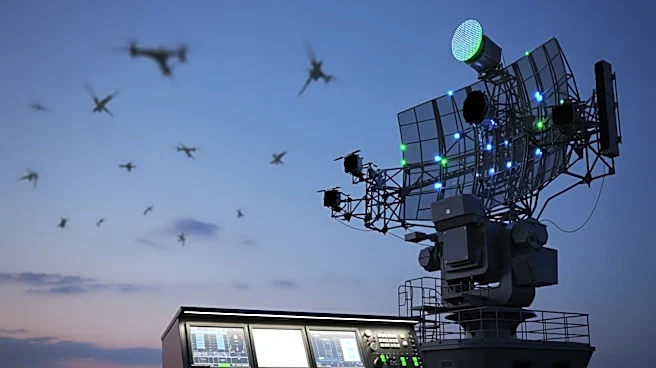
The Pentagon and FAA have signed an agreement to deploy a high-energy laser counter-drone system along the U.S.-Mexico border. This follows FAA testing in New Mexico, ensuring safety controls are in place. The system aims to address over 1,000 monthly
drone incursions, often linked to Mexican cartels. Previous incidents, including the accidental downing of a government drone, led to temporary flight restrictions. The FAA has now determined the system poses no increased risk to public safety. The deployment reflects growing concerns over drones used for drug trafficking and surveillance.
Why It's Important?
The deployment of anti-drone technology at the U.S.-Mexico border highlights the increasing use of drones in illegal activities, such as drug trafficking. This agreement represents a significant step in border security and the use of advanced technology to combat these threats. The decision underscores the challenges faced by U.S. authorities in managing airspace security and the need for coordinated efforts between military and civilian agencies. The move could set a precedent for future deployments of similar technologies in other sensitive areas.
What's Next?
The successful deployment of the laser system could lead to expanded use along other parts of the border or in different regions facing similar threats. Ongoing monitoring and assessment will be crucial to ensure the system's effectiveness and safety. The FAA and Pentagon may need to address any public or political concerns regarding privacy and airspace management. Further technological advancements could enhance the system's capabilities, potentially influencing future border security strategies.