


What's Happening?
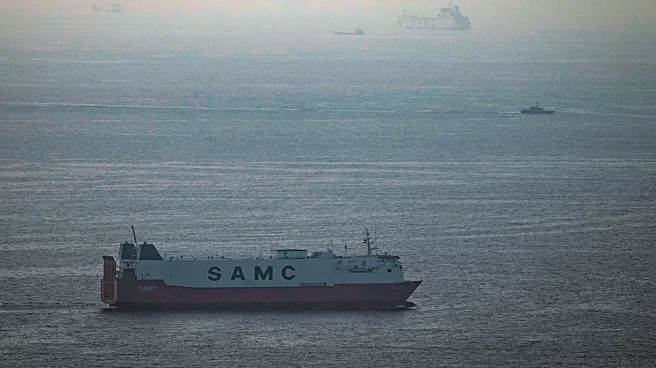
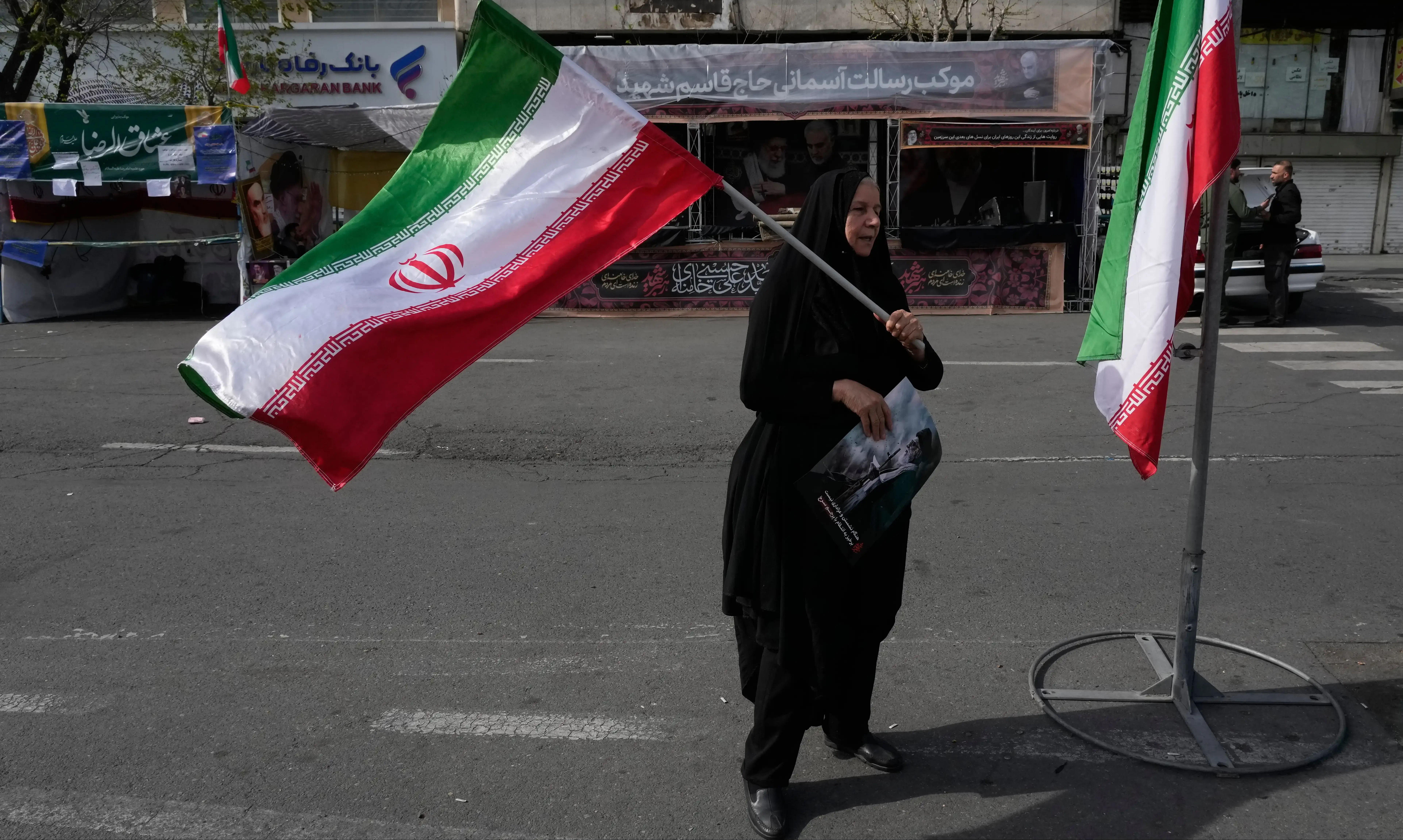
In response to rising oil prices due to the Middle East conflict, the U.S. has issued a general license allowing the sale of Iranian oil and petrochemical products already loaded onto tankers. This measure aims to alleviate the fuel supply crunch caused
by the war, particularly the disruption of shipments through the Strait of Hormuz. The waiver permits purchases through April 19, potentially expanding the market for Iranian oil beyond its primary Chinese buyers. However, challenges remain due to existing restrictions on Iran's access to international financial markets.
Why It's Important?
The decision to allow the sale of Iranian oil reflects the U.S. government's efforts to stabilize fuel prices and mitigate inflationary pressures on American consumers. The move is significant as it highlights the complex interplay between geopolitical conflicts and domestic economic policies. The waiver could provide temporary relief to fuel markets, but it also raises questions about the long-term implications for U.S.-Iran relations and the global oil market. The situation underscores the strategic importance of the Strait of Hormuz and the potential impact of regional conflicts on global energy security.
What's Next?
The U.S. administration may continue to explore additional measures to address fuel price volatility, including further strategic reserve releases or diplomatic efforts to stabilize the region. The outcome of the waiver and its impact on oil prices will be closely monitored by policymakers and industry stakeholders. The situation may also influence upcoming political debates, particularly regarding energy independence and foreign policy. As the conflict evolves, further developments could shape the global energy landscape and U.S. economic priorities.