







What's Happening?
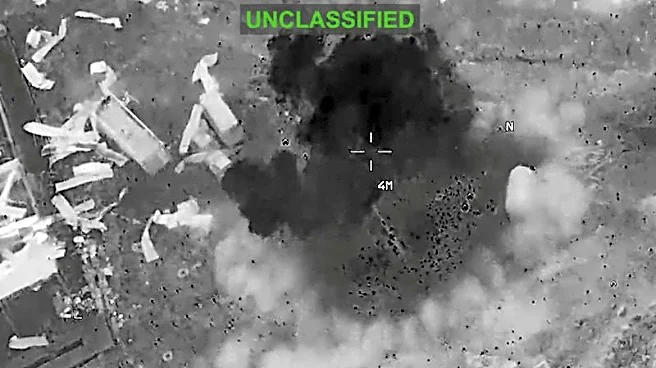
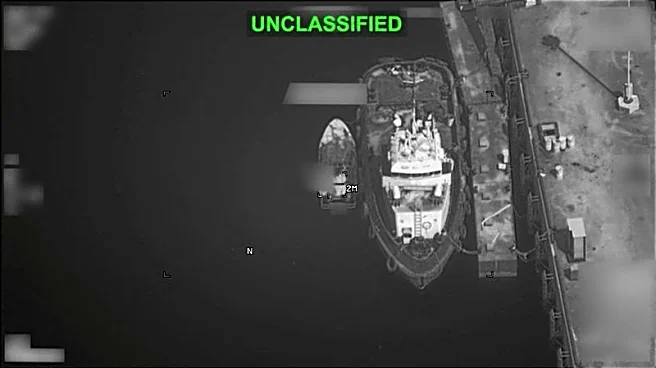
Brent oil prices have surged past $100 per barrel following attacks on Saudi oil tankers in the Red Sea by the Houthi militant group. The Houthis, backed by Iran, have declared a blockade on Saudi vessels, escalating tensions in the region. This development
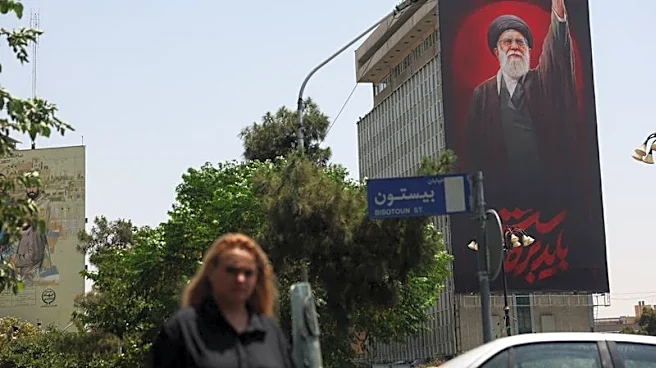
threatens the Red Sea as a critical alternative route for oil exports, as the Strait of Hormuz remains a conflict zone. The attacks have raised concerns about further disruptions in global oil supply, contributing to market volatility. The situation is part of the broader US-Iran conflict, with President Trump holding Iran responsible for the Houthi actions.
Why It's Important?
The rise in oil prices due to the Red Sea attacks highlights the vulnerability of global energy markets to geopolitical conflicts. The disruption of a major oil transit route could lead to increased energy costs, affecting global economies and consumer prices. The situation underscores the strategic importance of the Red Sea and the need for secure and stable energy supply routes. The conflict also reflects the broader geopolitical tensions in the Middle East, with potential implications for international relations and energy policies. The economic impact could be significant, influencing market stability and energy security worldwide.
What's Next?
The international community may seek diplomatic solutions to de-escalate tensions and secure oil transit routes. Saudi Arabia and its allies might consider military responses to protect their interests, risking further conflict escalation. The situation could prompt discussions on energy diversification and the development of alternative routes and sources. The outcome of these efforts will be crucial in determining the stability of global oil markets and the broader geopolitical landscape. Monitoring the situation closely will be essential for stakeholders in the energy sector and international relations.