






What's Happening?
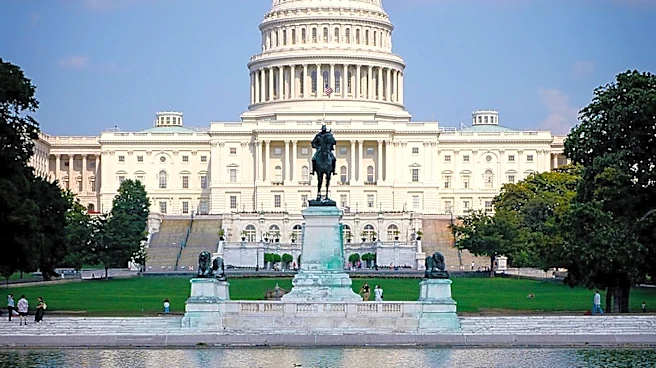
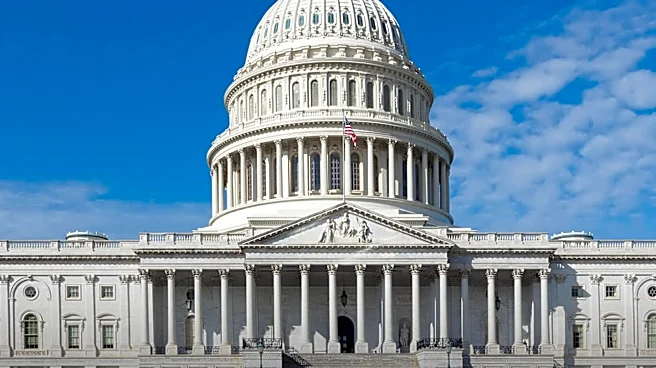
Barbara Karakyriakou, a PhD candidate in Cancer Biology at Dartmouth’s Geisel School of Medicine, participated in the AACR Early-Career Hill Day in Washington, D.C. This annual event, hosted by the American Association for Cancer Research (AACR), brings
together early-career scientists to advocate for continued federal funding for cancer research through the National Institutes of Health and the National Cancer Institute. During her visit, Karakyriakou met with members of Congress, including U.S. Senator Jeanne Shaheen of New Hampshire. Karakyriakou highlighted her research on cell-type-specific DNA methylation alterations in the tumor microenvironment, which aims to uncover mechanisms of tumor progression and identify new therapeutic opportunities. Her recent findings, published in Communications Biology, indicate that endothelial cells undergo distinct epigenetic alterations in breast cancer tissue, suggesting potential biomarkers for disease detection, prognosis, and future therapeutic strategies.
Why It's Important?
Sustained federal investment in cancer research is crucial for advancing scientific understanding, developing new treatments, and ultimately improving patient outcomes. The work of researchers like Barbara Karakyriakou contributes to a deeper understanding of complex diseases like cancer, potentially leading to breakthroughs in early detection and personalized therapies. Advocating directly to members of Congress, as Karakyriakou did, ensures that policymakers are aware of the critical need for funding and the tangible progress being made in research. This direct engagement helps secure the financial resources necessary for ongoing studies, clinical trials, and the training of future scientists. The focus on epigenetics and cell-specific approaches in cancer research represents a cutting-edge area with the potential to revolutionize cancer treatment by targeting specific biological mechanisms.
What's Next?
Continued advocacy efforts by organizations like the AACR and individual researchers will be essential to maintain and increase federal funding for cancer research. The insights gained from studies like Karakyriakou's will continue to inform the development of new diagnostic tools and therapeutic interventions. Future research will likely build upon these findings to further explore the role of epigenetic alterations in various cancers and translate these discoveries into clinical applications. The ongoing dialogue between the scientific community and policymakers is vital to ensure that scientific advancements are supported and that the U.S. remains at the forefront of medical innovation. The focus on specific cellular changes in cancer also points towards the potential for more targeted and effective treatments in the future.
Beyond the Headlines
The advocacy for cancer research funding touches upon broader societal implications, including public health, economic impact, and ethical considerations in scientific discovery. Adequate funding not only accelerates the pace of research but also supports a robust scientific workforce and infrastructure. The emphasis on understanding the tumor microenvironment and epigenetic changes highlights a shift towards more nuanced and personalized approaches to cancer treatment, moving beyond one-size-fits-all therapies. This also raises ethical questions about data privacy and the equitable distribution of advanced medical treatments. Ultimately, the sustained investment in cancer research is an investment in the health and well-being of the nation, with the potential to alleviate suffering and extend lives.