



What's Happening?
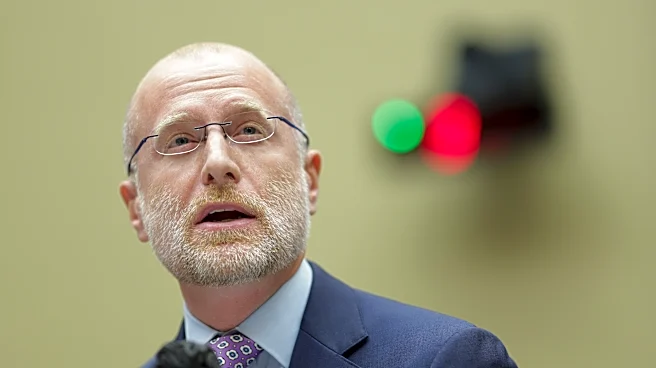
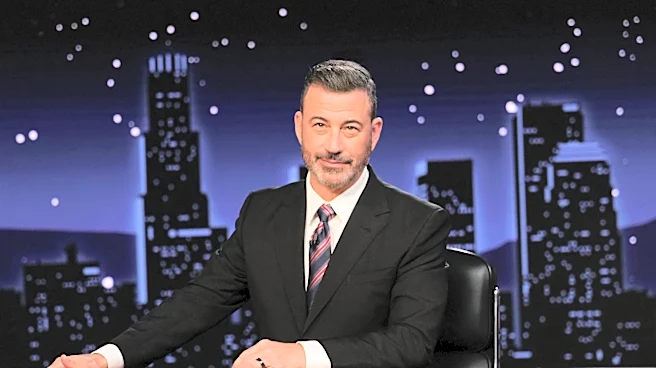
ABC and its parent company, The Walt Disney Company, have filed a federal lawsuit against the Federal Communications Commission (FCC), alleging that the Trump administration violated their First Amendment rights. The lawsuit claims that the FCC's demand
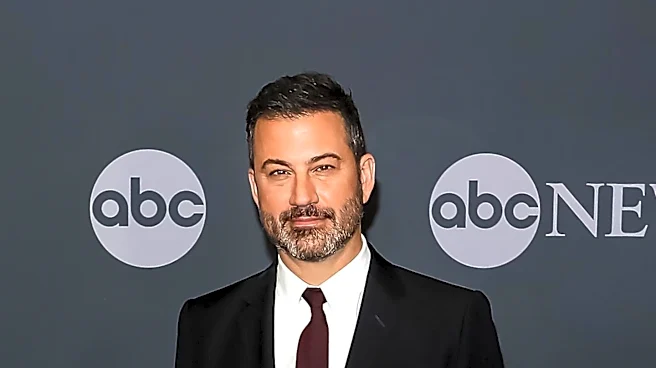
for an early review of eight ABC-owned station broadcast licenses constitutes an "existential threat" to the network and is a retaliatory measure. This action by the FCC, led by Chairman Brendan Carr, followed comments made by ABC's late-night host Jimmy Kimmel, an outspoken critic of President Trump, which reportedly angered the administration. The FCC cited the network's diversity and inclusion practices as a reason for the early review, a move considered rare as licenses are typically issued for eight-year periods. The lawsuit argues that the administration's attacks on ABC's speech have escalated into explicit demands for the network to be stripped of its licenses.
Why It's Important?
This lawsuit is a critical development in the ongoing debate about media freedom and government oversight in the United States. It directly challenges the FCC's authority and actions, raising serious questions about whether regulatory powers are being used to suppress dissenting voices or punish media outlets for unfavorable coverage. If ABC's claims are substantiated, it could set a dangerous precedent, signaling to other broadcasters that critical reporting or comedic commentary could lead to government retaliation, including the threat of license revocation. This would have a chilling effect on free speech and journalistic independence, potentially leading to self-censorship across the media landscape. The case underscores the importance of an independent press in a democratic society and the need for clear boundaries between government and media. The outcome will significantly impact the future of broadcast regulation and the protection of First Amendment rights for media organizations.
What's Next?
ABC and Disney are seeking an immediate injunction from the federal court to prevent the FCC from proceeding with the early license renewal applications. The legal process is expected to be complex and potentially lengthy, with both sides presenting arguments regarding the FCC's regulatory authority and the constitutional protection of free speech. FCC Chairman Brendan Carr has defended the agency's actions, stating that broadcasters have a legal obligation to operate in the public interest. The sole Democrat on the FCC, Anna Gomez, has publicly supported ABC's lawsuit, calling it a necessary pushback against government intimidation. The court's decision will have far-reaching implications for how the FCC conducts its oversight and how media companies navigate their relationship with political administrations. This case could also lead to increased public and congressional scrutiny of the FCC's practices and the broader issue of media regulation.
Beyond the Headlines
Beyond the immediate legal and political ramifications, this lawsuit highlights deeper societal concerns about the weaponization of regulatory bodies and the erosion of trust in institutions. The allegation that the FCC's actions are politically motivated, rather than based on legitimate regulatory concerns, speaks to a broader trend of increasing polarization and distrust in public discourse. The case also brings to the forefront the role of late-night comedy and satire in political commentary, and whether such forms of expression should be subject to government scrutiny or retaliation. Ethically, it raises questions about the responsibilities of government officials to uphold the principles of free speech and avoid actions that could be perceived as censorship. Culturally, the outcome of this lawsuit could influence public perception of media independence and the extent to which citizens can expect unbiased information from broadcast outlets, further shaping the landscape of American media and political engagement.