







What's Happening?
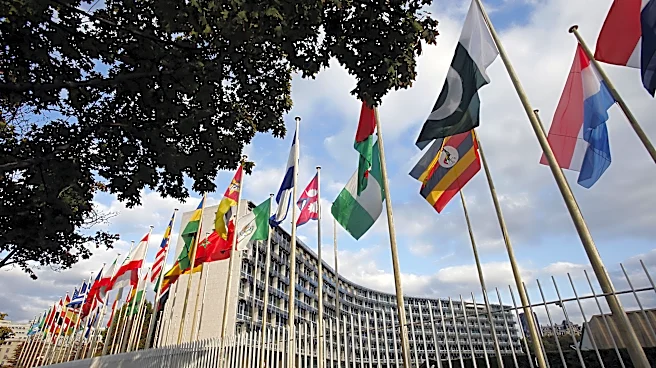
The United Nations Educational, Scientific and Cultural Organization (UNESCO) is actively promoting responsible science and ethical governance through its Global Ethics Programme. This initiative aims to increase awareness of UNESCO's normative instruments,
such as the Universal Declaration on Bioethics and Human Rights (2005), and foster dialogue on ethical issues arising from advancements in science and technology. UNESCO supports member states in strengthening bioethics governance by assisting with national bioethics committees, ethics education, institutional capacity-building, and international cooperation. A webinar series on Science, Ethics, and Innovation, organized under the International Decade of Sciences for Sustainable Development (2024–2033), serves as a key platform for these efforts. The inaugural session of this series focuses on advancing science diplomacy and South-South cooperation, bringing together policymakers, researchers, universities, and scientific institutions to exchange knowledge and strengthen partnerships in bioethics.
Why It's Important?
UNESCO's efforts in bioethics are crucial for ensuring that scientific progress aligns with human dignity, human rights, and fundamental freedoms. As science, technology, and innovation continue to advance, particularly in biology, medicine, and life sciences, complex ethical, legal, and societal challenges emerge. The promotion of responsible science and ethical governance helps to mitigate potential negative impacts and ensures that new discoveries benefit humanity equitably. By strengthening bioethics frameworks and fostering international cooperation, UNESCO contributes to the development of more inclusive, ethical, and resilient science systems globally. This work is vital for guiding research and application in sensitive areas like genetic engineering, artificial intelligence in healthcare, and data privacy, ensuring that ethical considerations are integrated from the outset.
What's Next?
The webinar series on Science, Ethics, and Innovation is expected to continue, providing ongoing platforms for dialogue and knowledge exchange. Future sessions will likely delve deeper into specific emerging ethical issues in life sciences and explore regional cooperation strategies. UNESCO will continue to support member states in establishing and strengthening national bioethics committees and integrating ethics education into scientific curricula. The organization also aims to identify opportunities for joint initiatives and capacity development programs. These ongoing efforts will further solidify UNESCO's global bioethics framework and promote its implementation, fostering a more ethically conscious scientific community and policy landscape worldwide.
Beyond the Headlines
The broader implications of UNESCO's bioethics initiatives extend to shaping global norms and standards for scientific conduct. By emphasizing human rights and dignity in scientific research and application, UNESCO helps to prevent potential abuses and promotes a more human-centered approach to technological advancement. This work also highlights the importance of interdisciplinary collaboration, bringing together scientists, ethicists, policymakers, and civil society to address complex moral dilemmas. The focus on South-South cooperation in bioethics can also empower developing nations to establish robust ethical oversight mechanisms, ensuring that scientific progress is equitable and accessible across all regions, thereby reducing ethical disparities in global scientific endeavors.