



What's Happening?
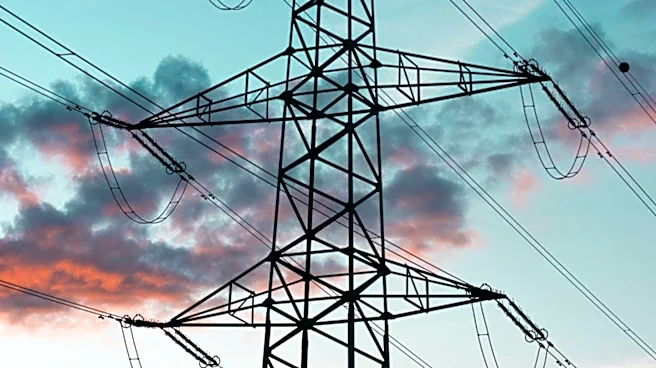
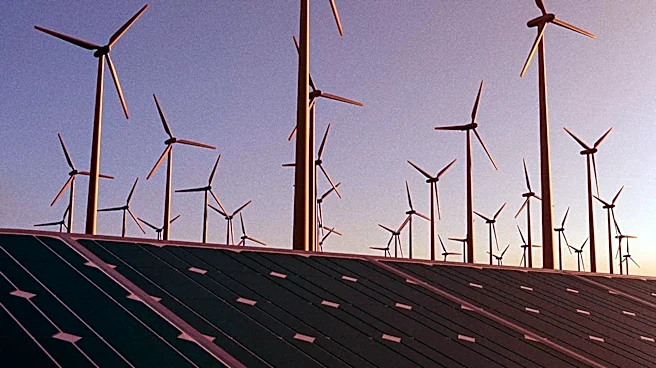
Southeast Asia is experiencing a surge in renewable energy projects, driven by the need to reduce dependency on imported fossil fuels. However, the region's aging and overburdened electricity grids are hindering the development of new renewable energy projects.
The closure of the Strait of Hormuz has exacerbated energy supply issues, prompting countries like the Philippines to declare national energy emergencies. Despite the push for renewables, inadequate grid infrastructure and regulatory challenges are deterring investment and causing project delays.
Why It's Important?
The transition to renewable energy is crucial for Southeast Asia to achieve energy security and reduce carbon emissions. However, the current grid infrastructure is not equipped to handle the increased capacity from renewable sources, posing a significant barrier to progress. The situation highlights the need for substantial investment in grid modernization and regulatory reforms to facilitate the energy transition. Failure to address these issues could stall the region's efforts to become more energy-independent and environmentally sustainable.
What's Next?
To overcome these challenges, Southeast Asian countries need to prioritize grid expansion and modernization. This includes addressing regulatory barriers, improving power purchase agreements, and encouraging private sector involvement. International cooperation and investment may also play a role in supporting the region's energy transition. The success of these efforts will determine the pace and effectiveness of Southeast Asia's shift towards renewable energy.