




What's Happening?
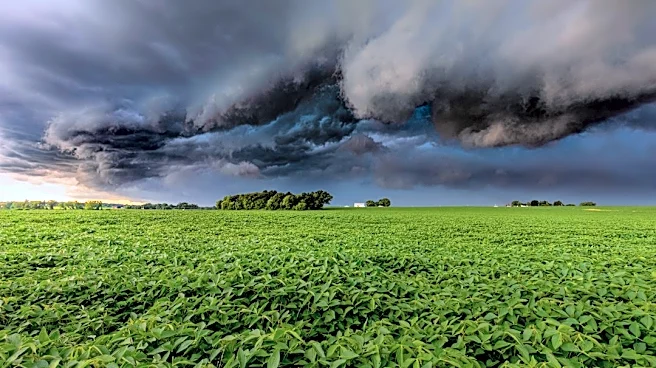
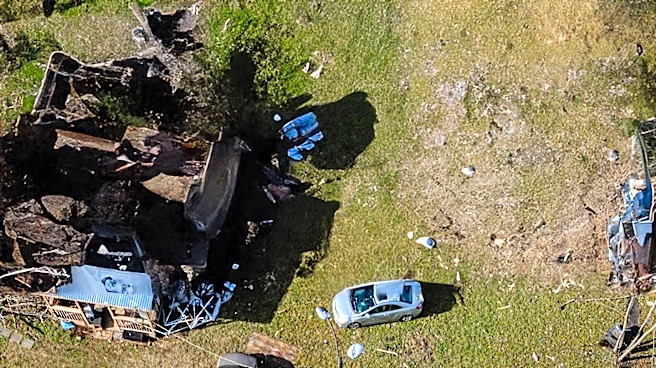
Columbus, Georgia, experienced severe thunderstorms that resulted in significant damage, including at least 80 downed trees and widespread power outages. According to the National Weather Service, parts of Muscogee County recorded wind speeds of 70 mph,
nearing hurricane-force. These strong winds blew transformers and downed power lines, initially affecting as many as 17,000 homes. As of the latest reports, approximately 4,500 homes are still without power, with Georgia Power estimating restoration by 5:00 PM. The storms also rendered some area roads impassable due to debris. Cleanup efforts are currently underway, with residents and workers actively clearing fallen trees and other massive debris. The timing of these outages is particularly challenging as summer temperatures in the upper 80s exacerbate the discomfort for those without electricity.
Why It's Important?
The severe weather event in Columbus, Georgia, highlights the vulnerability of local infrastructure to extreme weather conditions and the immediate impact on residents' daily lives. The extensive power outages disrupt essential services and pose health risks, especially given the high summer temperatures. For local businesses, prolonged power loss can lead to significant financial setbacks and operational challenges. The need for extensive cleanup and repair efforts also places a strain on municipal resources and emergency services. Furthermore, the incident underscores the importance of robust emergency preparedness and response systems to mitigate the effects of such natural disasters on communities. The disruption to transportation due to impassable roads also affects commerce and daily commutes, emphasizing the interconnectedness of infrastructure and community well-being.
What's Next?
Cleanup operations are expected to continue as workers and homeowners address the extensive debris and fallen trees. Georgia Power is working to restore electricity to the remaining 4,500 homes, with an estimated completion time of 5:00 PM. Residents are advised to stay informed through local news sources for updates on power restoration and road conditions. The community will likely focus on recovery and assessing the full extent of the damage in the coming days. Looking ahead, there is a hope for more favorable weather conditions as the region approaches November, typically a period for a second wave of severe weather. The focus will shift towards ensuring infrastructure resilience and community preparedness for future weather events.
Beyond the Headlines
This event in Columbus, Georgia, serves as a stark reminder of the increasing frequency and intensity of severe weather phenomena, potentially linked to broader climate patterns. While the immediate focus is on recovery, the long-term implications include the need for enhanced infrastructure resilience, particularly in power grids and urban forestry management. The community's experience with past events, such as tornadoes and hurricanes like Opal, suggests a historical vulnerability that necessitates continuous adaptation and investment in protective measures. The collective effort of homeowners and workers in the cleanup process also highlights the strong community spirit and reliance on local support systems during crises. This incident could prompt discussions on urban planning strategies to minimize the impact of future storms, including tree management and undergrounding utility lines where feasible.