



What's Happening?
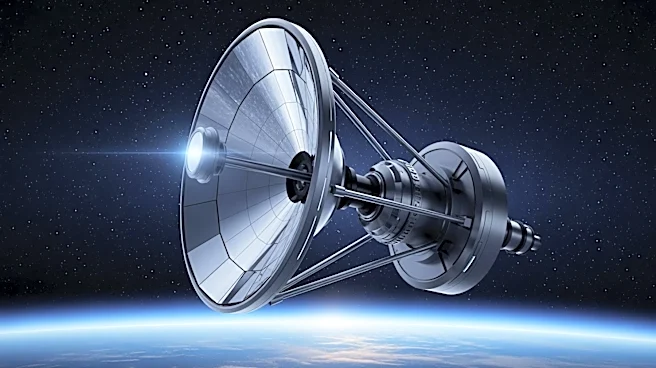
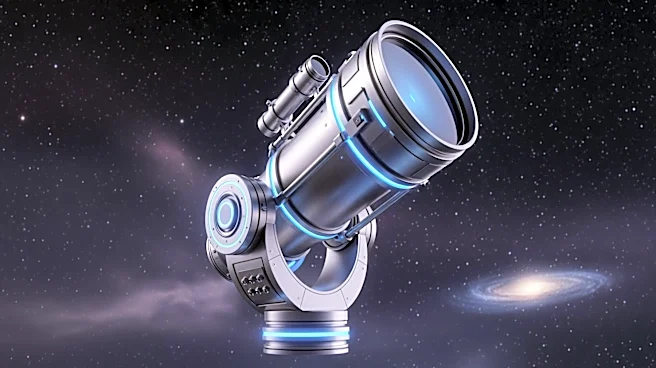
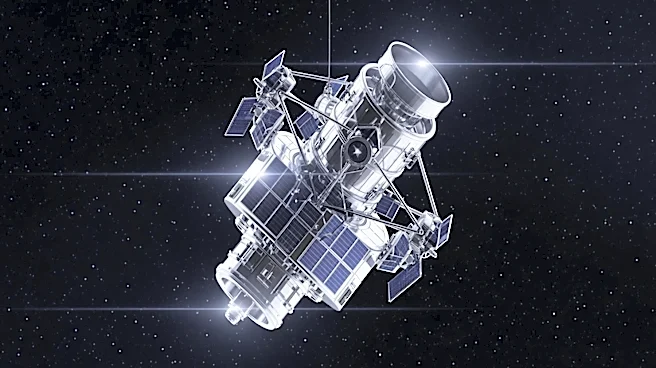
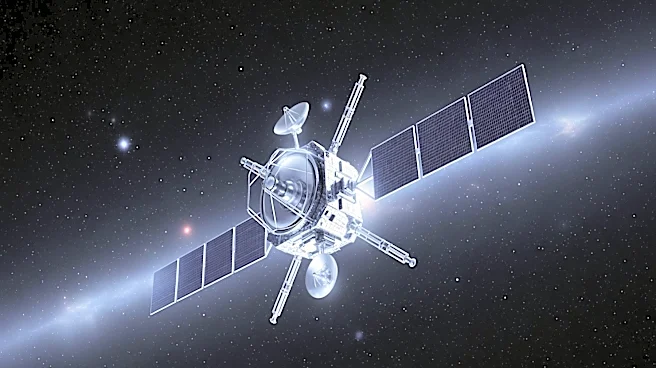
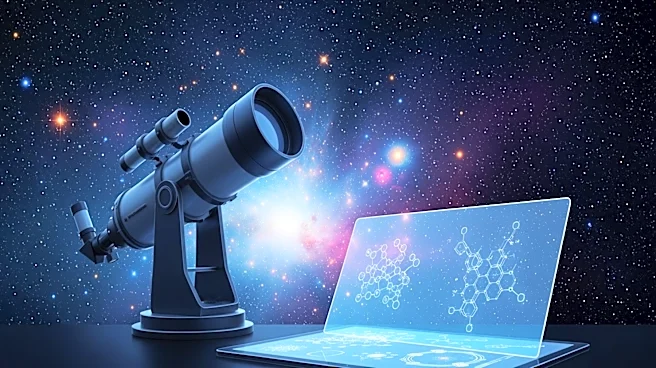
NASA's Neil Gehrels Swift Observatory, launched in 2004, has been instrumental in studying a wide range of cosmic phenomena, from gamma-ray bursts to black holes. The observatory, equipped with Ultraviolet/Optical, X-ray, and Burst Alert telescopes, has made
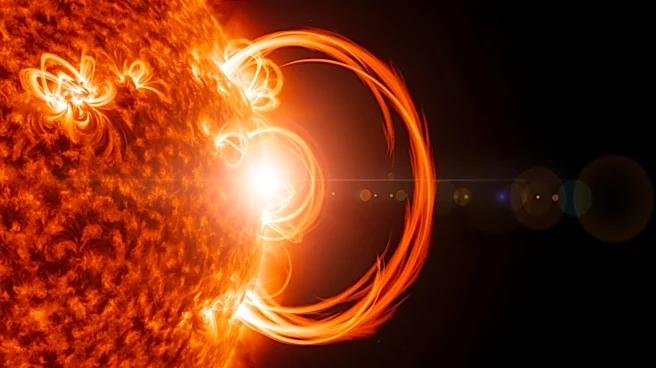
significant contributions to time-domain astronomy. It has detected thousands of gamma-ray bursts, discovered new black holes, and observed stellar phenomena such as megaflares and star quakes. The Swift Observatory continues to be a key asset in NASA's fleet, providing valuable data across various wavelengths and time scales.
Why It's Important?
The Swift Observatory's ability to rapidly observe and analyze cosmic events has advanced our understanding of the universe's most energetic phenomena. Its findings have implications for fundamental physics, such as the behavior of matter under extreme conditions and the life cycles of stars. The observatory's work supports the development of theoretical models and informs future missions, contributing to the broader field of astrophysics. By enhancing our knowledge of cosmic events, Swift helps scientists address fundamental questions about the universe's origins and evolution.
Beyond the Headlines
Swift's contributions extend beyond immediate scientific discoveries, influencing the development of new observational techniques and technologies. Its success demonstrates the value of multi-wavelength observatories in capturing comprehensive data, which is crucial for understanding complex cosmic phenomena. The observatory's ongoing mission continues to inspire future generations of astronomers and astrophysicists, highlighting the importance of sustained investment in space science and exploration.