





What's Happening?
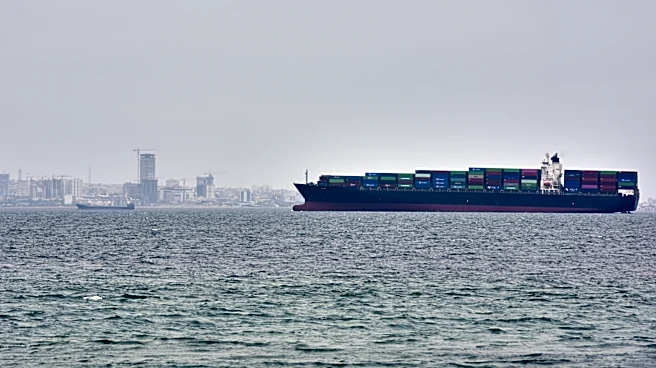
The United Nations has issued a warning regarding potential medical supply shortages in Iran due to the ongoing conflict. The disruption in supply chains, exacerbated by the blockade of the Strait of Hormuz, has led to significant challenges for Iranian
hospitals. Tehran's Ebnesina Hospital is already experiencing shortages of critical medications such as hypertension and chemotherapy drugs. The Red Cross has begun importing aid, transferring medical supplies from Turkey to Iran to address urgent needs. The conflict has also impacted the factory responsible for supplying 60% of Iran's dialysis filters, which now faces a shortage of raw materials. The situation is further complicated by Iran's substantial debts to pharmacies, making medication increasingly unaffordable for citizens.
Why It's Important?
The medical supply shortages in Iran highlight the severe humanitarian impact of the ongoing conflict. The disruption of supply chains not only affects Iran but also has broader implications for global healthcare systems. Countries like the UK are anticipating shortages of medical supplies, prompting stockpiling efforts. The situation underscores the interconnectedness of global supply chains and the ripple effects of regional conflicts. For Iran, the shortages could lead to increased civilian suffering and potentially spark protests if essential goods become scarce. The regime's response to these shortages may influence its diplomatic stance and internal stability.
What's Next?
Iran may continue to seek international aid to mitigate the shortages, while the Red Cross and other humanitarian organizations could increase their efforts to provide relief. The Iranian regime's handling of the crisis may affect its relations with Western countries, particularly if protests arise due to the shortages. The international community may need to address the blockade of the Strait of Hormuz to restore supply chains. Additionally, the situation could prompt discussions on the need for more resilient global supply chains to withstand geopolitical disruptions.
Beyond the Headlines
The medical crisis in Iran raises ethical questions about the responsibility of governments to protect civilian populations during conflicts. The regime's prioritization of military objectives over civilian welfare may lead to long-term societal consequences. The situation also highlights the importance of international mediation and diplomacy in resolving conflicts that have widespread humanitarian impacts. The potential for renewed protests in Iran could signal a shift in public sentiment and pressure the regime to reconsider its approach to governance and international relations.