



What's Happening?
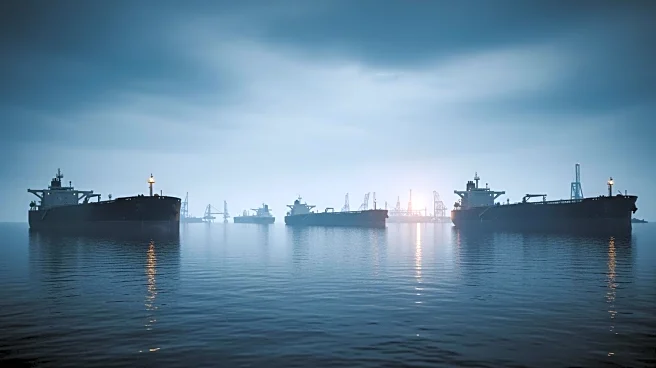
The United States has imposed sanctions on 29 vessels and their management firms, targeting Iran's 'shadow fleet' that exports Iranian petroleum and petroleum products. These vessels, often old and with opaque ownership, use deceptive shipping practices
to transport oil under sanctions. The U.S. Treasury aims to cut off revenue streams that fund Iran's military and weapons programs. The sanctions also target Egyptian businessman Hatem Elsaid Farid Ibrahim Sakr and his associated companies. This move is part of broader U.S. efforts to pressure Iran over its nuclear program and support for militant proxies in the Middle East.
Why It's Important?
The sanctions are a strategic effort by the U.S. to limit Iran's ability to generate revenue from its oil exports, which are crucial for funding its military and nuclear activities. By targeting the shadow fleet, the U.S. seeks to disrupt Iran's oil trade, which operates outside international norms. This action could further strain U.S.-Iran relations and impact global oil markets, potentially affecting oil prices and supply chains. The sanctions also reflect ongoing geopolitical tensions and the U.S.'s commitment to curbing Iran's influence in the region.
What's Next?
The U.S. is likely to continue monitoring and targeting entities involved in circumventing sanctions on Iranian oil. This could lead to further diplomatic tensions and potential retaliatory measures from Iran. The international community may also respond, as these actions could affect global oil trade dynamics. Stakeholders in the oil industry will need to navigate the complexities of these sanctions, ensuring compliance while managing potential disruptions in supply chains.