








What's Happening?
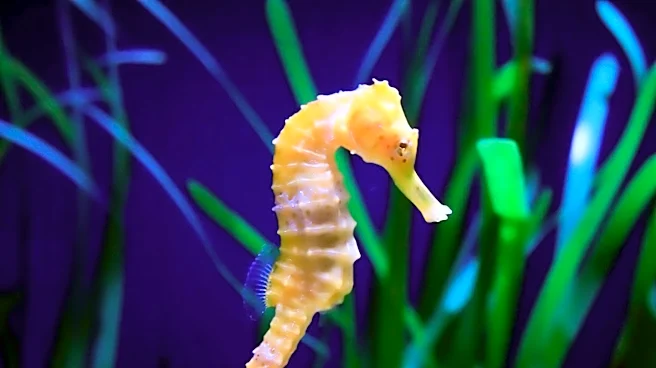
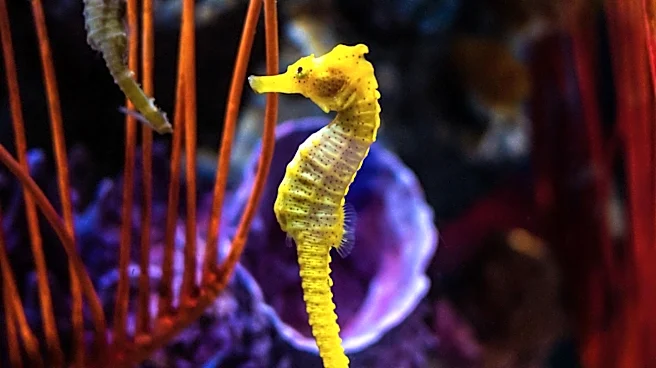
Seahorses, known for their delicate appearance and poor swimming ability, possess a remarkable feeding mechanism that allows them to ambush prey with extraordinary speed. This mechanism, known as latch-mediated spring actuation (LaMSA), enables seahorses
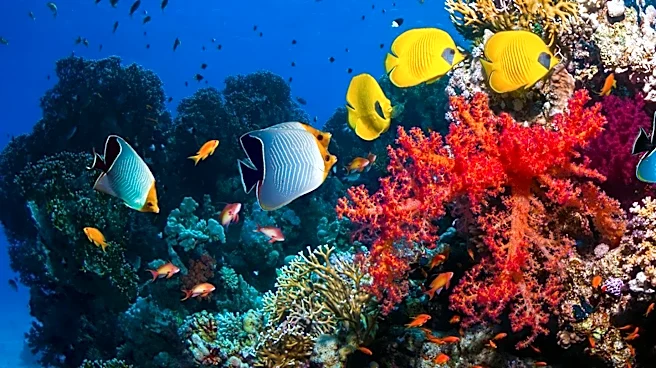
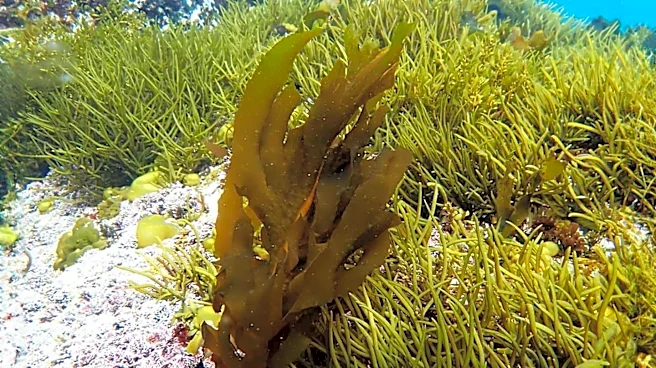
to store and release energy rapidly, making them efficient predators despite their fragile look. However, climate change poses a significant threat to seahorses by damaging their coastal habitats, such as seagrass meadows and coral reefs, which are sensitive to warming, acidification, and pollution. Dr. Hadar Ella from Tel Aviv University highlights that while seahorses can adapt to some environmental changes, the rapid pace of climate change may outstrip their ability to relocate or adjust.
Why It's Important?
The vulnerability of seahorses to climate change underscores broader environmental challenges facing marine ecosystems. As coastal habitats degrade, not only seahorses but a wide range of marine life is at risk. The loss of these habitats can lead to declines in biodiversity and disrupt ecological balances. Seahorses also serve as indicators of ocean health, and their decline could signal broader environmental issues. Conservation efforts focusing on habitat preservation and pollution reduction are crucial to protect these unique creatures and maintain the health of marine ecosystems. Public awareness and action to reduce plastic pollution and protect coastal environments are vital components of these efforts.
Beyond the Headlines
The plight of seahorses highlights the complex interplay between climate change and biodiversity. As seahorses struggle to adapt, their situation raises ethical questions about human responsibility for environmental stewardship. The rapid environmental changes driven by human activity challenge the resilience of many species, prompting discussions about conservation priorities and the role of science in informing policy. Additionally, the unique biology of seahorses, including their male pregnancy, offers insights into evolutionary adaptations and the potential impacts of environmental stressors on reproductive strategies.