







What's Happening?
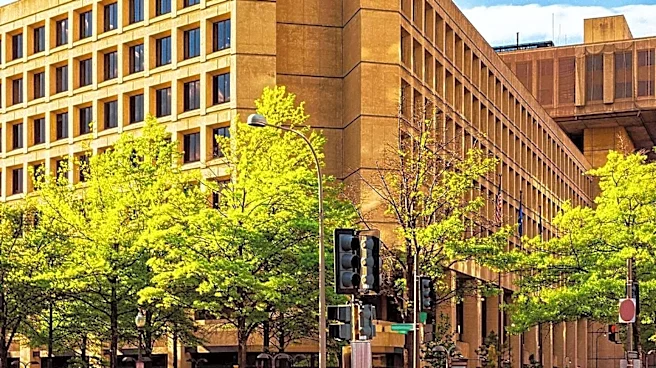
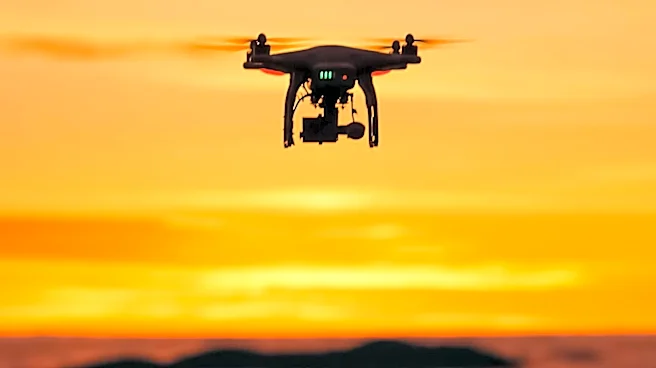
During the FIFA World Cup events in Atlanta, law enforcement agencies, including the FBI, confiscated 95 drones that were flown into restricted airspace. The operation was part of a broader security measure to ensure the safety and security of the event,
which attracts large crowds and international attention. The drones were seized as they posed potential security risks, and the operators of these drones are now under investigation. According to the FBI, these individuals could face significant penalties, including fines or even jail time, depending on the severity of their actions and the outcomes of the investigations. The incident highlights the challenges of managing airspace security during major international events.
Why It's Important?
The seizure of drones during the World Cup in Atlanta underscores the increasing need for stringent airspace security measures at large public events. Drones, while useful for various applications, can pose significant security threats if not properly regulated, especially in crowded areas. This incident serves as a reminder of the potential risks associated with unauthorized drone operations, prompting discussions on the need for clearer regulations and enforcement mechanisms. The legal consequences faced by the operators could deter future violations and emphasize the importance of adhering to airspace restrictions. This situation also highlights the role of federal agencies like the FBI in maintaining public safety during high-profile events.
What's Next?
As investigations continue, the operators of the confiscated drones may face legal proceedings, which could result in fines or imprisonment. This incident may lead to increased scrutiny and tighter regulations on drone usage, particularly around major events. Authorities might implement more robust monitoring systems to prevent similar occurrences in the future. Additionally, this could prompt discussions among policymakers and stakeholders about updating drone regulations to address emerging security challenges. The outcome of these investigations could set precedents for how drone-related offenses are handled in the U.S., influencing future policy decisions.