



What's Happening?
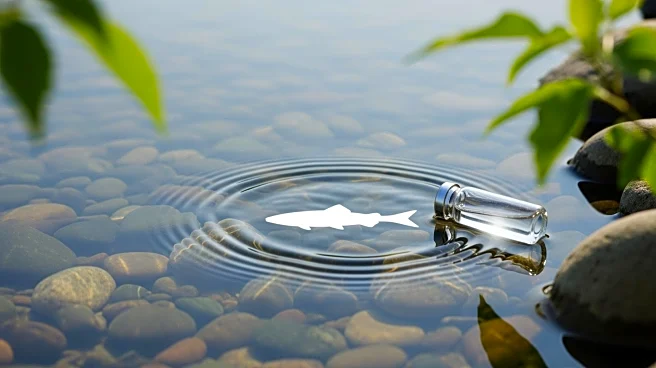
Researchers from the Center for Nuclear Energy in Agriculture at the University of São Paulo have discovered multiple classes of antibiotics in the Piracicaba River in Brazil. These antibiotics, found in both the water and fish, raise significant food
safety concerns. The study, published in Environmental Sciences Europe, highlights the presence of antibiotics like chloramphenicol, which is banned for use in livestock in Brazil due to its toxicity. The research also explored the potential of using aquatic plants to reduce contamination. The findings underscore the environmental impact of human and veterinary drug use, with antibiotics accumulating in river sediments and fish, posing risks to both aquatic life and human consumers.
Why It's Important?
The presence of antibiotics in river ecosystems is a growing environmental and public health concern. Antibiotic contamination can lead to the development of drug-resistant bacteria, posing a threat to both human and animal health. The detection of banned substances like chloramphenicol in fish consumed by local populations highlights the urgent need for better regulation and monitoring of water quality. This issue also emphasizes the importance of developing sustainable and cost-effective methods to mitigate pollution, such as using aquatic plants for bioremediation. Addressing antibiotic contamination is crucial to prevent the spread of antibiotic resistance and ensure the safety of food supplies.