

What's Happening?
Provo, Utah, is preparing for a notable change in weather patterns, transitioning from mild conditions to significant precipitation. Monday, November 16, 2026, is forecast to be partly sunny with highs in the upper 50s. However, this mild weather is expected
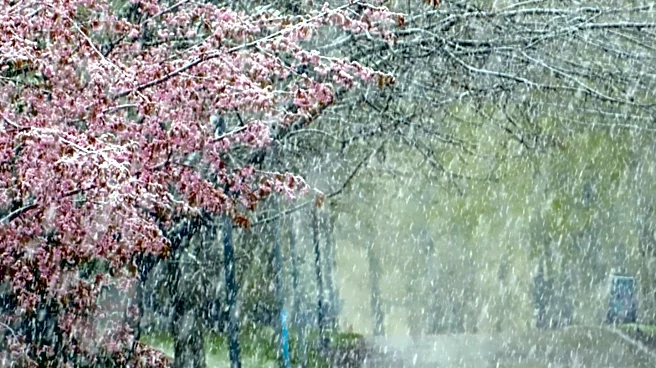
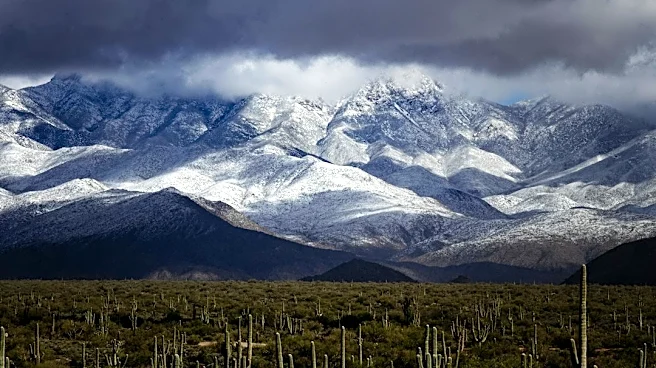
to be short-lived, as rain is predicted for Tuesday, with a 90% chance of precipitation, primarily in the afternoon. Following the rain, Tuesday night will likely see a mix of rain and snow, with temperatures dropping to the lower 30s. The National Weather Service's Utah Valley forecast indicates that another storm system is expected to bring more rain and snow from Thursday into Friday, with daytime highs remaining in the 40s. This shift marks a significant change from the earlier mild conditions.
Why It's Important?
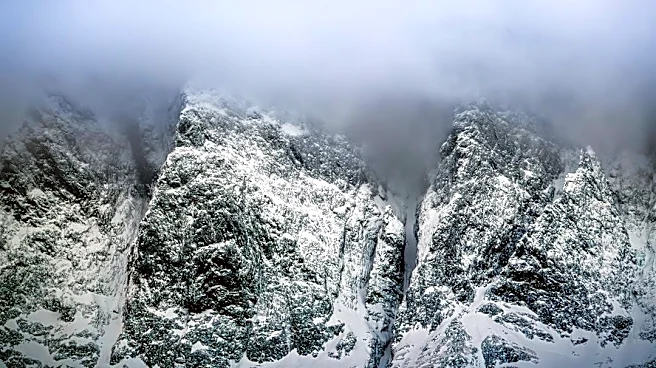
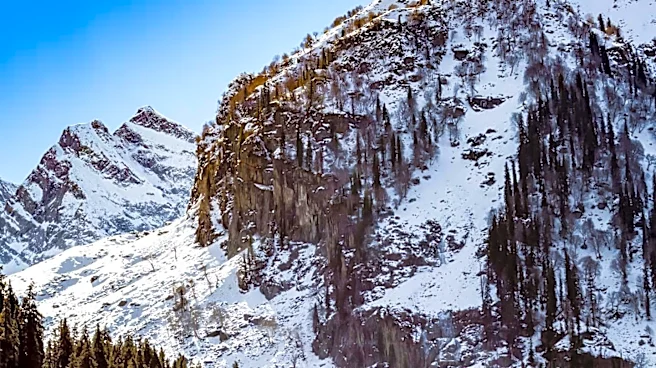
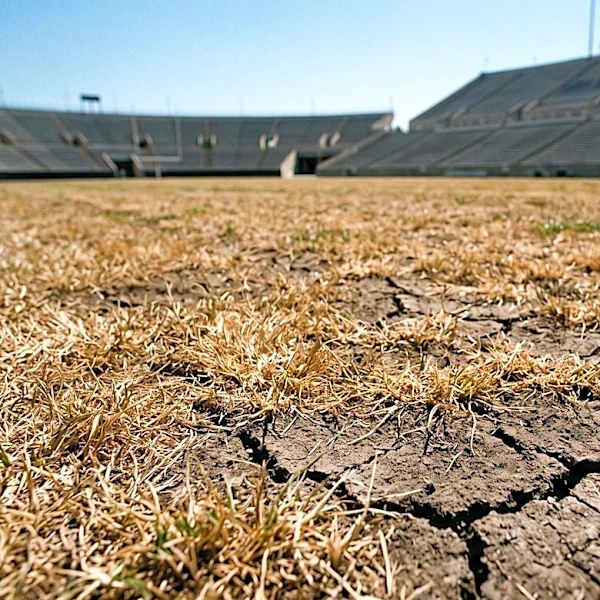
This impending weather shift is crucial for Provo and the broader Utah Valley, particularly concerning water resources and daily life. Utah relies heavily on snowpack for approximately 95% of its water supply. The previous season's snowpack was at a record low, and reservoir storage was significantly below average at the start of the new water year. Therefore, any accumulating snow in the mountains, with several inches possible above 8,000 feet, is vital for replenishing water reserves. For residents, the forecast of rain and snow could lead to wet commutes, slick roads, and potential travel disruptions. The change in weather also impacts local businesses, especially those related to outdoor activities and winter sports, as well as agricultural sectors dependent on water availability.
What's Next?
Residents of Provo and the Utah Valley should prepare for changing weather conditions, including potential travel hazards due to rain and snow. The National Weather Service will continue to provide updates on precipitation chances and accumulation totals, especially for mountain areas. Water management officials will closely monitor the snowpack and reservoir levels, as these late-week storms could contribute significantly to the region's water supply. Local authorities may issue advisories or warnings regarding road conditions and safety. Businesses, particularly those in retail and hospitality, might see shifts in consumer behavior as people adjust to the colder, wetter weather. The focus will be on managing the immediate impacts of the storms and assessing their long-term benefits for water conservation.
Beyond the Headlines
The weather forecast for Provo underscores a larger, ongoing concern about water security in Utah and other Western states. The reliance on snowpack for water highlights the vulnerability of the region to climate variability and change. Each significant weather event, especially those bringing substantial snow, becomes a critical component in the annual water budget. This situation prompts deeper discussions about sustainable water management practices, infrastructure resilience, and the need for long-term strategies to address water scarcity. The immediate weather changes in Provo serve as a microcosm of the broader environmental challenges faced by the region, emphasizing the interconnectedness of weather patterns, natural resources, and community well-being. The data collected from SNOTEL stations will be crucial for future water-supply management and drought planning.