


What's Happening?
U.S. Representatives Kathy Castor (Florida) and Zachary Nunn (Iowa) have spearheaded a bipartisan initiative, sending a letter to USDA Secretary Brooke Rollins and U.S. Trade Representative Jamieson Greer. The letter calls for federal intervention to safeguard
farmers and fertilizer producers from escalating costs and disruptions within the fertilizer supply chain. The lawmakers highlighted that global events, including the conflict in Ukraine and instability in the Middle East, have significantly driven up sulfur prices, a crucial component in phosphate fertilizer production. Additionally, concerns were raised regarding Chinese export controls and state-linked purchasing practices, which are reportedly exacerbating pressure on U.S. fertilizer supplies. The representatives are advocating for a comprehensive strategy to bolster domestic fertilizer production and mitigate supply chain vulnerabilities, urging the USDA and USTR to act promptly to prevent further adverse impacts on agricultural operations and fertilizer manufacturing.
Why It's Important?
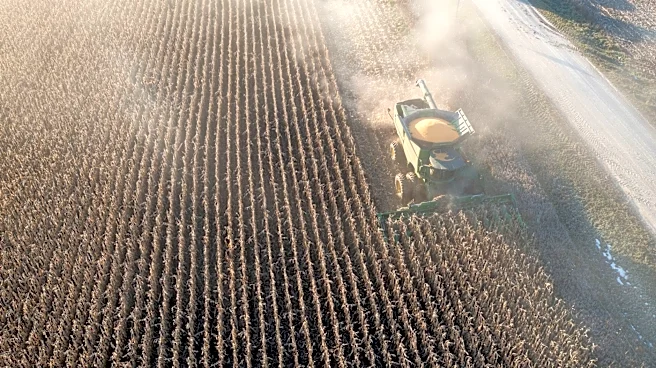
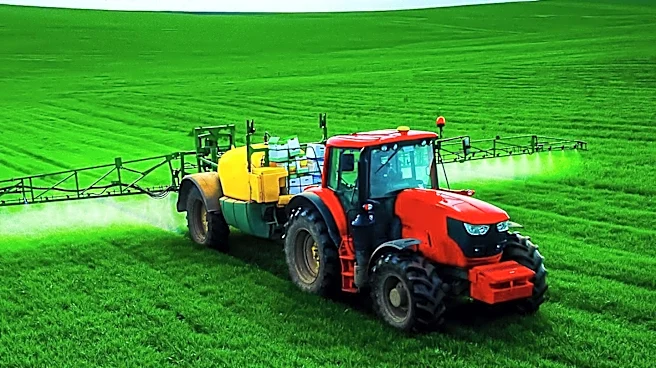
The bipartisan appeal by Representatives Castor and Nunn underscores a critical issue with far-reaching implications for the U.S. agricultural sector and broader economy. Fertilizer is an essential input for crop production, and its rising cost directly translates to higher operational expenses for farmers. This can lead to increased food prices for consumers, contributing to inflationary pressures. Disruptions in the supply chain, particularly those influenced by geopolitical tensions and foreign trade policies, threaten the stability and security of the U.S. food supply. A robust domestic fertilizer production capacity is vital for national food security and economic resilience. The proposed federal action aims to protect the livelihoods of farmers, ensure the competitiveness of U.S. agriculture, and prevent potential shortages of agricultural products. Failure to address these issues could lead to reduced agricultural output, increased reliance on foreign imports, and significant economic strain on both producers and consumers.
What's Next?
Following the bipartisan letter, the next steps will likely involve responses from USDA Secretary Brooke Rollins and U.S. Trade Representative Jamieson Greer, outlining their plans to address the concerns raised. This could include the formation of task forces, initiation of new trade negotiations, or the implementation of domestic support programs for fertilizer production. Stakeholders such as agricultural industry groups, farmer associations, and fertilizer manufacturers will be closely monitoring these developments and may engage in further lobbying efforts to ensure their interests are represented. The administration may explore various policy options, including subsidies for domestic production, diversification of import sources, or diplomatic efforts to ease trade restrictions. The long-term goal will be to establish a more resilient and cost-effective fertilizer supply chain, reducing the vulnerability of U.S. agriculture to global shocks and foreign policy decisions.
Beyond the Headlines
Beyond the immediate economic and agricultural concerns, the issue of fertilizer supply chain stability touches upon broader themes of national security and geopolitical strategy. The reliance on foreign sources for critical agricultural inputs, such as sulfur from regions affected by conflict or phosphate from countries with restrictive export policies, highlights a vulnerability that extends beyond mere economic efficiency. This situation could prompt a re-evaluation of U.S. trade policies and a renewed focus on strategic self-sufficiency in key sectors. The bipartisan nature of the appeal also suggests a growing recognition across the political spectrum of the interconnectedness of agricultural policy, national security, and economic stability. This could pave the way for more comprehensive legislative efforts aimed at strengthening domestic supply chains for other critical resources, fostering greater resilience against future global disruptions.