




What's Happening?
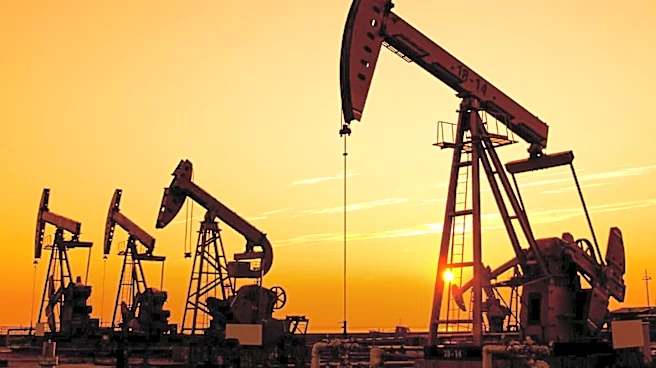
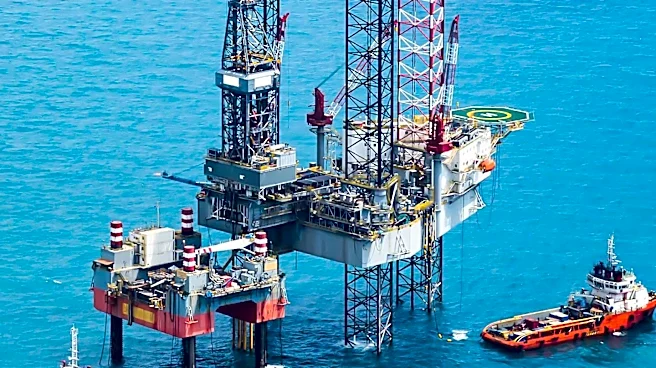
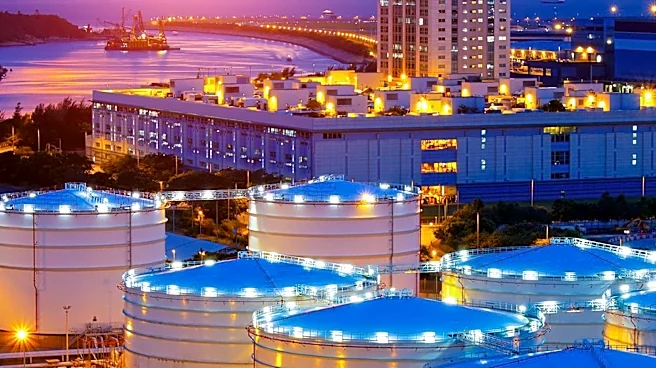
OPEC+ has agreed to increase oil output targets starting in August, as announced during an online meeting. This decision comes as the Strait of Hormuz, a critical passage for oil exports, gradually reopens following disruptions caused by the U.S.-Israeli
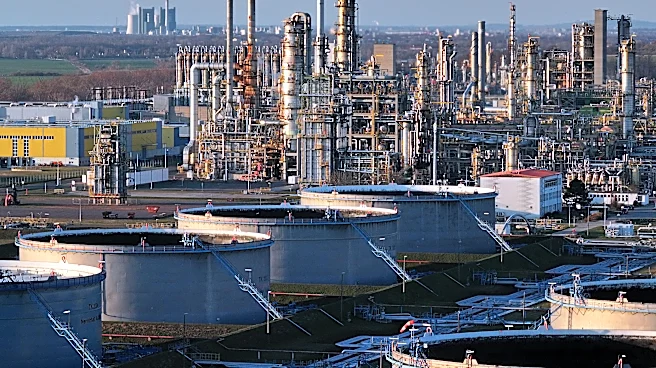
conflict with Iran. The group, which includes major oil producers like Saudi Arabia and Russia, plans to raise quotas by 188,000 barrels per day. This increase follows similar hikes in June and July, aimed at boosting global supply. Despite ongoing supply challenges, oil prices have returned to pre-conflict levels, influenced by reduced Chinese imports and increased exports from non-Middle Eastern producers.
Why It's Important?
The decision by OPEC+ to increase oil production is significant for global energy markets, particularly as it aims to stabilize oil prices that have been volatile due to geopolitical tensions. The reopening of the Strait of Hormuz is crucial for ensuring the steady flow of oil from key producers, which can help mitigate supply disruptions. This move is likely to impact global oil prices, potentially easing inflationary pressures related to energy costs. Additionally, the increase in output may influence the strategic decisions of oil-importing countries, including the United States, as they navigate energy security and economic stability.
What's Next?
As OPEC+ implements the increased output, attention will focus on the actual flow of tankers through the Strait of Hormuz and the recovery of demand, particularly from China. The group's ability to meet these new targets will be closely monitored, as will the geopolitical developments in the region that could affect oil supply. The ongoing dialogue between Washington and Tehran, aimed at ending the conflict, could further stabilize the situation, potentially leading to more consistent oil exports and a balanced market.