









What's Happening?
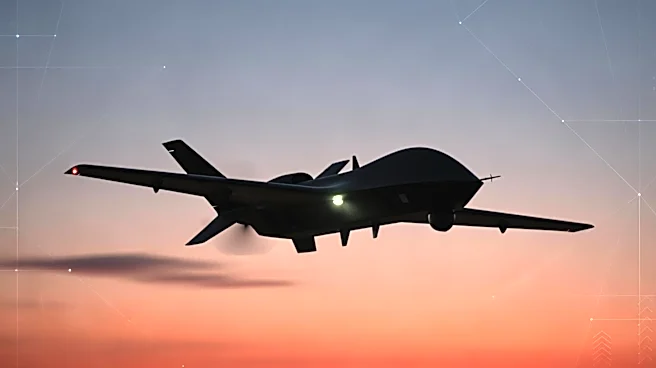
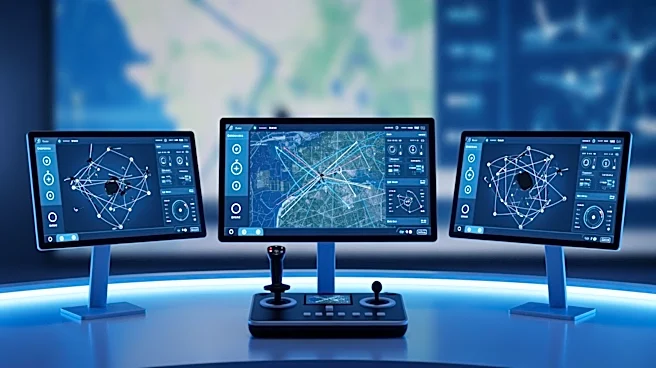
Israeli drone manufacturer Aeronautics Group has successfully demonstrated the capability for a single operator to control multiple uncrewed air vehicles (UAVs) simultaneously. This development was showcased at the Eurosatory defense expo, where the company
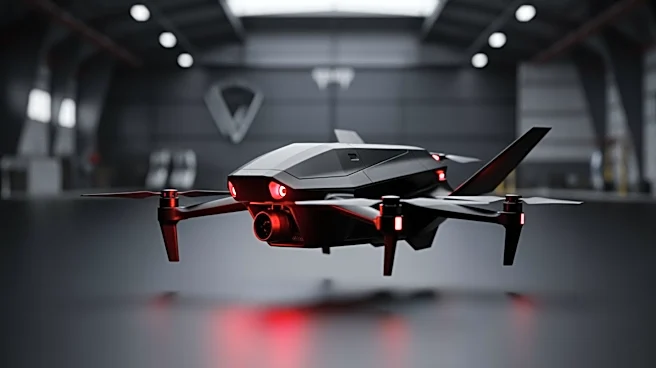
highlighted the use of a single ground control station to manage several UAVs at once. The demonstration involved four Orbiter 4 UAVs, each performing different tasks such as surveillance, loitering, and returning to base. This advancement addresses the traditionally labor-intensive nature of UAV operations by significantly reducing the need for multiple operators, thereby enhancing crewing efficiency.
Why It's Important?
The ability to control multiple UAVs with a single operator represents a significant leap in operational efficiency for military and surveillance applications. This innovation could lead to reduced personnel costs and increased mission flexibility, allowing for more dynamic and responsive operations. The technology is particularly relevant for defense sectors looking to optimize resource allocation and improve mission outcomes. By minimizing the need for multiple operators, organizations can streamline operations and potentially increase the scale and scope of UAV deployments.
What's Next?
Following this successful demonstration, Aeronautics Group may seek to further refine and commercialize this technology for broader military and civilian applications. Potential next steps could include additional testing in varied operational environments and collaboration with defense agencies to integrate this capability into existing systems. The company might also explore partnerships with other defense contractors to expand the use of this technology across different platforms and regions.
Beyond the Headlines
This development could have broader implications for the future of autonomous systems in defense and beyond. As UAV technology continues to evolve, the integration of AI and machine learning could further enhance the capabilities of single-operator systems, leading to more autonomous and efficient operations. This shift could also influence regulatory frameworks and operational doctrines, as military and civilian sectors adapt to the increasing role of automation in strategic operations.