

What's Happening?
A Tesla operating in self-driving mode collided with a California Highway Patrol (CHP) cruiser on I-80 in Fairfield, seriously injuring two officers. The incident occurred just before midnight on Tuesday when the Tesla, driven by a 22-year-old man from
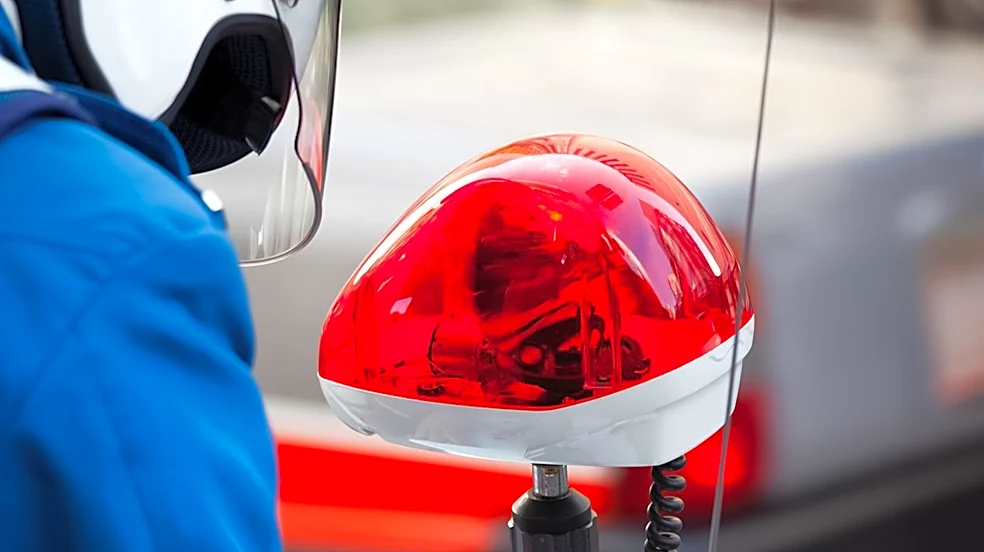
Sacramento, plowed into the back of the CHP vehicle. The CHP had established a lane closure for a separate incident, and the patrol car was stopped with flares, cones, and flashing emergency lights activated. Dashcam footage released by the CHP on Thursday shows the Tesla speeding down the freeway before impact. The driver informed authorities that he was asleep at the time of the crash, relying on the car's driver-assisted technology. Both officers were transported to a hospital in Fairfield for treatment and have since been released. The Tesla driver sustained no injuries.
Why It's Important?
This incident highlights ongoing concerns regarding the safety and responsible use of advanced driver-assistance systems (ADAS) like Tesla's 'Full Self-Driving' (FSD) technology. The CHP emphasized that FSD does not absolve drivers of their responsibility to maintain control and ensure safety, stating, 'As the driver, YOU are responsible for your vehicle's actions!' This crash underscores the critical need for drivers to remain attentive and engaged, even when using automated driving features. It also raises questions about the efficacy of current ADAS in detecting and responding to emergency scenes marked by flares and flashing lights. The event could prompt further scrutiny from regulatory bodies regarding the capabilities and limitations of these systems, potentially influencing future regulations on autonomous vehicle technology and driver education.
What's Next?
The California Highway Patrol will likely continue its investigation into the specifics of the crash, including the operational status of the Tesla's self-driving system and the driver's actions leading up to the collision. This incident may lead to increased public discourse and regulatory pressure on Tesla and other manufacturers of vehicles equipped with advanced driver-assistance systems. There could be calls for stricter guidelines on how these systems are marketed and used, as well as enhanced driver training requirements. Law enforcement agencies may also review their protocols for securing accident scenes to better account for vehicles with ADAS. The outcome of any potential legal proceedings against the driver could also set precedents for accountability in accidents involving semi-autonomous vehicles.
Beyond the Headlines
The crash of a Tesla in self-driving mode into a law enforcement vehicle touches upon broader ethical and legal implications surrounding autonomous technology. It reignites debates about the 'human in the loop' problem, where drivers may become overly reliant on automation, leading to reduced vigilance. Legally, determining liability in such incidents remains complex, as it involves assessing the interplay between driver responsibility, vehicle system performance, and manufacturer design. Ethically, the incident prompts questions about the balance between technological innovation and public safety, particularly when new technologies are deployed on public roads. This event could contribute to a societal shift in how autonomous features are perceived, potentially increasing skepticism or demanding more robust safety assurances before widespread adoption.