


What's Happening?
Deepfakes, which combine deep learning with 'fake,' are now capable of generating or altering images, videos, and audio to imitate real people with high realism, creating entirely new individuals who never existed. This technology swaps faces, synchronizes
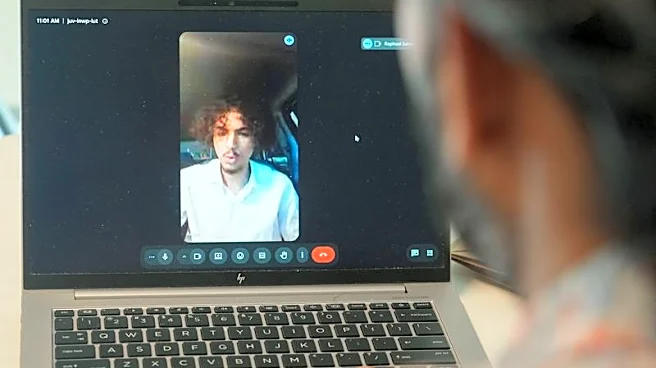
lips with invented speech, and clones voices, posing a significant threat to cybersecurity. Fraudsters are increasingly using deepfakes to deceive not only humans but also automated security systems, such as identity verification apps. The FBI has issued warnings about targeted vishing attacks, where AI-generated voice deepfakes are used to trick senior officials and executives into sharing sensitive information or transferring funds, highlighting the growing sophistication of these fraudulent activities.
Why It's Important?
The evolution of deepfake technology to bypass automated security systems marks a critical turning point in cybersecurity. This development means that traditional biometric verification methods, which rely on detecting presentation attacks, are becoming insufficient. The ability of deepfakes to fool identity verification apps and other digital security measures creates significant vulnerabilities for businesses and individuals, increasing the risk of financial fraud, corporate espionage, and personal threats. The FBI's warning about vishing attacks underscores the immediate and tangible danger to high-level executives and organizations, potentially leading to substantial financial losses and compromised sensitive data. This necessitates a re-evaluation and enhancement of current security protocols across various sectors.
What's Next?
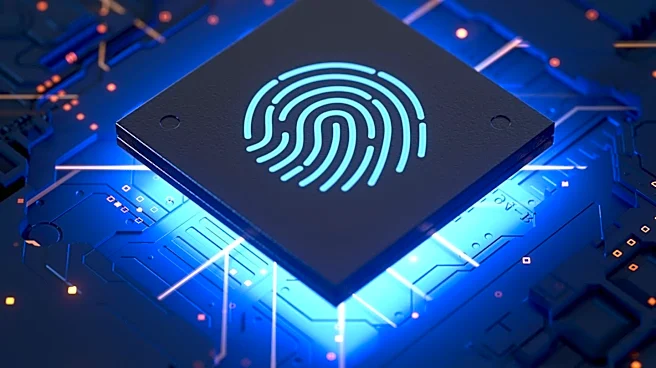
Combating deepfake attacks requires a multi-layered security approach, as no single defense mechanism is sufficient. Deepfake detection systems are being developed to analyze spatial, frequency, and temporal domains for traces left by the generation process, though these systems need continuous retraining due to the rapid evolution of deepfake technology. Traditional liveness detection, while effective against presentation attacks, is being bypassed by injection attacks where synthetic video enters the digital flow directly. Future strategies will likely involve integrating fingerprint biometrics on mobile devices, which are less susceptible to deepfake manipulation, and implementing robust app integrity checks. Organizations will also need to establish human-centric protocols, such as confirming payment requests through secondary channels, to mitigate risks.
Beyond the Headlines
The rise of deepfakes and their ability to mimic human identity with such precision raises profound ethical and societal questions. The technology's capacity to create convincing synthetic content challenges the very notion of authenticity and trust in digital interactions. Beyond financial fraud, deepfakes can be used for political manipulation, disinformation campaigns, and personal harassment, eroding public confidence in what they see and hear online. The development of countermeasures will not only involve technological advancements but also a broader societal effort to foster critical media literacy and establish legal frameworks to address the malicious use of AI-generated content. The long-term implications could reshape how we verify identity, consume information, and interact in the digital realm.