
What's Happening?
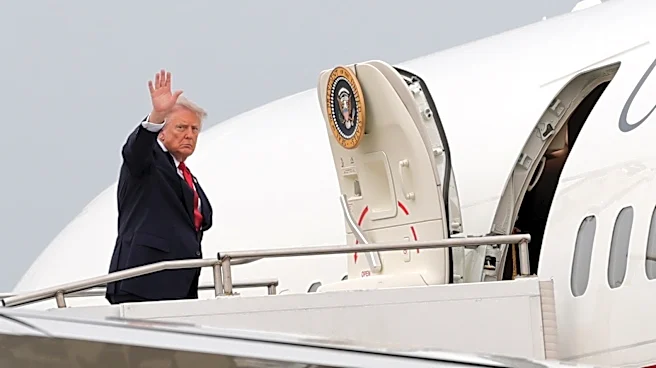
The U.S. Department of Homeland Security, led by Secretary Markwayne Mullin, has claimed that there may be over 14,000 noncitizens registered to vote in Pennsylvania. This assertion is part of a broader claim by President Trump, who alleged that more
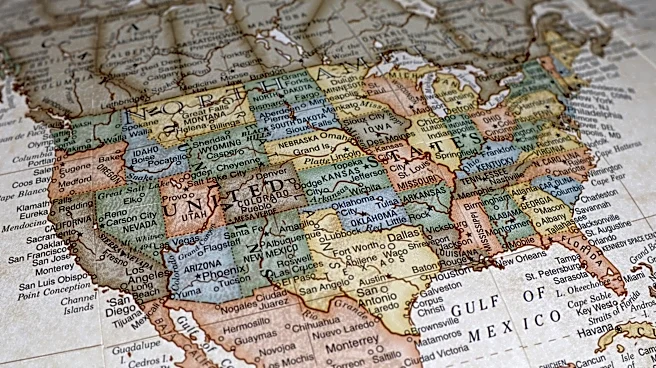
than 250,000 noncitizens are on voter rolls across several states, including California, New Jersey, Nevada, and Pennsylvania. Pennsylvania officials, however, are challenging this claim, demanding that the federal government disclose the methodology and data sources used to identify these noncitizens. Secretary of the Commonwealth Al Schmidt has expressed concerns about the accuracy of the methods used, citing past issues with the Systematic Alien Verification for Entitlements (SAVE) program, which has previously flagged eligible voters incorrectly. The Department of Homeland Security has not yet provided the specific list of alleged noncitizens to Pennsylvania, nor has it publicly detailed its identification process.
Why It's Important?
This development is significant as it touches on the integrity of the electoral process, a critical issue in U.S. politics. The claim of noncitizen voters could influence public perception of election security and potentially impact voter confidence. If substantiated, these claims could lead to changes in how voter rolls are managed and verified, possibly affecting voter registration processes nationwide. Conversely, if the claims are found to be inaccurate, it could undermine trust in federal oversight and raise questions about the use of federal resources in election administration. The situation also highlights the ongoing tension between state and federal authorities over election management, a key issue in the broader debate over voting rights and election security.
What's Next?
Pennsylvania officials are likely to continue pressing for transparency from the Department of Homeland Security regarding the methods used to identify noncitizen voters. This could lead to further legal or administrative actions if the federal government fails to provide the requested information. Additionally, other states mentioned in the claims may also seek clarification or challenge the findings. The outcome of this dispute could influence future federal-state collaborations on election security and potentially lead to legislative or policy changes aimed at improving the accuracy of voter registration systems.