




What's Happening?
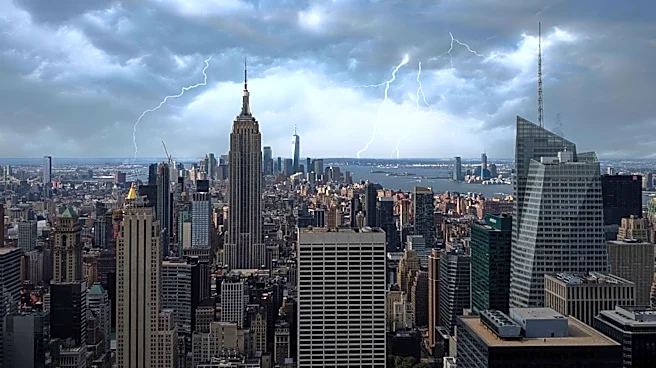
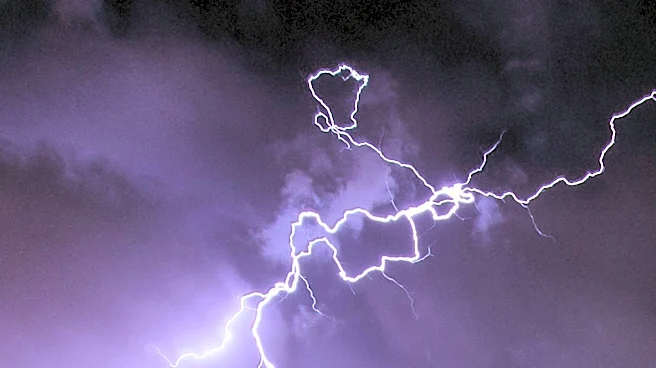
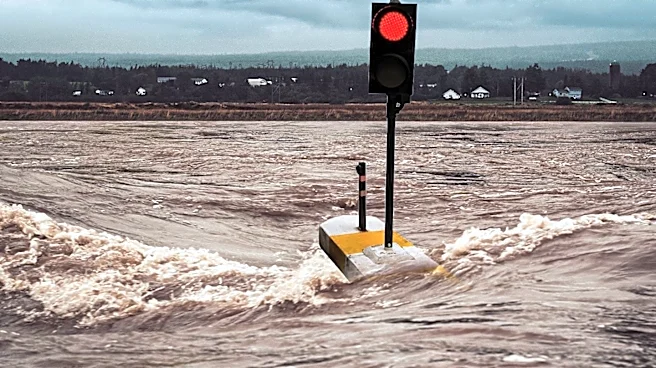
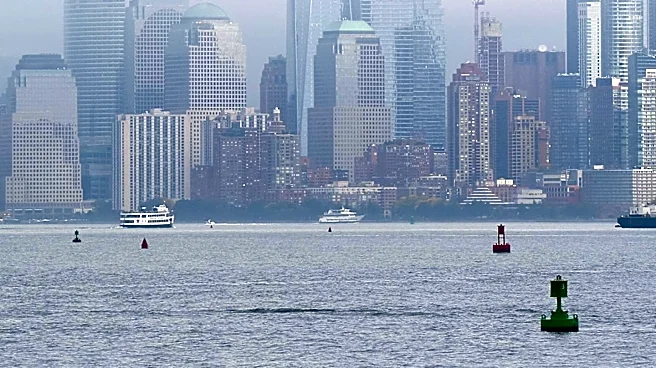
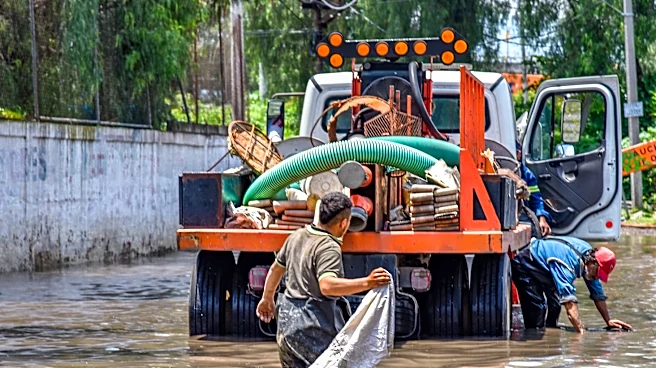
New York City was hit with severe thunderstorms on Saturday, leading to flash flood warnings across the five boroughs. The heavy downpour resulted in significant disruptions, including ground stops at LaGuardia, JFK, and Newark Liberty International Airports,
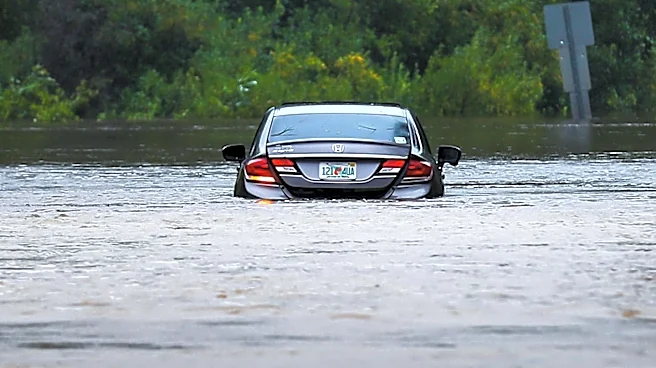
causing delays of up to two hours. The flooding also affected major expressways, with the Clearview Expressway and Long Island Expressway experiencing closures due to water accumulation. Mayor Zohran Mamdani and Governor Kathy Hochul issued warnings to residents about the dangerous conditions, advising against travel on flooded roads. The National Weather Service issued a special weather alert, and the city's Office of Emergency Management cautioned against walking or driving through floodwaters.
Why It's Important?
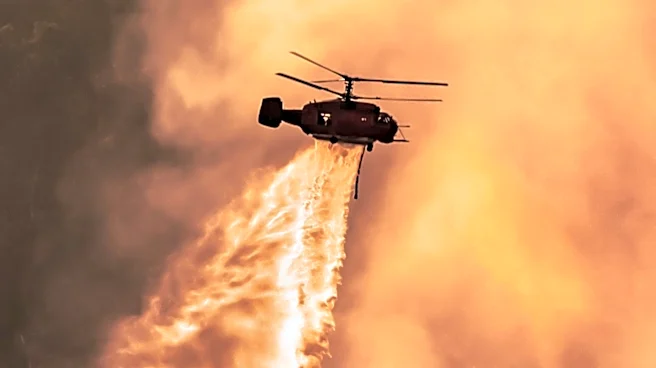
The severe weather conditions in New York City highlight the vulnerability of urban infrastructure to extreme weather events. The flash floods and airport delays underscore the potential for significant disruptions in transportation and daily life, affecting thousands of residents and travelers. The situation also raises concerns about the city's preparedness for such events, especially in the context of climate change, which is expected to increase the frequency and intensity of severe weather. The economic impact is notable, with potential losses in tourism and business activities due to travel disruptions. Additionally, the air quality issues linked to Canadian wildfires add another layer of complexity to the city's environmental challenges.
What's Next?
As the storms are expected to continue throughout the day, city officials and emergency services will remain on high alert to manage the ongoing situation. The focus will be on ensuring public safety and minimizing disruptions. In the longer term, this event may prompt discussions on improving infrastructure resilience and emergency response strategies to better handle future weather-related challenges. The clearing of air quality issues due to the storm may provide temporary relief, but ongoing monitoring and public health advisories will be crucial.