






What's Happening?
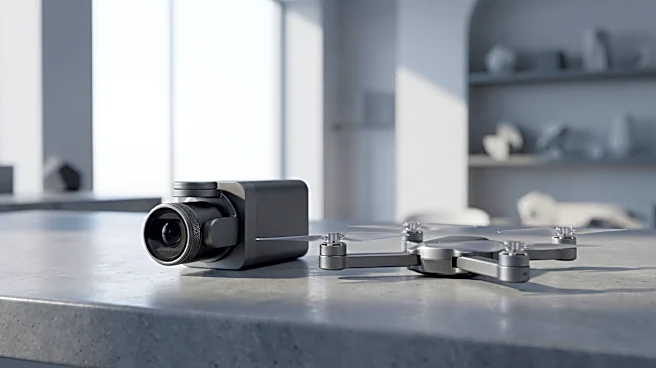
The Federal Communications Commission (FCC) has retroactively revoked the certification for the Flight Kit component of the HoverAir Versa, a modular pocket gimbal camera that transforms into a self-flying drone. This action occurred just three days after
the product's launch on Indiegogo. The FCC stated that the authorization was "granted erroneously" and that the device is considered a "prohibited UAS critical component produced in a foreign country." HoverAir had initially claimed that its U.S. certification allowed it to bypass a ban on certain foreign-made drones. The FCC's decision has led HoverAir to remove the Flight Kit tiers for U.S. buyers from its Indiegogo campaign, although the camera-only tiers remain available, albeit with uncertainty due to the FCC's broad interpretation of prohibited components.
Why It's Important?
This FCC action is significant as it closes a potential loophole in the December 2025 Covered List order, which banned new authorizations for foreign-made drones and their critical components. The FCC's clarification that even a camera designed to attach to a propeller frame falls under the definition of a 'critical component' has broad implications for drone manufacturers, particularly those with foreign supply chains. This move reinforces the U.S. government's efforts to restrict the entry of certain foreign-made technology, citing national security concerns. For consumers, it means reduced access to specific drone products and potentially higher prices for compliant alternatives. For the tech industry, it signals increased scrutiny on product certifications and supply chain origins, potentially forcing companies to re-evaluate their manufacturing and market entry strategies for the U.S. market.
What's Next?
HoverAir is scheduled to showcase the Versa at IFA in Berlin on September 3, with retail availability planned for the fall. However, the FCC's ruling casts doubt on the availability of the Flight Kit, and potentially even the camera-only version, in the U.S. market. The FCC is also sending guidance to all Telecommunications Certification Bodies to strengthen their due diligence in application reviews, indicating a more rigorous approval process for future tech products. This could lead to delays or outright rejections for other foreign-made devices attempting to enter the U.S. market. The ongoing legal challenge by DJI against the underlying order further suggests a prolonged period of uncertainty and potential shifts in U.S. drone policy and market access.
Beyond the Headlines
The FCC's decision on the HoverAir Versa highlights the complex interplay between technological innovation, national security concerns, and international trade. The broad interpretation of 'critical components' could set a precedent for how other modular or integrated foreign-made technologies are regulated in the U.S. This situation also underscores the challenges faced by crowdfunding campaigns when regulatory hurdles emerge post-launch, impacting both the company and its backers. The incident reflects a growing trend of governments using regulatory powers to control technology imports, particularly from countries deemed strategic competitors. This could lead to a more fragmented global tech market, where products available in one region are restricted in another, influencing global supply chains and product development strategies.