







What's Happening?
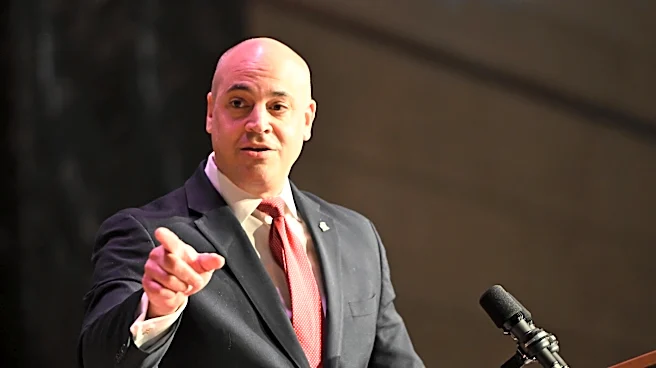
Pennsylvania Attorney General Dave Sunday announced charges against 14 individuals, primarily current or former Penn State students, involved in a criminal narcotics operation during 2023 and 2024. The operation allegedly involved two off-campus Greek
organizations, Sigma Chi and Delta Upsilon. In response to these serious allegations, Penn State has placed Delta Upsilon on interim suspension, initiating an investigation by the Office of Student Accountability and Conflict Response. The university will also address these charges through individual student conduct processes for current students and review Delta Upsilon through its organizational conduct processes. Sigma Chi, not being a recognized organization, operates outside the university's direct support and oversight. Andrea Dowhower, vice president for Student Affairs, expressed horror at the allegations, stating that such criminal activity, including hazing, has no place at the institution. The university has pledged full cooperation with law enforcement and plans to enhance health, safety, and hazing prevention efforts.
Why It's Important?
This incident highlights the ongoing challenges universities face in regulating off-campus student activities and Greek life, particularly concerning illegal conduct. The involvement of both recognized and unrecognized Greek organizations underscores the complexities of oversight and accountability. For Penn State, the allegations could impact its reputation and potentially lead to stricter policies for student organizations. The university's swift action to suspend Delta Upsilon and initiate investigations demonstrates a commitment to addressing misconduct, which is crucial for maintaining institutional integrity and student safety. The broader implications extend to the Greek system nationwide, as such incidents often prompt renewed scrutiny of fraternity and sorority culture, hazing practices, and drug-related activities. This event could influence how universities balance student autonomy with their responsibility to ensure a safe and lawful environment, potentially leading to increased collaboration with law enforcement on off-campus issues.
What's Next?
Penn State's Office of Student Accountability and Conflict Response will proceed with its investigation into the alleged criminal narcotics operation. This will involve individual student conduct processes for current students implicated and an organizational review for Delta Upsilon. Disciplinary actions could range up to permanent separation from the university for both the organizations and individuals found responsible. The university also plans to establish additional educational and hazing prevention efforts, particularly during the initial weeks of the semester, to reinforce safe behaviors and educate on risk. Law enforcement will continue its proceedings against the 14 individuals charged. The outcome of these investigations and legal actions will likely shape future policies regarding Greek life and student conduct at Penn State, potentially influencing other universities grappling with similar issues. The university's cooperation with law enforcement will be critical in resolving the criminal aspects of the case.
Beyond the Headlines
The incident at Penn State brings to light the persistent issue of drug-related activities within university communities, often intertwined with social organizations like fraternities. Beyond the immediate legal and disciplinary consequences, this event could spark a deeper conversation about the culture within some Greek organizations, particularly those operating outside official university recognition. The distinction between recognized and unrecognized groups is significant; while recognized organizations are subject to university oversight, unrecognized ones often operate with less accountability, potentially creating environments where illicit activities can thrive. This situation also raises ethical questions about the university's responsibility for student conduct off-campus and the balance between student privacy and institutional safety. The long-term impact could include a re-evaluation of how universities monitor and engage with all student groups, recognized or not, to prevent criminal behavior and promote a healthier campus environment.