






What's Happening?
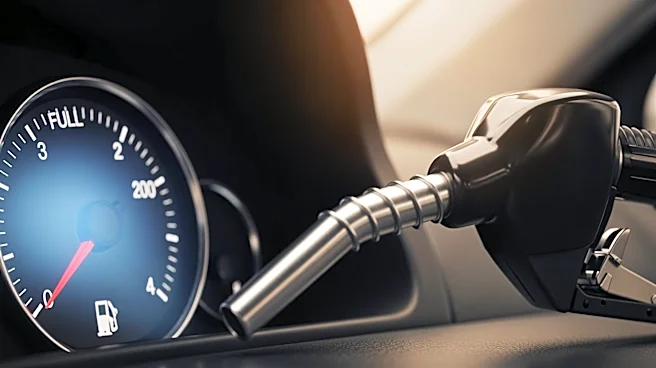
As gas prices continue to rise, drivers are seeking ways to reduce fuel consumption and save money. According to Consumer Reports, one of the most effective methods is to slow down while driving. Tests conducted by Consumer Reports revealed that reducing
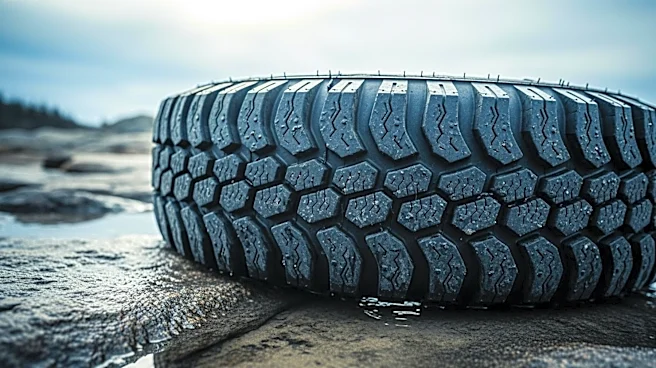
speed from 75 to 65 miles per hour can save drivers six to seven miles per gallon, depending on the vehicle. Additionally, driving style plays a significant role in fuel efficiency. Hard acceleration can cause the engine to work harder, leading to increased fuel consumption and additional wear on the engine, brakes, and tires. Proper tire inflation is also crucial, as under-inflated tires can lead to higher fuel usage and faster tire wear. These adjustments can help drivers maximize their fuel efficiency and reduce costs at the pump.
Why It's Important?
The significance of these findings lies in their potential to alleviate the financial burden on drivers amid persistently high gas prices. By adopting more fuel-efficient driving habits, individuals can save money and reduce their environmental impact. This is particularly relevant as many Americans face economic challenges and are looking for ways to cut expenses. The advice from Consumer Reports provides practical steps that can be implemented immediately, offering a tangible benefit to drivers across the country. Furthermore, these changes contribute to a broader effort to reduce fuel consumption and promote sustainability, aligning with national goals to decrease reliance on fossil fuels.
What's Next?
Drivers are encouraged to adopt these fuel-saving techniques to mitigate the impact of high gas prices. As awareness of these strategies grows, it is likely that more individuals will adjust their driving habits accordingly. Additionally, tools like GasBuddy can assist drivers in finding the most affordable gas prices in their area, further enhancing their ability to save money. The ongoing dialogue around fuel efficiency may also prompt automotive manufacturers to focus on producing more fuel-efficient vehicles, responding to consumer demand for cost-effective and environmentally friendly options.