

What's Happening?
Pakistan has announced that it targeted militant hideouts in Afghanistan's Kandahar region as cross-border fighting between the two nations continues to escalate. According to Pakistan's Information Minister Attaullah Tarar, the military strikes focused
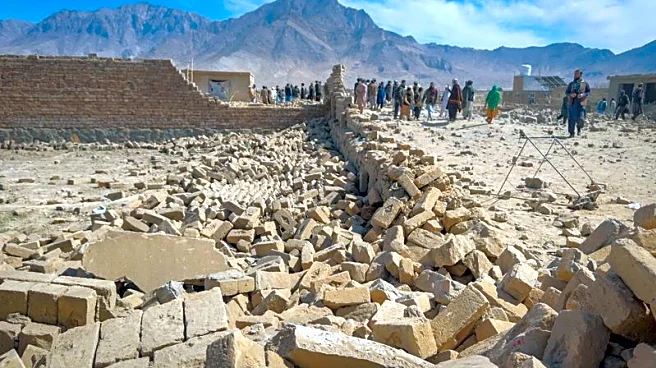
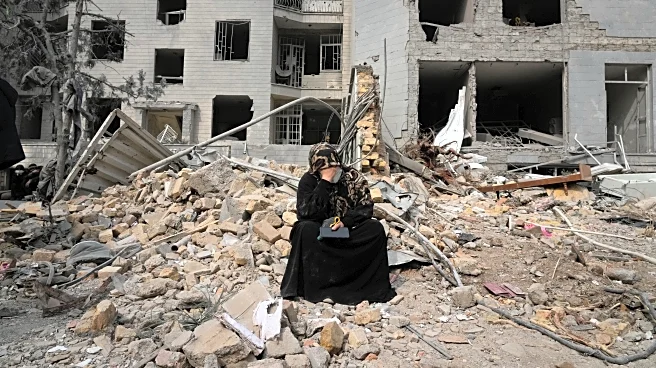
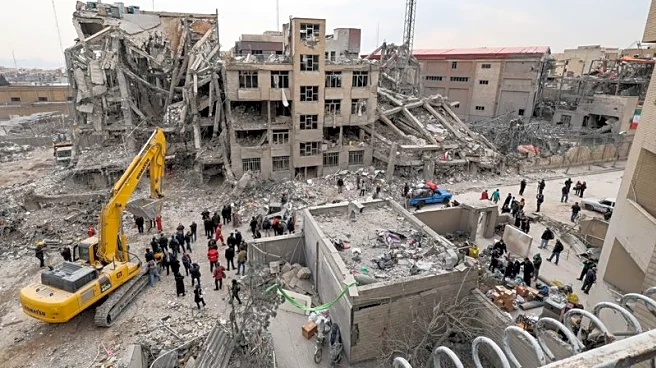
on equipment storage facilities and technical support infrastructure. In response, Afghan government spokesman Zabiullah Mujahid reported that Pakistan's attacks hit a site used by security guards and a drug rehabilitation center, causing slight damage but no casualties. Afghanistan's Defense Ministry retaliated by attacking a Pakistani army camp in South Waziristan, claiming significant damage and casualties, which Pakistan's Ministry of Information dismissed as propaganda. The conflict, which began in late February, has seen both sides accuse each other of harboring militants and targeting civilians, resulting in numerous casualties.
Why It's Important?
The ongoing conflict between Pakistan and Afghanistan has significant implications for regional stability and security. The escalation of military actions and accusations of harboring militants could further strain diplomatic relations and potentially draw in other regional powers. The conflict disrupts efforts to maintain peace and security in a region already fraught with political and social challenges. The involvement of militant groups like the Pakistani Taliban adds complexity to the situation, potentially impacting counter-terrorism efforts and regional cooperation. The humanitarian impact is also severe, with civilian casualties and displacement exacerbating the crisis.
What's Next?
The continuation of hostilities between Pakistan and Afghanistan could lead to further military engagements and civilian casualties. Both nations may seek international mediation to de-escalate tensions, although mutual distrust and accusations complicate such efforts. Regional powers and international organizations might increase diplomatic pressure on both countries to return to negotiations and cease hostilities. The potential for a broader regional conflict remains if the situation is not contained, necessitating urgent diplomatic interventions.