





What's Happening?
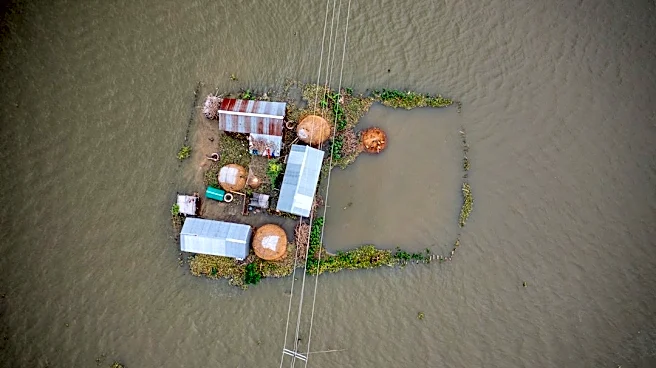
Governor Michelle Lujan Grisham of New Mexico has formally requested that President Trump declare a major disaster for the severe flooding that occurred in northern New Mexico from October 22-30, 2026. This request aims to secure federal financial assistance
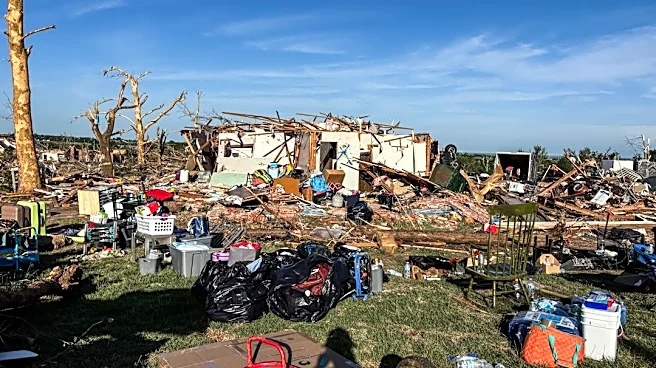
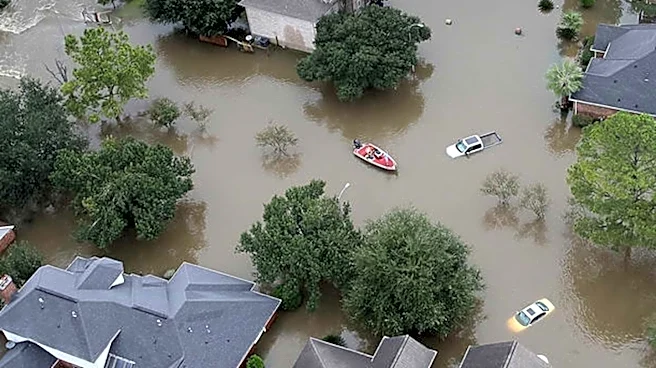
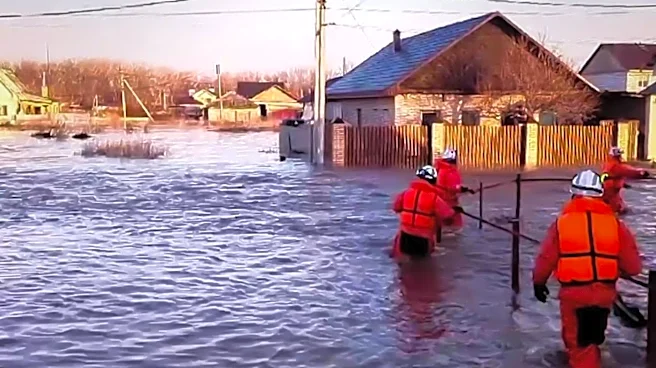
for residents and reimbursement for state and local flood response efforts. The declaration, if approved, would allow residents in San Juan, Cibola, Socorro, and Santa Fe counties, as well as Acoma and Laguna pueblos, to apply for federal aid for home repairs, rent, and temporary housing. Additionally, the state is seeking reimbursement for debris removal, emergency response costs, and repairs to public infrastructure in San Juan, Cibola, Rio Arriba, Socorro, and Valencia counties, and the pueblos of Acoma and Laguna. This follows an earlier emergency declaration request on October 24, which provided direct agency assistance but did not include financial reimbursement or direct aid to families. Early assessments indicate 604 homes were damaged or destroyed, with state officials expecting this number to rise to 2,000. Road and bridge repairs are estimated to cost over $40 million, and agricultural losses are projected at nearly $42 million, bringing total damages to an estimated $200 million.
Why It's Important?
The requested major disaster declaration is crucial for New Mexico as it would unlock significant federal resources to aid in recovery from the devastating October 2026 floods. Without this declaration, many families who have lost homes and belongings would lack direct financial assistance for rebuilding their lives. The financial burden on local governments for emergency response, debris removal, and infrastructure repairs is substantial, with estimated damages exceeding $200 million, nearly the entirety of San Juan County's annual budget. Federal reimbursement would alleviate this strain, preventing potential cuts to other essential public services. Furthermore, the declaration would fund projects designed to mitigate future disaster damage, enhancing the state's resilience against increasingly frequent extreme weather events. The approval of this request would demonstrate the federal government's commitment to supporting states in times of crisis, impacting public trust and the effectiveness of disaster response mechanisms nationwide.
What's Next?
Governor Lujan Grisham is urging President Trump to approve the major disaster declaration without delay. The State Emergency Operations Center remains fully activated, with staff working continuously as more severe weather is forecasted for New Mexico in the coming days. Residents are advised to enable emergency alerts, avoid floodwaters, and secure outdoor items. The approval process for a major disaster declaration typically involves a review by the Federal Emergency Management Agency (FEMA) before a recommendation is made to the President. If approved, federal agencies would then coordinate with state and local authorities to distribute aid and manage recovery efforts. The outcome of this request will significantly influence the pace and scope of recovery for thousands of New Mexicans and the financial stability of affected counties.
Beyond the Headlines
The repeated requests for federal aid highlight a broader national challenge concerning disaster preparedness and funding in the face of escalating climate-related events. The distinction between an emergency declaration and a major disaster declaration underscores the limitations of initial federal responses, often leaving states and individuals without critical financial support. This situation could prompt a reevaluation of federal disaster aid policies, particularly regarding the speed and comprehensiveness of financial assistance for affected populations and local governments. The long-term implications include potential shifts in state and federal budgeting for disaster resilience, increased focus on climate adaptation strategies, and ongoing debates about the equitable distribution of resources to communities disproportionately affected by environmental disasters. The incident also brings to light the critical role of inter-governmental cooperation in managing large-scale crises.