




What's Happening?
Arizona is facing significant drought impacts, prompting the U.S. Department of Agriculture to issue drought disaster designations for several counties, including Graham and Greenlee. Congressman Eli Crane's office reported these designations, which aim
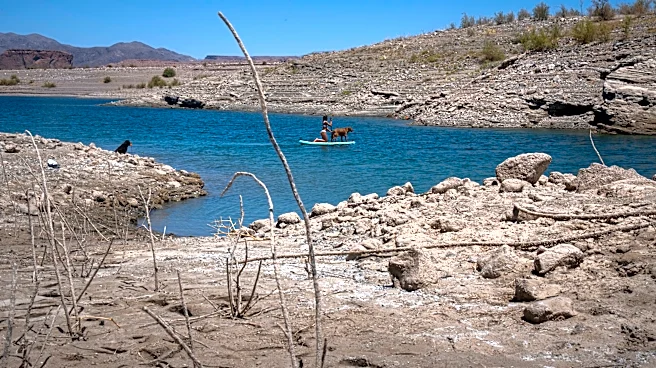
to provide assistance to affected farmers and producers. The University of Arizona Water Resources Research Center has released a toolkit for domestic well owners, focusing on well maintenance and drought planning, particularly for rural residents reliant on private wells. Additionally, tribal water rights remain a contentious issue, with the Diné water settlement stalling due to objections from several states. Cities in Arizona are implementing water conservation programs, offering rebates for water-saving improvements as Colorado River supplies become less reliable.
Why It's Important?
The drought disaster designations are crucial for Arizona's agricultural sector, providing much-needed support to farmers and producers facing severe water shortages. The ongoing drought and water scarcity issues highlight the vulnerability of the region's water resources, impacting both urban and rural communities. The stalled Diné water settlement underscores the complexities of tribal water rights and the challenges in reaching agreements that satisfy all stakeholders. The conservation efforts by cities reflect a proactive approach to managing limited water resources, which is essential for sustaining the region's growth and development. These developments have significant implications for water policy and resource management in the Southwest.
What's Next?
As drought conditions persist, further assistance and policy measures may be necessary to support affected communities and industries. The resolution of tribal water rights disputes will require continued negotiation and collaboration among states and tribal entities. Cities will likely continue to expand and promote water conservation initiatives to mitigate the impact of reduced water availability. The effectiveness of these measures will depend on ongoing monitoring and adaptation to changing environmental conditions. Stakeholders, including government agencies, tribal leaders, and local communities, will need to work together to develop sustainable water management strategies.
Beyond the Headlines
The water shortage issues in Arizona and the broader Southwest region highlight the need for long-term planning and investment in water infrastructure. The situation raises ethical and cultural considerations, particularly regarding the rights and needs of indigenous communities. The emphasis on conservation and sustainable resource management reflects a shift towards more environmentally conscious policies. These developments could lead to broader changes in how water resources are allocated and managed, potentially influencing national water policy and setting precedents for other regions facing similar challenges.