


What's Happening?
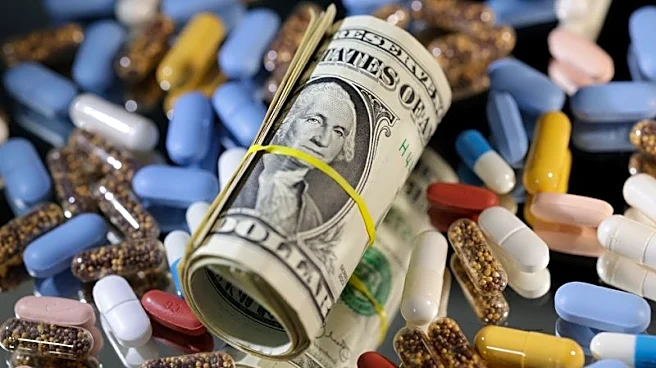
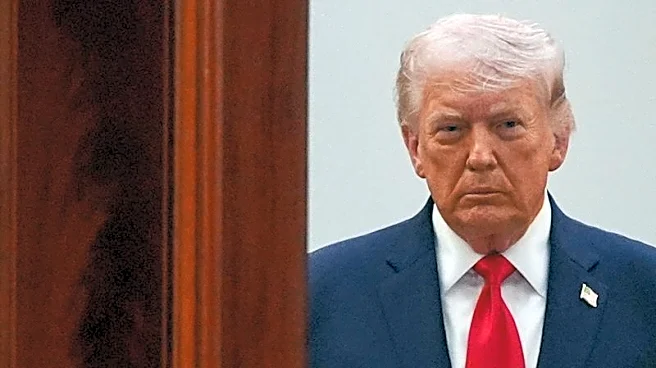
President Trump has announced a 100% tariff on branded pharmaceuticals and their active ingredients, targeting companies that have not entered into pricing agreements with the administration. The tariffs are part of an effort to lower U.S. drug prices
and encourage domestic manufacturing. Exemptions are available for generic drugs and certain specialty medications. Companies that agree to onshore production and enter pricing agreements can reduce or avoid the tariffs. The policy aims to leverage negotiations with pharmaceutical companies to align U.S. drug prices with international standards.
Why It's Important?
The tariffs are intended to address the high cost of prescription drugs in the U.S. and reduce reliance on foreign-made medications. By incentivizing domestic production, the administration seeks to secure the supply chain for critical medications. However, the policy has raised concerns about potential cost increases for consumers and the impact on smaller pharmaceutical companies. The move is part of a broader strategy to address drug pricing and strengthen U.S. manufacturing capabilities.
What's Next?
Pharmaceutical companies are expected to negotiate with the administration to secure exemptions or reduced tariffs. The policy's impact on drug prices and availability will be closely monitored, and further discussions with industry stakeholders are anticipated. The administration's approach to drug pricing and manufacturing will likely remain a significant issue in the political landscape, particularly in the context of upcoming elections.