

What's Happening?
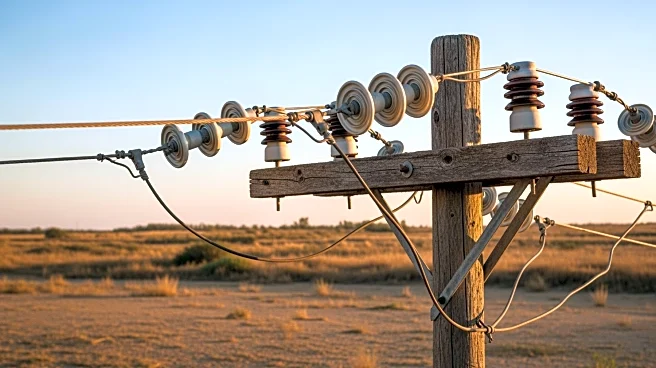
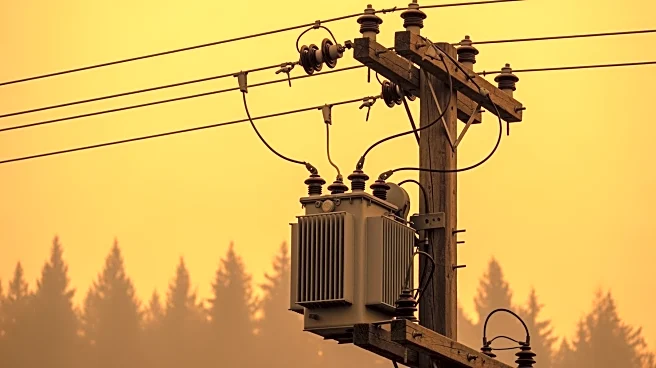
Utilities across the western United States are increasingly resorting to power shutoffs as a preventive measure against wildfires. This strategy, known as public safety power shutoffs (PSPS), is being employed in response to unusually warm and dry conditions
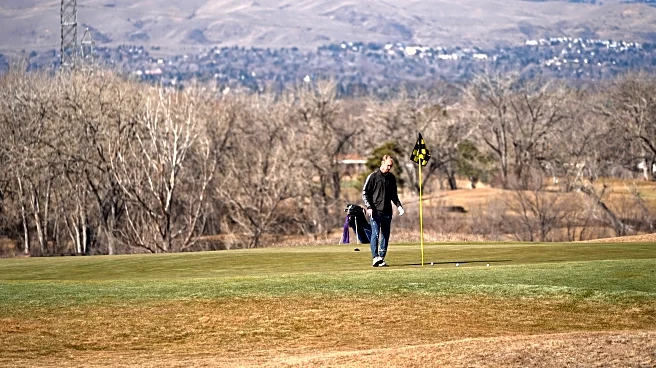
exacerbated by La Niña, which has limited rainfall and snowfall. Companies like Xcel Energy have implemented these shutoffs in areas such as Colorado, affecting over 50,000 customers. The decision to cut power is based on meteorological data and aims to prevent power lines from sparking fires during high-risk weather conditions. This approach, while unpopular, is seen as necessary to mitigate the risk of catastrophic fires, which have previously led to significant financial liabilities for utilities.
Why It's Important?
The implementation of power shutoffs highlights the growing challenge utilities face in balancing safety and service reliability. As climate conditions become more unpredictable, the risk of wildfires increases, prompting utilities to adopt measures that can prevent potential disasters. These shutoffs, while effective in reducing fire risks, can disrupt daily life and pose challenges for residents who rely on continuous power for medical and other essential needs. The strategy also underscores the financial and legal pressures on utilities to avoid liability for fires sparked by their equipment. As utilities refine their approaches, the broader implications for energy policy and infrastructure investment, such as the potential for underground power lines, become increasingly significant.
What's Next?
Utilities are likely to continue refining their PSPS strategies, incorporating advanced meteorological data and technology to make more precise decisions about when and where to cut power. The development of more sophisticated models and the potential for infrastructure upgrades, such as burying power lines, could reduce the need for widespread shutoffs. However, these solutions require significant investment and time. In the short term, utilities will need to balance the immediate need to prevent fires with the long-term goal of maintaining reliable service. Stakeholders, including government agencies and consumer advocacy groups, may push for more comprehensive solutions to address the root causes of increased fire risk.