








What's Happening?
A U.S. federal appeals court has ruled that the Federal Communications Commission (FCC) overstepped its authority in establishing the Universal Service Fund (USF) in the late 1990s. This fund, which collects approximately $9 billion annually from telecom
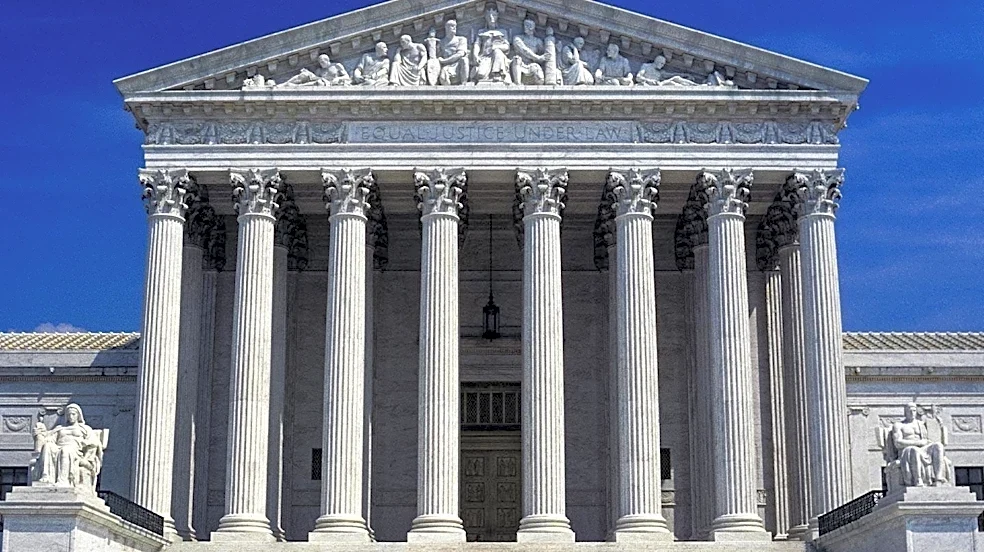
carriers, is designed to subsidize basic communications services for millions of Americans in rural and low-income areas, as well as Native American tribal lands, schools, libraries, and rural healthcare facilities. Judge Edith Brown Clement, writing for a three-judge panel of the U.S. Court of Appeals for the Fifth Circuit, stated that the FCC lacked the legal authority in 1997 to create the Universal Service Administrative Co (USAC) to collect funds and set contribution rates. The court found that Congress never specifically authorized the FCC to establish USAC, thereby violating the Government Corporation Control Act. The FCC is currently reviewing its options, and the court's order is not expected to take effect for at least two months.
Why It's Important?
This ruling has significant implications for the future of telecommunications access across the United States, particularly for underserved communities. The Universal Service Fund has been instrumental in bridging the digital divide, providing internet access and phone services to 7.5 million low-income households and allocating $4.2 billion to telecom companies for high-speed internet in hard-to-serve rural areas in 2024 alone. Additionally, it provided $7 billion over three years for internet services to 118,000 schools and libraries, benefiting 54 million students. The invalidation of the FCC's authority to manage this fund could jeopardize these critical services, potentially leaving millions without affordable access to essential communications. While the U.S. Supreme Court endorsed the FCC's funding mechanism in June 2025, overturning an earlier Fifth Circuit decision, this new ruling challenges the foundational legal authority of the USF's administrative structure.
What's Next?
The FCC is exploring all available options in response to the appeals court's decision. Given the significant impact on millions of Americans and the multi-billion dollar program, it is highly probable that the FCC will appeal this ruling. The court's order will not go into effect for at least two months, providing a window for the FCC to strategize its next steps, which could include seeking a rehearing from the Fifth Circuit or appealing to the U.S. Supreme Court. The outcome of this legal challenge will determine the long-term viability and structure of the Universal Service Fund and its ability to continue providing subsidized communication services. Stakeholders, including telecom providers, low-income households, educational institutions, and rural communities, will be closely monitoring these developments.
Beyond the Headlines
This legal challenge delves into fundamental questions of administrative law and the scope of federal agency power. The court's decision highlights the ongoing tension between congressional authorization and agency action, particularly when significant public funds and services are involved. The ruling could set a precedent for scrutinizing the historical legal foundations of other long-standing federal programs. Beyond the immediate impact on telecommunications, it underscores the importance of clear legislative mandates for agencies to establish and manage large-scale initiatives. The case also brings to light the complex interplay between different levels of the judiciary, as this Fifth Circuit decision contrasts with a previous Supreme Court endorsement of the FCC's funding mechanism, albeit on different legal grounds. The long-term implications could influence how federal agencies are structured and how their powers are defined in the future.