






What's Happening?
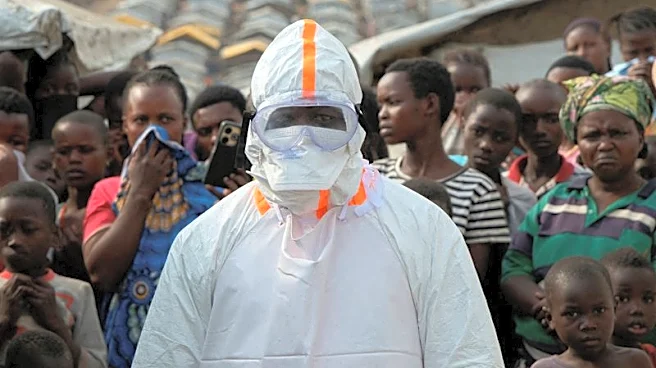
The Ebola outbreak in eastern Congo is exacerbating food insecurity in a region already facing one of the world's largest humanitarian crises. Carl Skau, acting executive director of the World Food Program (WFP), highlighted the severity of the situation
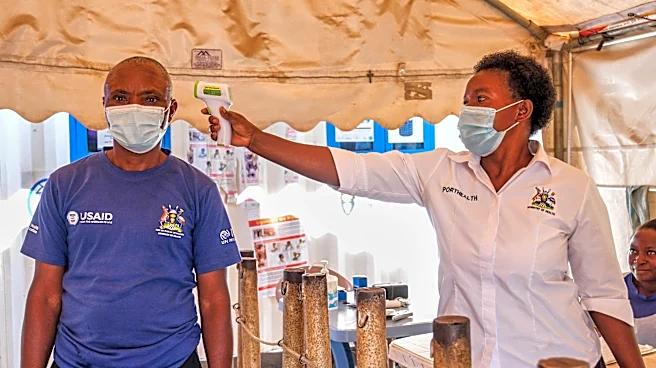
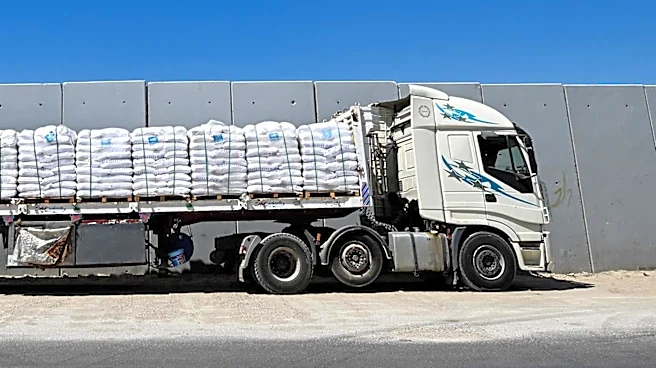
during a visit to Ituri province, where the outbreak is centered. The ongoing conflict in eastern Congo has already pushed nearly 10 million people into crisis or emergency levels of hunger, with Ituri province being one of the most affected areas. The Ebola outbreak, which has recorded 3,360 confirmed cases and 1,487 deaths since May 15, has further disrupted markets and supply routes, leading to increased food and fuel prices. The WFP has been providing hot meals to patients, contacts, and frontline workers in treatment and isolation centers to mitigate the impact.
Why It's Important?
The worsening food insecurity in eastern Congo due to the Ebola outbreak has significant implications for the region's stability and humanitarian needs. The disruption of markets and supply routes not only affects food availability but also exacerbates malnutrition, particularly among vulnerable populations such as children. The situation underscores the need for increased international support and resources to address both the health crisis and its socio-economic consequences. The WFP's call for donor support highlights the urgency of the situation, as the agency seeks to expand its food assistance programs to alleviate the pressures on affected communities.
What's Next?
The continuation of the Ebola outbreak and its impact on food security in eastern Congo will likely require sustained international attention and intervention. The WFP and other humanitarian organizations will need to coordinate efforts to ensure that food assistance reaches those most in need, while also addressing the broader challenges posed by the ongoing conflict and health crisis. The lack of approved vaccines or treatments for the Bundibugyo virus, responsible for the outbreak, complicates efforts to contain the disease, making it crucial for health officials to track and respond to new cases swiftly.