






What's Happening?
The village of Flossmoor has approved a 2.5% food and beverage tax on meals purchased at restaurants and similar establishments, set to take effect on July 1, 2026. This tax, often referred to as a 'places for eating tax,' applies to businesses selling
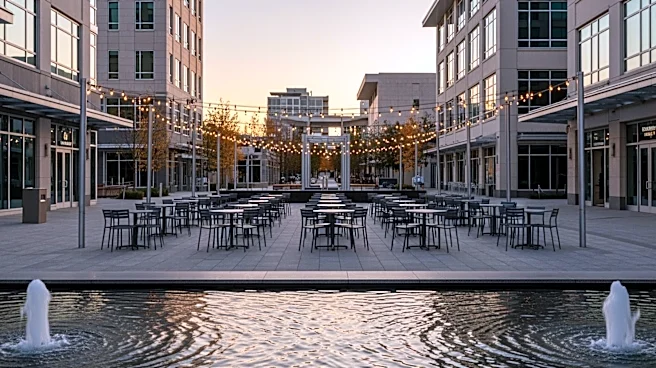
prepared food for immediate consumption, including restaurants, cafes, and bars. The tax is calculated based on gross receipts and, while imposed on business owners, may be passed on to customers. The measure aims to stabilize village finances and maintain service levels, with the tax commonly used in neighboring communities. Additionally, the village board has updated outdoor dining regulations, allowing outdoor seating from April 15 through November 1, without using parking spaces, thanks to wider sidewalks from recent downtown improvements. These measures are part of the village's fiscal year 2026-27 budget, intended to support long-term economic development.
Why It's Important?
The introduction of the dining tax and updated outdoor seating rules in Flossmoor is significant for several reasons. Economically, the tax provides a new revenue stream that can help stabilize the village's finances without solely relying on property taxes. This is particularly important as it can attract visitors who contribute to the local economy. The updated outdoor seating rules reflect a shift towards accommodating more pedestrian-friendly spaces, enhancing the dining experience and potentially increasing foot traffic in the downtown area. These changes are expected to support the vitality of Flossmoor's downtown, with restaurants playing a crucial role in the area's economic development. The measures also align with broader trends of enhancing outdoor dining options, which gained popularity during the COVID-19 pandemic.
What's Next?
As the new tax and outdoor seating rules take effect, Flossmoor businesses and residents will need to adapt to these changes. Business owners may need to adjust pricing strategies to account for the new tax, while ensuring compliance with the updated outdoor seating regulations. The village will likely monitor the impact of these measures on local businesses and the overall economy, potentially making further adjustments based on feedback and economic performance. Stakeholders, including local business owners and residents, may engage in discussions with village officials to address any concerns or suggestions for improvement. The success of these initiatives could serve as a model for other communities considering similar measures to boost economic development.