


What's Happening?
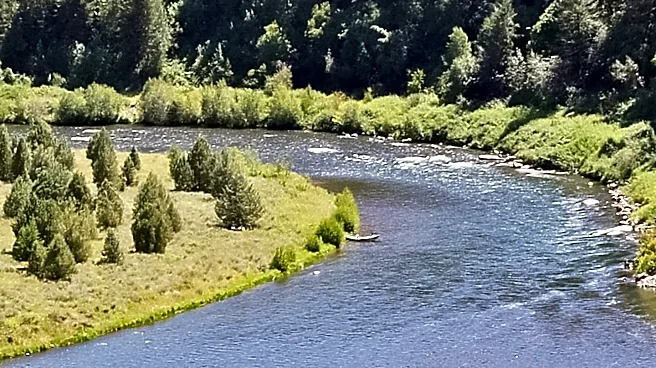
The Yakima River Basin in Washington State is serving as a model for resilience in water management, despite experiencing its fourth consecutive summer of water shortages. The region, which supports a $4.5 billion agricultural economy, faces challenges
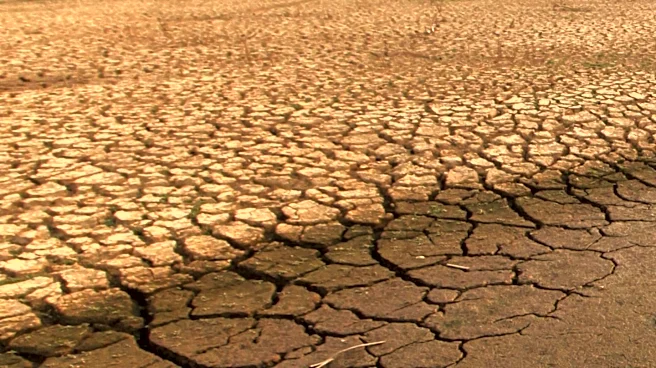
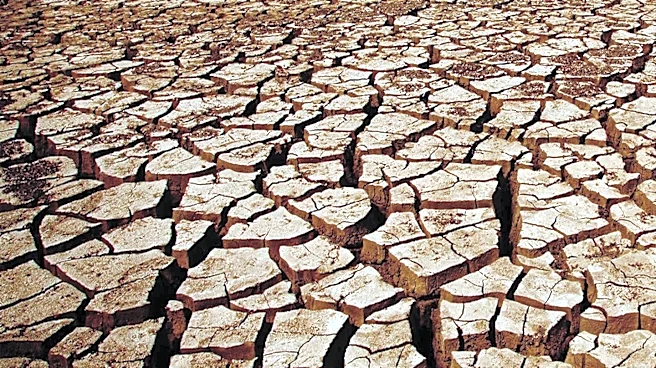
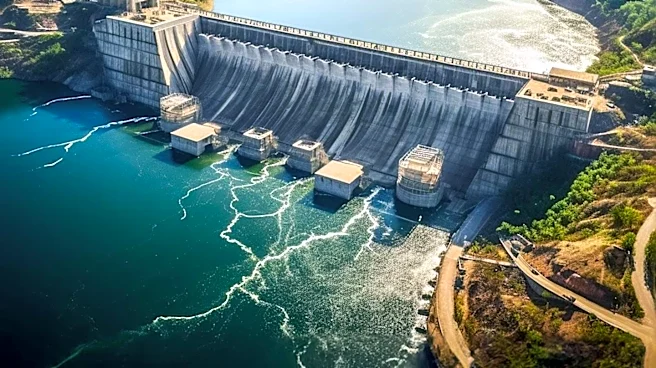
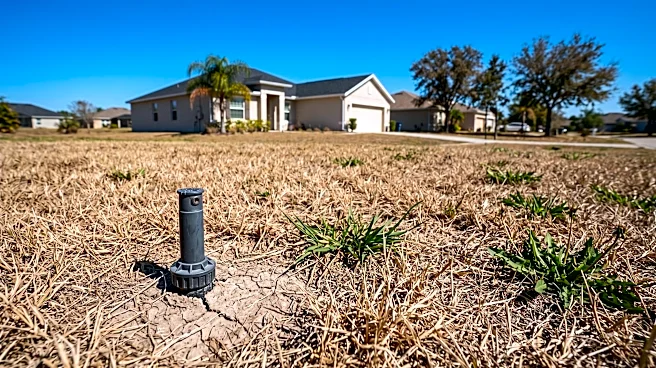
from prolonged drought, impacting farmers, fisheries, and urban areas. This year's drought occurred despite a wet winter, as warmer temperatures, exacerbated by climate change, caused precipitation to fall as rain instead of snow, resulting in only half the normal snowpack. The snowpack typically stores 60% of the water supply, gradually releasing it through summer snowmelt. The Yakima Basin Integrated Plan, a collaborative effort involving farmers, fisheries, and local governments, has been working for over a decade to balance water needs. This plan has led to innovative solutions, such as redirecting water through canal systems to support both agriculture and fish habitats, and exploring new water storage projects, including aquifer storage and recovery. The severity of the situation was highlighted by an unprecedented curtailment of all surface water use in early October a year ago, when the basin's reservoirs dropped to an all-time low of 8% capacity.
Why It's Important?
The Yakima River Basin's experience is critically important as a case study for other regions in the U.S. facing increasing water scarcity due to climate change. The basin's integrated approach demonstrates how diverse stakeholders, once adversaries, can collaborate to find sustainable solutions for water management. The shift from snow-dependent water storage to a reliance on reservoirs and alternative storage methods highlights a necessary adaptation for regions experiencing warmer winters. The economic impact on farmers, such as Brad Haberman, a fourth-generation hay farmer forced to sell land, and the Zirkle Fruit Company, risking millions in crops, underscores the severe financial consequences of drought. The ecological impact on salmon, with warm water and invasive water star grass creating toxic environments, emphasizes the threat to biodiversity. The basin's efforts to build resilience offer valuable lessons in balancing agricultural, environmental, and urban water demands in a changing climate, potentially influencing water policy and infrastructure development nationwide.
What's Next?
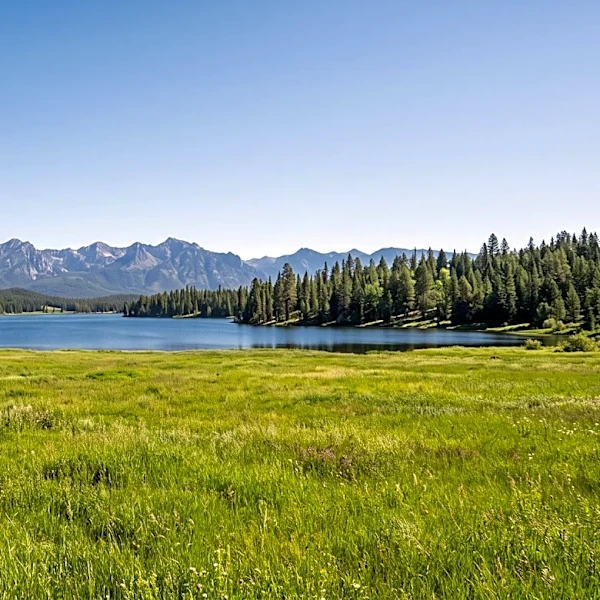
The Yakima River Basin is actively pursuing several initiatives to enhance water storage and management. These include the development of more than half a dozen underground aquifer storage and recovery projects, with two already operational. Work is also underway to increase the capacity of the Cle Elum Lake reservoir, expected to be completed by 2028. A significant project involves the Springwood Ranch site, where feasibility studies are ongoing for a new reservoir capable of storing up to 100,000 acre-feet of water, fed by canals from the Kittitas Reclamation District. This project, estimated to take at least a decade to build, aims to capture winter runoff that would otherwise cause flooding. Local communities are also implementing conservation measures, such as Ellensburg's 'Let Your Lawn Go Blonde' campaign, to reduce peak summer water demand. These efforts reflect a long-term commitment to adapting to increased water shortages and ensuring the survival of both the agricultural economy and the ecosystem.
Beyond the Headlines
The Yakima River Basin's journey towards water resilience reveals deeper societal and ethical considerations. The shift in water rights and the economic pressures on farmers, leading to land sales and potential bankruptcies, highlight issues of equity and the future of agricultural communities. The increasing value of land due to housing development, coupled with rising property taxes, creates a challenging environment for farmers, potentially leading to a loss of agricultural land. The collaborative model of the Yakima Basin Integrated Plan, bringing together diverse interests, offers a blueprint for conflict resolution and shared governance in resource management. This situation also underscores the critical role of indigenous communities, like the Yakama Nation Fisheries, in advocating for environmental protection and treaty rights. The long-term implications involve a redefinition of regional identity, moving towards a more sustainable and integrated approach to living with water scarcity, and fostering a sense of collective responsibility for environmental stewardship.