





What's Happening?
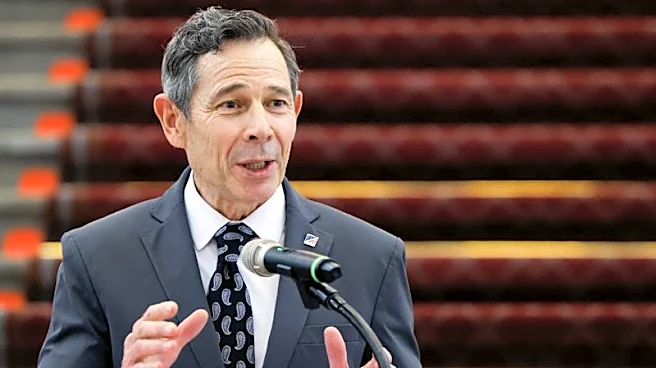
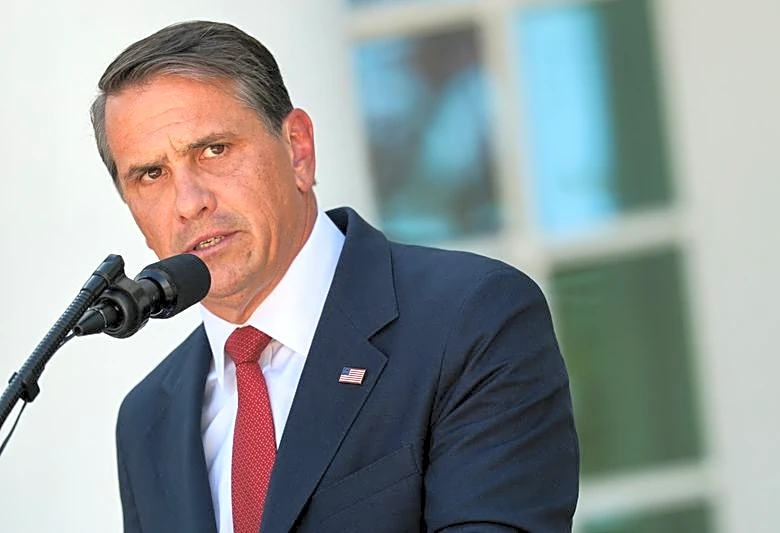
U.S. Representative Ron Estes, who has served in Congress for nine years, is facing criticism for not holding an in-person town hall meeting without an entrance fee since September 2017. This information highlights a significant period during his tenure
where direct, accessible public engagement has been absent. The lack of such forums can limit constituents' ability to directly question their representative on policy matters, voice concerns, and receive immediate feedback in an open setting. Town halls are traditionally seen as a vital component of democratic representation, fostering transparency and accountability between elected officials and the public they serve. The reported duration without these accessible meetings suggests a shift in his engagement strategy, potentially favoring other forms of communication or more exclusive events.
Why It's Important?
The absence of open, in-person town halls by a long-serving congressional representative like Ron Estes carries significant implications for democratic accountability and constituent engagement. These forums are crucial for direct dialogue, allowing citizens to express their views and hold their elected officials directly accountable for their actions and policy decisions. When such opportunities are limited or require an entrance fee, it can create barriers to participation, potentially disenfranchising constituents who cannot afford the fee or who rely on these public settings to interact with their representative. This situation could lead to a perception of reduced transparency and responsiveness from the representative's office, potentially eroding public trust and hindering the free flow of information between the government and its citizens. It also raises questions about the accessibility of political discourse and whether all constituents have an equal opportunity to engage with their elected officials.
What's Next?
The ongoing criticism regarding Representative Estes's lack of open town halls may prompt increased calls from constituents and advocacy groups for more accessible public engagement. This pressure could manifest in various forms, including organized public appeals, media scrutiny, or challenges from political opponents in future election cycles. Representative Estes might face decisions on whether to alter his current engagement strategy to address these concerns, potentially by scheduling free, in-person town halls or increasing other forms of public outreach. His response to this criticism will likely influence public perception and could become a significant factor in his political standing. The situation also highlights a broader discussion about the evolving nature of constituent relations and the expectations placed upon elected officials in maintaining direct communication with their electorate.
Beyond the Headlines
The issue of elected officials holding accessible town halls extends beyond individual representatives and touches upon the fundamental principles of representative democracy. The trend of limiting or charging for access to such events can contribute to a growing disconnect between elected officials and the general public, potentially fostering a sense of alienation among constituents. This dynamic can undermine the perceived legitimacy of political processes and institutions. Furthermore, it raises questions about the role of financial barriers in political participation and whether such practices inadvertently favor certain segments of the population. The long-term implications could include a decline in civic engagement, increased political polarization, and a weakening of the direct feedback mechanisms essential for a healthy democracy. It also prompts a re-evaluation of what constitutes effective and equitable representation in the modern political landscape.