
What's Happening?
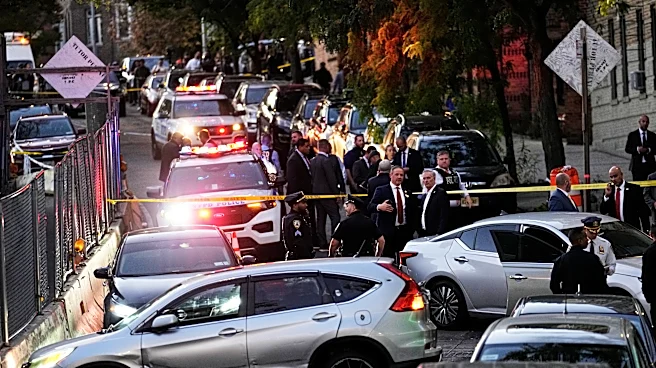
A federal judge in Manhattan, U.S. District Judge J. Paul Oetken, has issued an order preventing the government from deporting Oscar Belgal, a 28-year-old man who was shot by an ICE officer in Marble Hill.
The order also prohibits moving Belgal outside New York City, Long Island, the lower Hudson Valley, and New Jersey while his habeas petition is being heard. This decision does not determine the legality of the shooting or Belgal's detention but temporarily settles the question of his location and the court jurisdiction for his case. Belgal's lawyers filed a petition claiming ICE arrested him without a warrant, did not initiate removal proceedings with a Notice to Appear, and that the shooting, which occurred with his 5-year-old son in the car, violated his due process rights. The government stated Belgal was moved out of state due to his 'lengthy criminal history and known fleeing,' and he has been transferred multiple times between New Jersey and Brooklyn facilities.
Why It's Important?
This judicial order highlights a critical aspect of federal habeas law, which ties a detainee's case to their physical location. ICE's routine practice of transferring detainees between facilities and states can significantly impact where and how their cases are heard. For individuals in immigration custody, the timing of a habeas petition filing relative to a transfer can determine whether their case is heard in a jurisdiction where family and witnesses are accessible or hundreds of miles away. This case, therefore, serves as a visible example of the strategic importance of a detainee's location in challenging their detention. The ruling also underscores the ongoing tension between the government's broad discretion in holding immigration detainees and the rights of individuals to challenge their custody in a timely and accessible manner. The outcome of Belgal's petition could set a precedent for how future detention challenges are handled, particularly in cases involving disputed arrests and transfers.
What's Next?
Several key developments are anticipated in the Oscar Belgal case. First, a ruling on venue is expected, which will determine which district court will retain jurisdiction over the habeas petition based on Belgal's location when it was filed. Second, the government is expected to respond to the claims regarding the absence of a warrant and a Notice to Appear, which will clarify the removal process DHS intends to use. Third, any potential federal criminal charges related to the alleged ramming of ICE vehicles could introduce a separate legal track for the shooting incident. Finally, the release or withholding of ICE body-camera footage is a crucial factor, as it is considered the most direct evidence to clarify the events surrounding the shooting. Immigration Analytics will continue to monitor and update the story as court filings, charging decisions, and footage become available.
Beyond the Headlines
The case of Oscar Belgal extends beyond the immediate legal proceedings, touching upon deeper implications concerning immigration enforcement, due process, and the transparency of government actions. The dispute over Belgal's location and the jurisdiction of his habeas petition highlights the systemic challenges faced by detainees and their legal representatives when ICE exercises its broad authority to transfer individuals. This situation raises questions about equitable access to justice, as frequent transfers can impede a detainee's ability to consult with legal counsel, gather evidence, and maintain contact with their support networks. Furthermore, the controversy surrounding the shooting and the potential release of body-camera footage underscores the ongoing public demand for accountability and transparency from law enforcement agencies, particularly in incidents involving the use of force. The case could influence future policies regarding detainee transfers and the disclosure of evidence in immigration-related incidents, potentially leading to greater scrutiny of ICE's operational practices.