





What's Happening?
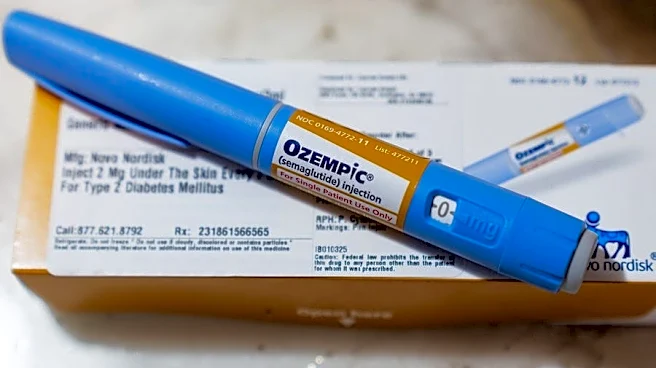
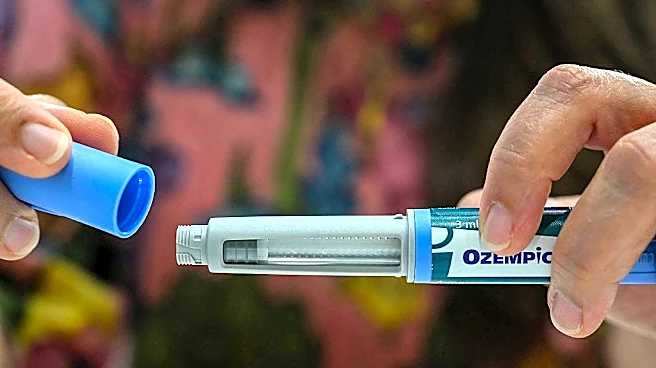
A recent study presented at the annual meeting of the Association of Anaesthetists of Great Britain and Ireland indicates that patients taking GLP-1 medications, such as Ozempic and Wegovy, may face an increased risk of regurgitation during or after surgery.
These drugs, which are popular for weight loss and diabetes management, slow down digestion, meaning food can remain in the stomach longer than usual. The study, which examined the medical records of 47,039 adults undergoing procedures in the UK, found that GLP-1 users were approximately 11 times more likely to experience regurgitation compared to non-users. While most cases occurred as patients woke from anesthesia, some happened during surgery. Critically, two cases progressed to aspiration, where stomach contents are inhaled into the lungs, a potentially dangerous complication that can lead to severe lung damage, breathing problems, and even respiratory failure. The researchers noted that nearly one-third of GLP-1 users in the study had been advised to stop the medication eight to 14 days before surgery, but newer evidence suggests this may not be sufficient time for the drugs' effects on stomach emptying to fully wear off.
Why It's Important?
This finding has significant implications for surgical protocols and patient safety in the U.S. healthcare system. With an estimated one in eight U.S. adults taking GLP-1 medications in late 2025, and projections indicating over 30 million users by 2030, the potential for increased surgical complications is a growing concern. Anesthesiologists and surgeons will need to adapt pre-operative guidelines to mitigate this risk, potentially requiring longer fasting periods or alternative pre-surgical preparations for GLP-1 users. The study also highlights a communication challenge, as over 40% of GLP-1 users in the UK study obtained their medications outside traditional prescribing routes, meaning healthcare providers may not always be aware of a patient's GLP-1 use. This necessitates improved patient disclosure and more thorough medication reconciliation processes to ensure patient safety. The serious consequences of aspiration, including lung damage and respiratory failure, underscore the urgency of addressing this issue to prevent adverse surgical outcomes.
What's Next?
The study authors are calling for additional research to identify effective strategies for reducing the risk of aspiration in GLP-1 users undergoing surgery. This will likely involve investigating optimal pre-operative fasting durations and potentially developing new protocols for managing these patients. Healthcare providers will need to enhance patient education regarding the importance of disclosing all medications, including GLP-1s, before any surgical procedure. There may also be a push for more standardized guidelines from medical organizations on how to manage GLP-1 users in the perioperative period. As the use of GLP-1 drugs continues to expand, the medical community will need to proactively address these safety concerns to ensure that the benefits of these medications are not overshadowed by preventable surgical complications. This could lead to changes in pre-surgical screening questionnaires and increased vigilance during anesthesia administration for patients on these drugs.
Beyond the Headlines
Beyond the immediate surgical risks, this research touches upon broader issues within the rapidly evolving pharmaceutical landscape and patient care. The widespread adoption of GLP-1s, often obtained through diverse channels, highlights a potential disconnect between prescribing practices and comprehensive patient medical records. This could lead to challenges in holistic patient management, especially when individuals transition between different healthcare settings or providers. The findings also underscore the dynamic nature of medical knowledge; as new medications gain popularity, unforeseen interactions and side effects in specific contexts, like surgery, emerge. This necessitates continuous research, adaptation of medical guidelines, and robust communication channels between patients and their healthcare teams to ensure optimal safety and care in an increasingly complex medical environment. The ethical implications of patient non-disclosure, whether intentional or unintentional, also come to the forefront, emphasizing the need for trust and transparency in the patient-provider relationship.