

What's Happening?
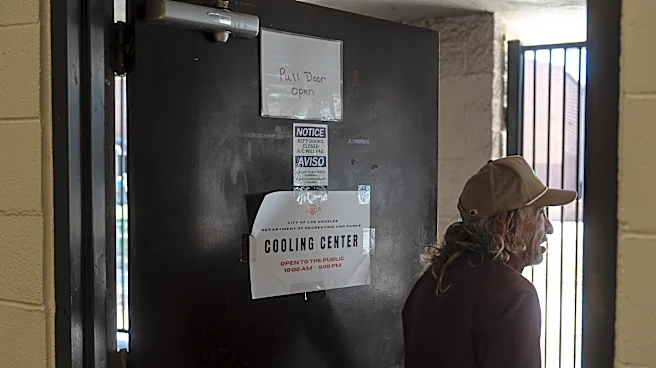
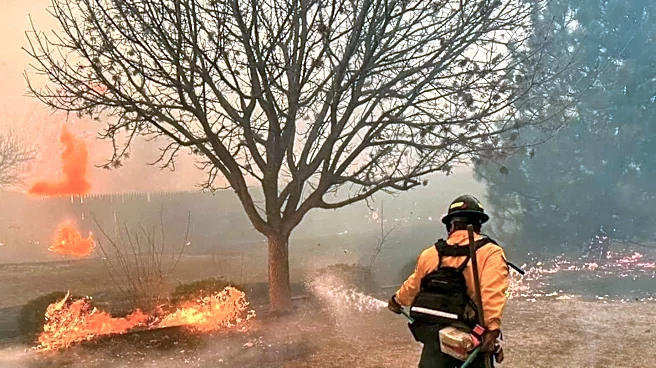
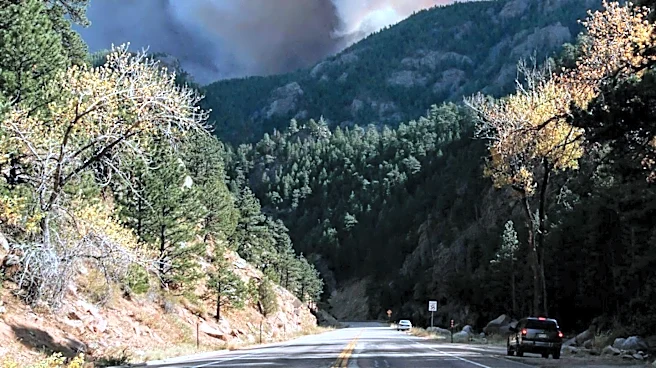
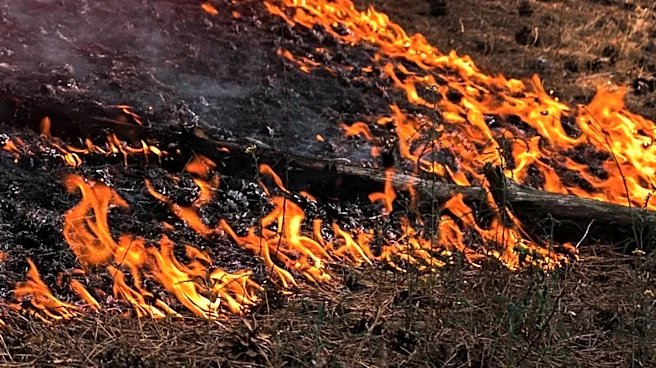
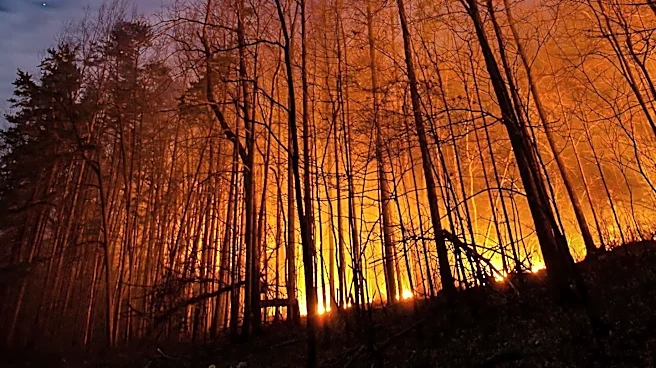
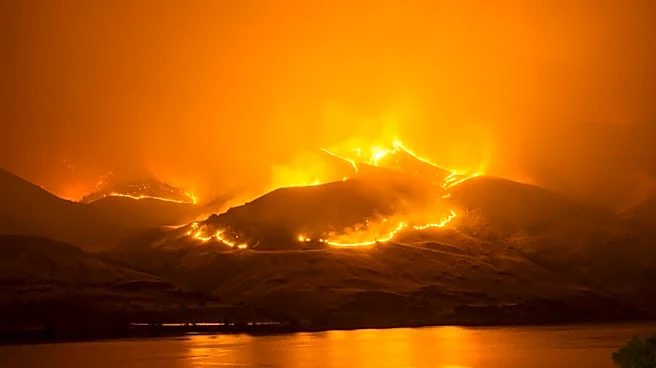
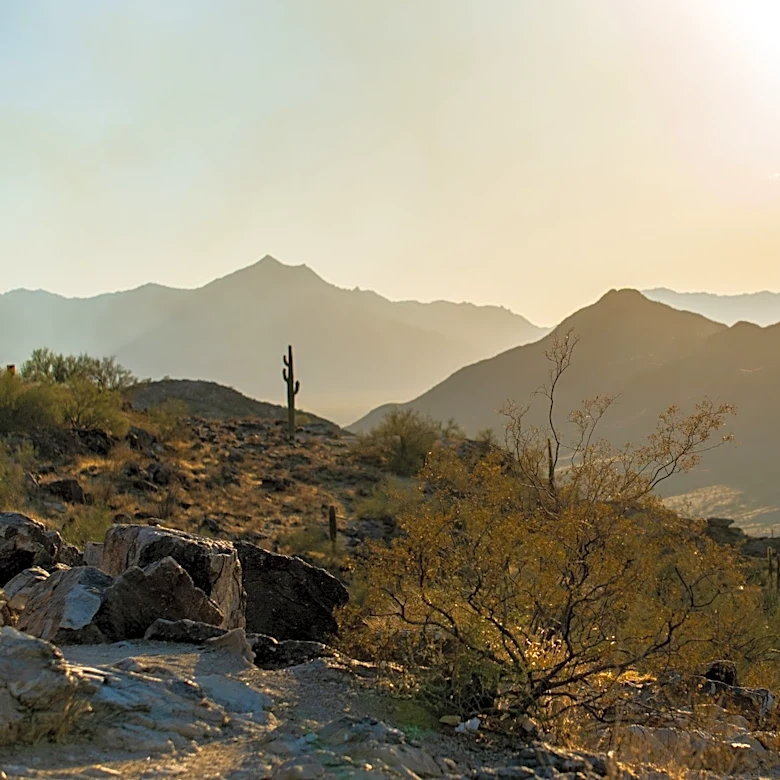
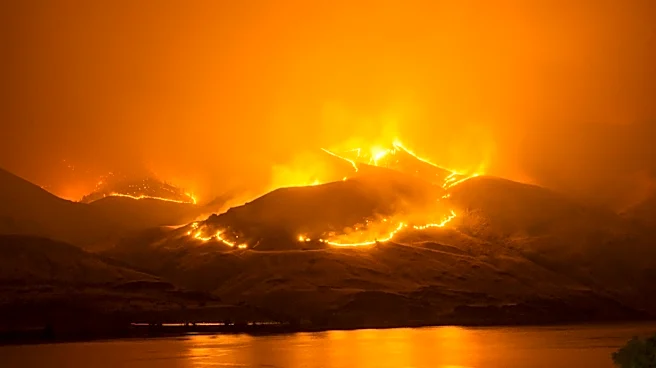
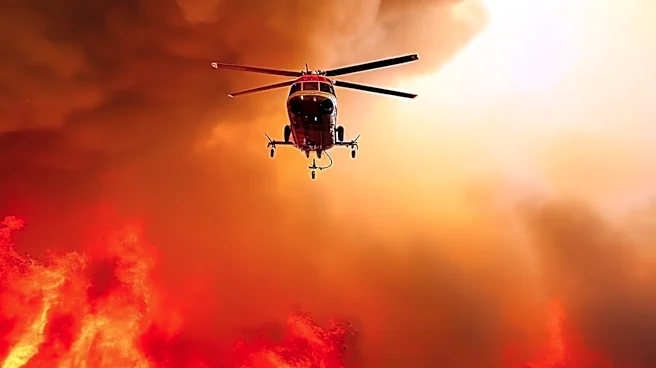
A severe heatwave is affecting the western United States, significantly increasing the risk of wildfires, particularly in Oregon and Washington. The National Weather Service has issued warnings for high temperatures, with forecasts predicting highs of 110F
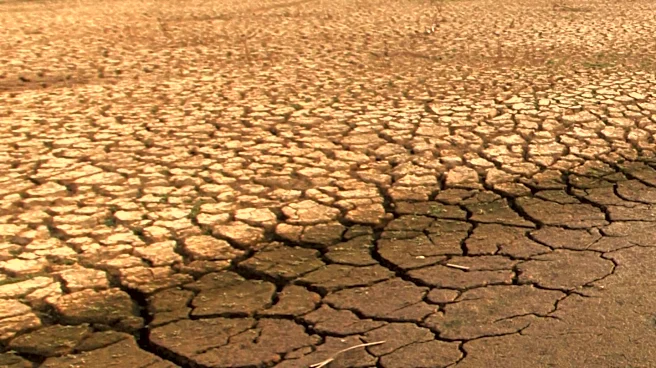
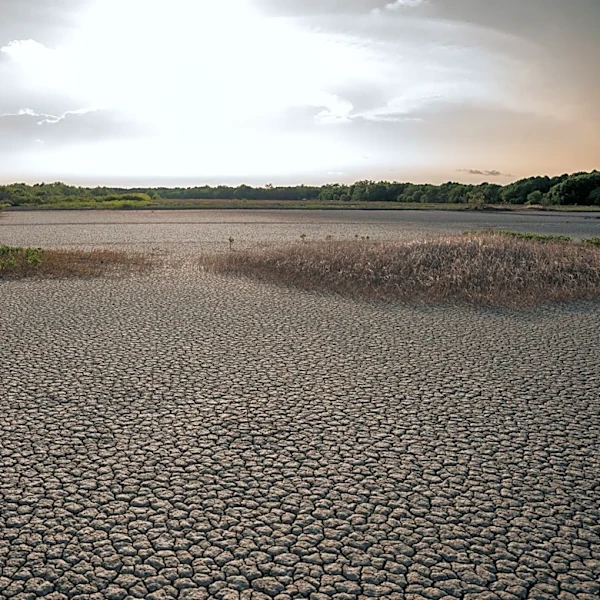
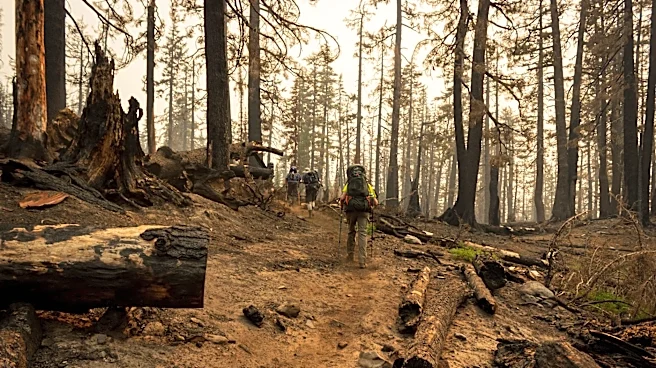
to 120F in the southwest and 90s in the Pacific Northwest. The combination of low humidity, strong winds, and ongoing drought conditions has led to a 'particularly dangerous situation' in eastern Oregon. Washington has already experienced over 1,000 fires, burning approximately 425,000 acres. The state is facing a drought due to insufficient snowpack, which has reduced water availability from snowmelt.
Why It's Important?
The heatwave and resulting wildfires highlight the challenges posed by climate change, particularly in regions already experiencing drought. The situation is straining firefighting resources and could lead to significant economic and environmental damage. The fires threaten communities, infrastructure, and natural habitats, with potential long-term impacts on local economies and public health. The crisis underscores the need for comprehensive climate adaptation strategies and improved resource management to mitigate the effects of extreme weather events.
What's Next?
In response to the heightened fire risk, Washington Governor Bob Ferguson has temporarily banned outdoor burning through September. Firefighting efforts will continue to focus on containment and prevention of new fires. Authorities may need to implement additional measures to protect vulnerable communities and critical infrastructure. The situation could prompt further discussions on climate policy and resource management at both state and federal levels. Long-term strategies may include investments in water conservation, forest management, and renewable energy to reduce reliance on fossil fuels.