








What's Happening?
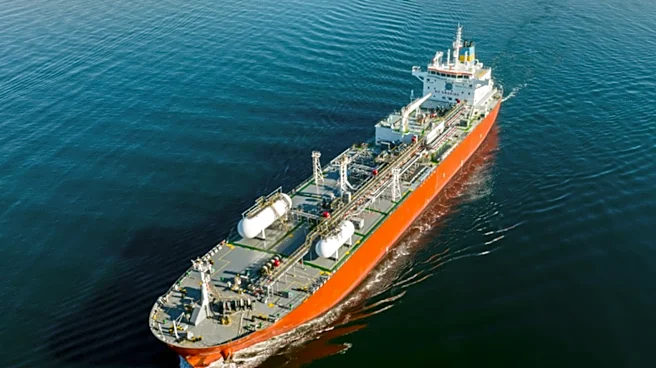
Recent satellite imagery has revealed significant advancements in Russia's Arctic infrastructure, highlighting a strategic expansion in the region. This development includes the growth of liquefied natural gas (LNG) facilities and an increase in shipping
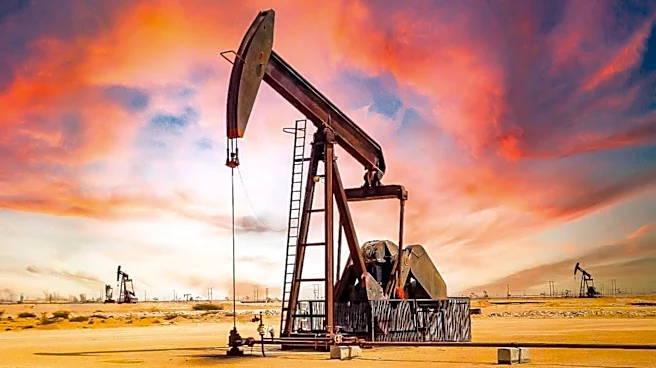
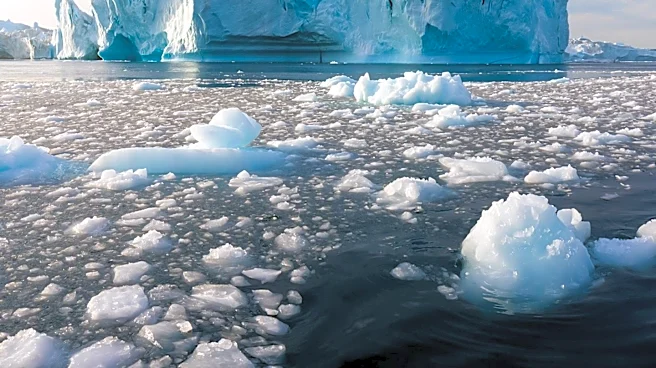
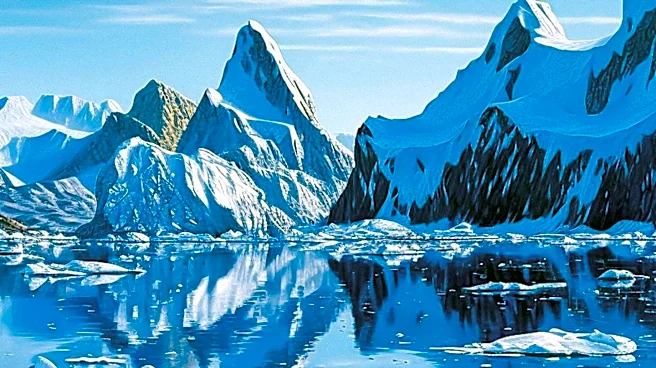
traffic along the Northern Sea Route. Russia's efforts have transformed the Arctic into a bustling hub for energy exports and military operations. In contrast, the United States has struggled to keep pace, with aging infrastructure and a reduced military presence in the region. The Arctic's strategic importance is growing due to its vast reserves of oil, gas, and critical minerals, as well as new shipping routes made accessible by melting ice.
Why It's Important?
The Arctic's geopolitical significance is increasing as countries vie for control over its resources and strategic routes. Russia's advancements in the region pose a challenge to U.S. interests, potentially shifting the balance of power. The U.S. must address its infrastructure and military capabilities to remain competitive. This situation has implications for global energy markets, as the Arctic's resources become more accessible. The U.S. needs to enhance its presence to safeguard its interests and ensure stability in the region, which is crucial for maintaining global energy security and geopolitical balance.
What's Next?
The U.S. is expected to ramp up efforts to bolster its Arctic presence, potentially through increased investment in infrastructure and military capabilities. This may involve modernizing icebreakers, enhancing military installations, and fostering international cooperation to counterbalance Russia's influence. The outcome of these efforts will be critical in determining the future geopolitical landscape of the Arctic. Stakeholders, including policymakers and industry leaders, will need to collaborate to develop a comprehensive strategy that addresses both economic and security concerns.