






What's Happening?
Ursula K. Le Guin, a prominent author of speculative fiction, channeled her environmentalism and experiences in California into her influential works. Born in Berkeley, California, Le Guin spent her summers in Napa Valley, where her family hosted Native
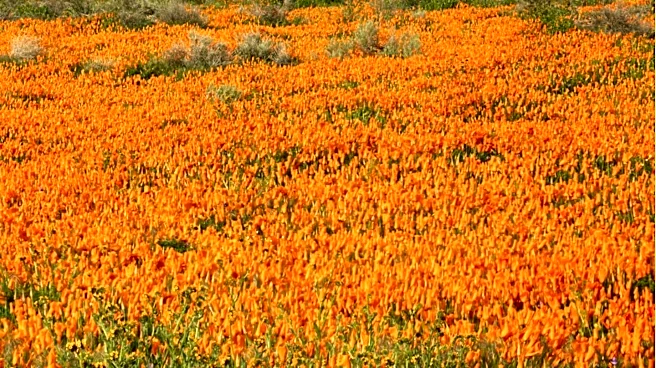
friends and collaborators. Her father, Alfred Kroeber, founded the UC Berkeley anthropology department, and her mother, Theodora, authored the bestseller 'Ishi in Two Worlds'. Le Guin's academic background includes degrees from Radcliffe and Columbia, followed by a Fulbright Fellowship in Paris. After returning to the U.S. and settling in Portland, she dedicated herself to writing and raising her children. Her novels, such as 'A Wizard of Earthsea' (1968), 'The Left Hand of Darkness' (1969), and 'The Word for World is Forest' (1972), consistently explore themes of ecology, pacifist anarchism, and anti-war sentiments. Le Guin's connection to the landscapes of California and Oregon profoundly influenced her world-building, with transformed versions of these regions appearing in her imagined settings.
Why It's Important?
Le Guin's work is significant for its pioneering integration of environmental themes with speculative fiction, influencing generations of writers and readers. Her exploration of complex ecological systems and their interaction with human societies provided a critical lens through which to examine environmental ethics and sustainability long before these topics became mainstream. By rooting her fantastical worlds in the familiar yet transformed landscapes of California and Oregon, Le Guin made abstract environmental concerns tangible and relatable. Her narratives often challenged anthropocentric views, emphasizing the interconnectedness of all living things and the environment. This perspective fostered a deeper appreciation for ecological balance and served as a critique of destructive human practices, making her work particularly relevant in contemporary discussions about climate change and environmental stewardship. Her influence extends beyond literature, shaping discussions in environmental studies and social justice.
What's Next?
The ongoing study and re-evaluation of Ursula K. Le Guin's extensive body of work will likely continue to highlight her foresight in addressing environmental issues. Academic institutions and literary critics are expected to further explore the ecological dimensions of her fiction, especially as climate change impacts become more pronounced. Her novels may see renewed interest as source material for adaptations that can bring her environmental messages to new audiences. Furthermore, her writings could serve as foundational texts for discussions on eco-criticism and speculative fiction's role in envisioning sustainable futures. Her legacy will continue to inspire writers and activists to use storytelling as a tool for environmental advocacy and social commentary, ensuring her ideas remain pertinent in evolving global conversations.
Beyond the Headlines
Le Guin's deep connection to the natural world, particularly the landscapes of the American West, offers a profound insight into how personal geography can shape artistic vision. Her ability to weave complex philosophical and ethical questions into engaging narratives demonstrates the power of fiction to explore societal challenges. The influence of her parents' anthropological work is evident in her nuanced portrayals of diverse cultures and social structures, often critiquing colonialism and exploitation. Her pacifist anarchist feminism, embedded in her stories, provides alternative models for governance and social organization that prioritize harmony with nature and equality. This holistic approach to world-building, where environment, society, and individual identity are inextricably linked, encourages readers to consider the ethical implications of human actions on a global and ecological scale, fostering a more critical and empathetic understanding of our place in the world.