


What's Happening?
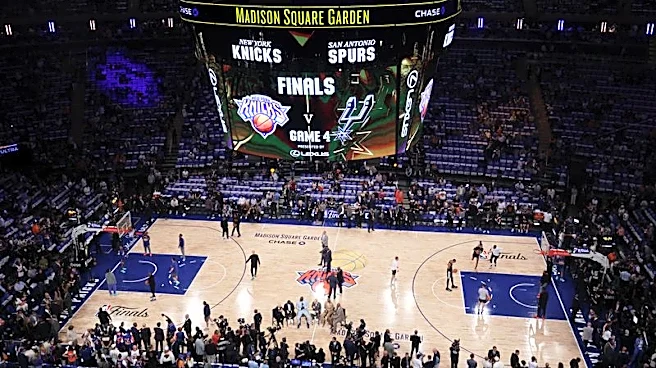
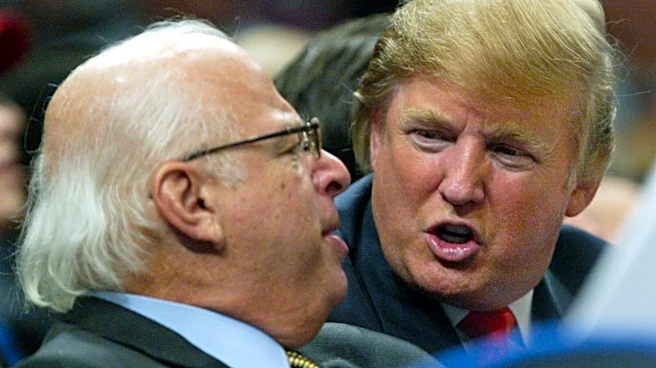
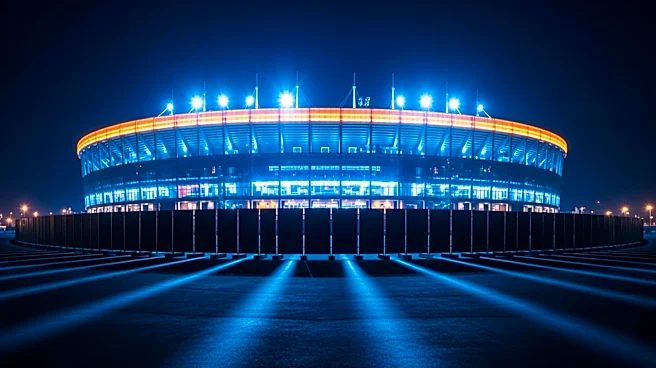
The New York Police Department (NYPD) has announced the closure of several blocks around Madison Square Garden (MSG) for Game 4 of the NBA Finals. This decision follows a similar 'secure zone' implemented during Game 3, which was attended by President
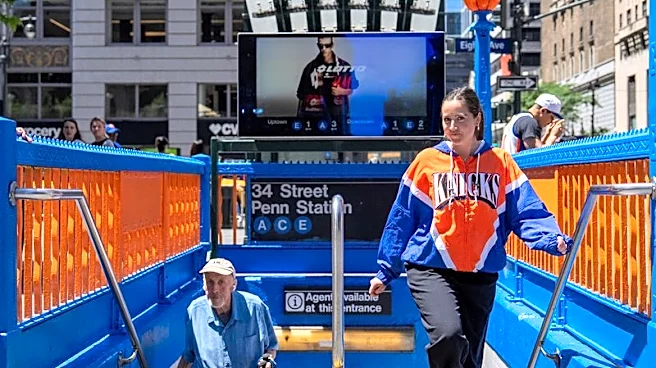
Trump. The area affected spans from West 29th Street to West 35th Street between 6th Avenue and 8th Avenue. Only individuals attending the game, visiting nearby restaurants or bars, or traveling through the train station will be allowed entry, subject to screening. The closure aims to ensure public safety, as previous events saw disturbances, including fights and confrontations with police. The NYPD's actions have sparked criticism from MSG Sports, which argues that the restrictions negatively impact local businesses reliant on game-day crowds.
Why It's Important?
The NYPD's decision to enforce a secure zone around MSG highlights the ongoing tension between public safety measures and the economic interests of local businesses. The restrictions, while intended to prevent disturbances, have drawn criticism for potentially stifling the celebratory atmosphere and affecting small businesses that depend on the influx of fans. This situation underscores the challenges cities face in balancing security with economic vitality, especially during high-profile events. The criticism from MSG Sports and the subsequent cancellation of a planned watch party reflect broader concerns about the impact of such measures on community engagement and local commerce.
What's Next?
As the NBA Finals continue, the NYPD's security measures are likely to remain a point of contention. Stakeholders, including city officials, MSG Sports, and local businesses, may engage in discussions to find a compromise that ensures safety while supporting economic activity. The outcome of these discussions could influence future security protocols for large-scale events in New York City. Additionally, the public's response to these measures may shape how similar situations are handled in the future, potentially leading to revised strategies that better accommodate both safety and economic considerations.