







What's Happening?
The U.S. Department of Agriculture (USDA) has proposed significant amendments to the Agricultural Foreign Investment Disclosure Act of 1978 (AFIDA), aiming to broaden the scope of foreign ownership reporting requirements for U.S. agricultural land. A key
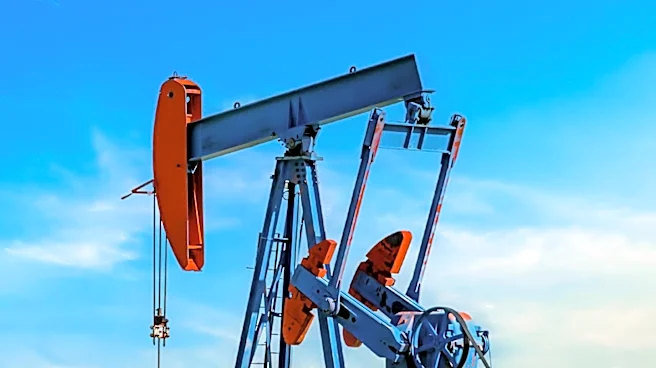
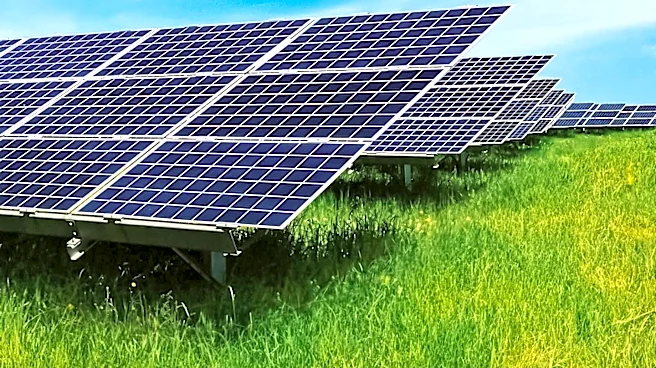
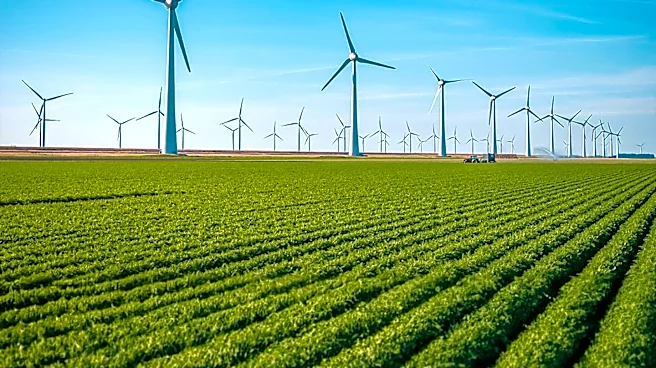
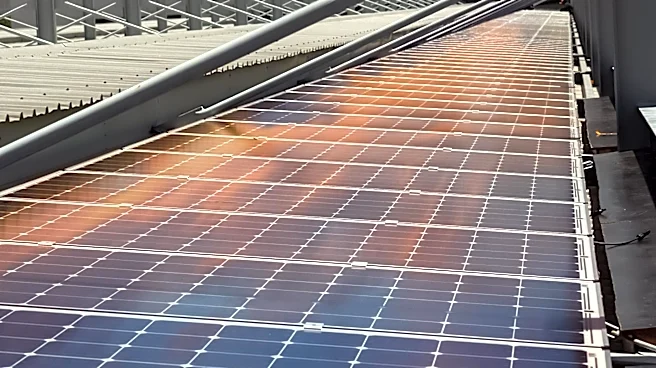
change is the expansion of the definition of 'agricultural land' to encompass land utilized for wind, solar, and pipeline projects. The proposed rule also seeks to lower the aggregate foreign ownership reporting threshold from 50% to 10% and reduce the exemption for agricultural land leaseholds from ten years or less to one year or less. Additionally, the USDA intends to increase the amount of information required for disclosure, including tax identification numbers, foreign passport details, and geospatial facility maps. Penalties for non-compliance would escalate significantly, potentially reaching up to 25% of the fair market value of the foreign owner’s interest for each week of violation per project. Oversight of AFIDA reporting was transferred from the USDA Farm Service Agency to the USDA’s Office of Homeland Security in April 2026, a move that would be formalized by this rule, potentially leading to more aggressive enforcement. The public comment period for these proposed changes concluded on August 10, 2026.
Why It's Important?
These proposed changes by the USDA carry substantial implications for U.S. industries, particularly the renewable energy and pipeline sectors, as well as for foreign investment in the country. By including land used for wind, solar, and pipeline projects under the 'agricultural land' definition, a wide array of existing and future infrastructure projects with foreign investment and long-term land leases will be subject to new reporting obligations. This expansion could significantly increase compliance burdens for developers, lenders, and investors, requiring them to integrate foreign ownership analysis into their due diligence processes much earlier in project development. The lowered ownership threshold and reduced leasehold exemption mean more foreign entities will be required to report, potentially slowing down transactions and making some foreign investors more hesitant due to increased disclosure requirements, including sensitive personal information. The industry response has been largely critical, with concerns that these rules could deter foreign investment in critical U.S. infrastructure projects. The shift in oversight to the Office of Homeland Security also signals a heightened focus on national security implications related to foreign land ownership, which could lead to more stringent enforcement and scrutiny of foreign-backed projects.
What's Next?
Following the close of the public comment period on August 10, 2026, the USDA will review the feedback received from industry stakeholders, legal experts, and the public. The agency will then decide whether to finalize the proposed rule as is, modify it based on the comments, or withdraw it. If the rule is finalized, companies involved in renewable energy and pipeline projects with foreign investment will need to immediately adapt their compliance strategies. This will involve updating due diligence procedures to account for the expanded definition of agricultural land, the lower ownership threshold, and the increased disclosure requirements. For existing infrastructure, gathering the newly mandated information within the 90-day reporting window could pose significant logistical challenges. Furthermore, AFIDA compliance will become an ongoing responsibility, requiring continuous monitoring and reporting whenever ownership or project relationships change. The industry will likely continue to advocate for modifications to the rule, particularly regarding the scope of 'agricultural land' and the potential chilling effect on foreign investment, especially in the renewable energy sector which often relies on international capital.
Beyond the Headlines
The USDA's proposed rule extends beyond mere reporting requirements, touching upon deeper issues of national security, economic policy, and the balance between attracting foreign investment and protecting domestic interests. The inclusion of renewable energy and pipeline projects under 'agricultural land' reflects a growing concern about foreign control over critical infrastructure and resources, even if indirectly. This move could set a precedent for how the U.S. government views and regulates foreign investment across various sectors, potentially leading to similar expansions in other areas deemed vital for national security. The increased scrutiny and disclosure requirements could also prompt a re-evaluation of investment structures and partnerships, encouraging more domestic capital or alternative financing models for U.S. projects. Ethically, the collection of sensitive personal information from foreign investors raises questions about privacy and data security. Culturally, this policy reflects a broader national conversation about sovereignty and control over land and resources, particularly in the context of globalized economies and geopolitical tensions. The long-term implications could include a shift in the landscape of foreign direct investment in the U.S., potentially favoring countries with less perceived national security risk or those willing to navigate more stringent regulatory environments.