


What's Happening?
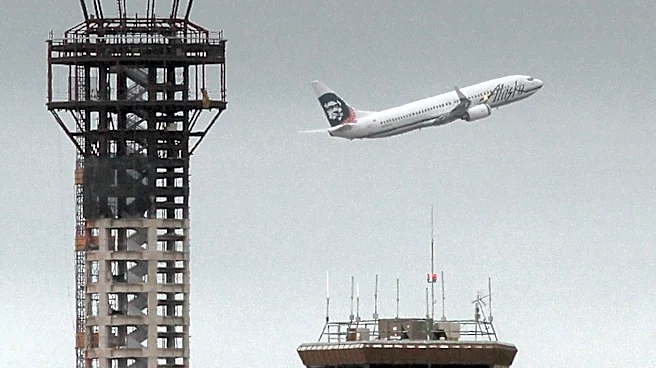
The Federal Aviation Administration (FAA) has issued a directive requiring inspections for 1,987 U.S.-registered Boeing 737 Next Generation (NG) aircraft. This mandate follows reports from airlines of "pitch oscillation events," where the aircraft's nose
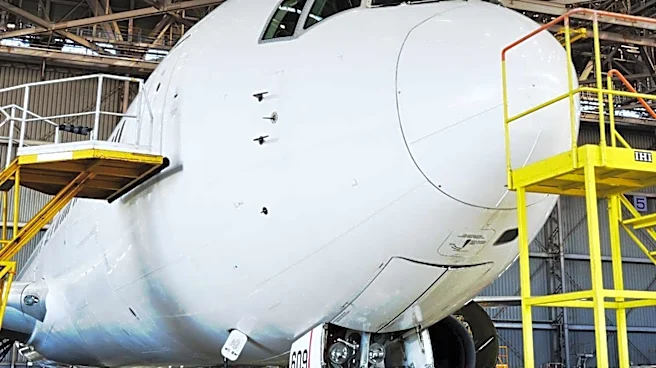
moves up and down unexpectedly during flight. The issue has been traced to wear in the horizontal stabilizer's hinge bearings and jackscrew mechanism, which, if excessive, could lead to a "flutter event" and potential loss of aircraft control. The affected models include the 737-600, -700, -700C, -800, -900, and -900ER, which are widely used in domestic U.S. air travel. The order takes effect on November 23, 2026, coinciding with the busy Thanksgiving travel period. Airlines have 12 months to complete the initial inspections, which are estimated to take about six hours per plane. The FAA rejected airline requests for longer inspection intervals, emphasizing the importance of addressing the potential safety risk.
Why It's Important?
This FAA directive is significant because it addresses a potential safety hazard on a large fleet of aircraft that form the backbone of U.S. domestic air travel. While the FAA has not grounded the planes, the possibility of a "flutter event" leading to loss of control highlights a serious concern. The inspections, though not immediately grounding aircraft, could lead to disruptions if worn parts are found and require replacement, potentially causing delays and cancellations during peak travel seasons. Major U.S. carriers like Southwest, United, American, Delta, and Alaska operate these 737 NG models, meaning a substantial portion of domestic passengers could be affected. The FAA's firm stance against extending inspection timelines underscores its commitment to safety, even in the face of airline operational concerns. This event also serves as a reminder that even well-established aircraft models require continuous monitoring and maintenance to ensure safety.
What's Next?
Airlines operating the affected Boeing 737 Next Generation jets must begin inspections by November 23, 2026, and complete the first round within 12 months. These inspections will be integrated into normal maintenance schedules to minimize immediate disruption. However, if inspections reveal worn parts requiring replacement, affected aircraft will need to be taken out of service for repairs. This could lead to flight delays, aircraft swaps, or cancellations, particularly during busy travel periods like the upcoming holidays, as airlines are already operating with fewer spare planes. Travelers are advised to check their aircraft type, book early morning flights, avoid tight connections, and understand their refund rights in case of cancellations. The FAA will continue to monitor the inspection process and any findings to ensure compliance and address any emerging safety concerns.
Beyond the Headlines
This incident, while distinct from previous 737 MAX issues, contributes to a broader narrative about aircraft maintenance, manufacturing quality, and regulatory oversight in the aviation industry. It highlights the continuous challenge of managing wear and tear on aging fleets and the critical role of regulatory bodies like the FAA in enforcing safety standards. The public's perception of Boeing and air travel safety, already sensitive due to past events, could be further influenced by how this issue is managed. Ethically, the FAA's decision to prioritize safety over airline operational convenience reinforces the principle that passenger safety is paramount. Culturally, such directives can increase public awareness and scrutiny of aircraft maintenance, potentially leading to greater demand for transparency from airlines and manufacturers regarding safety protocols and inspection results. This ongoing vigilance is crucial for maintaining trust in air travel.